 admin
admin Noticing your prized betta fish or graceful goldfish looking unusually bloated, with scales that seem to be protruding like a pinecone, can be a moment of genuine panic for any aquarium hobbyist. This distressing symptom is often a sign of a serious condition known as dropsy. While the sight is alarming, understanding how to treat dropsy in ornamental fish is the first critical step toward potentially saving your aquatic companion. Dropsy itself is not a disease but a clinical indication of internal failure, typically kidney or liver dysfunction, leading to severe fluid retention and swelling. This guide will walk you through a clear, actionable plan to address the swelling and underlying causes, giving your fish the best possible chance at recovery.
Understanding Dropsy: More Than Just Bloat
Before diving into treatment, it's crucial to grasp what you're dealing with. The characteristic "pineconing" of scales occurs because fluid builds up in the fish's body cavity or tissues, a condition called edema. This pressure pushes the scales outward. The root cause is almost always internal, often stemming from bacterial infections (commonly Aeromonas bacteria), parasitic infestations, liver dysfunction, or even prolonged exposure to poor water conditions.
Immediate Action Plan: Isolating and Assessing
The moment you suspect dropsy, time is of the essence. Your immediate actions can influence the outcome significantly.
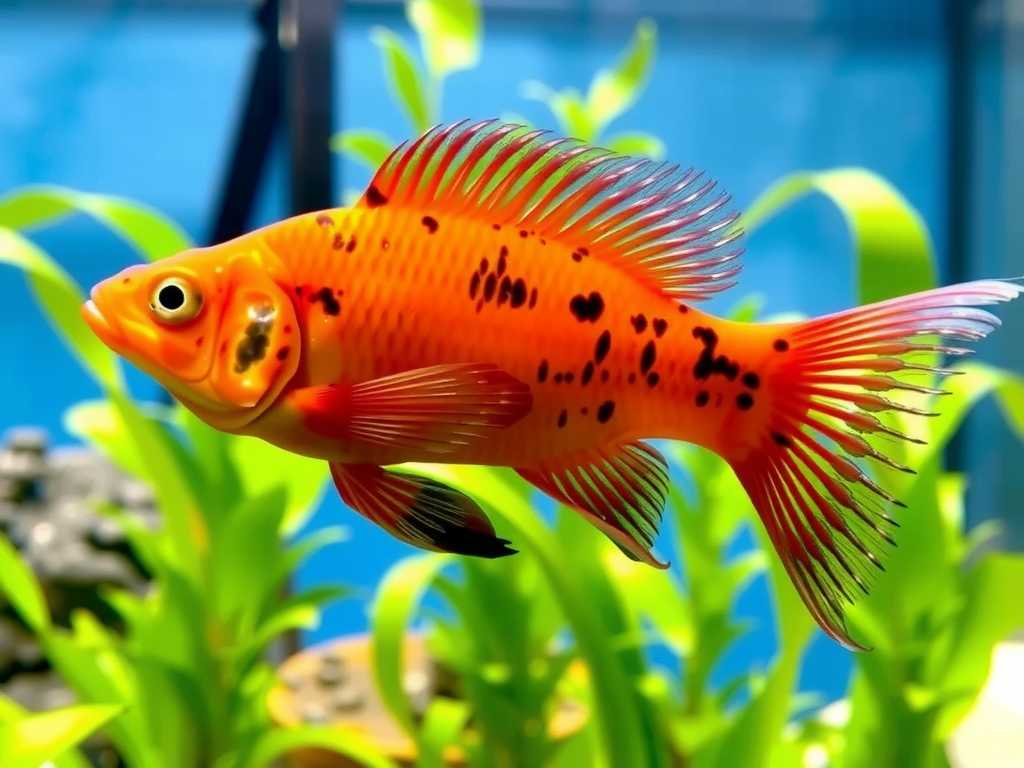
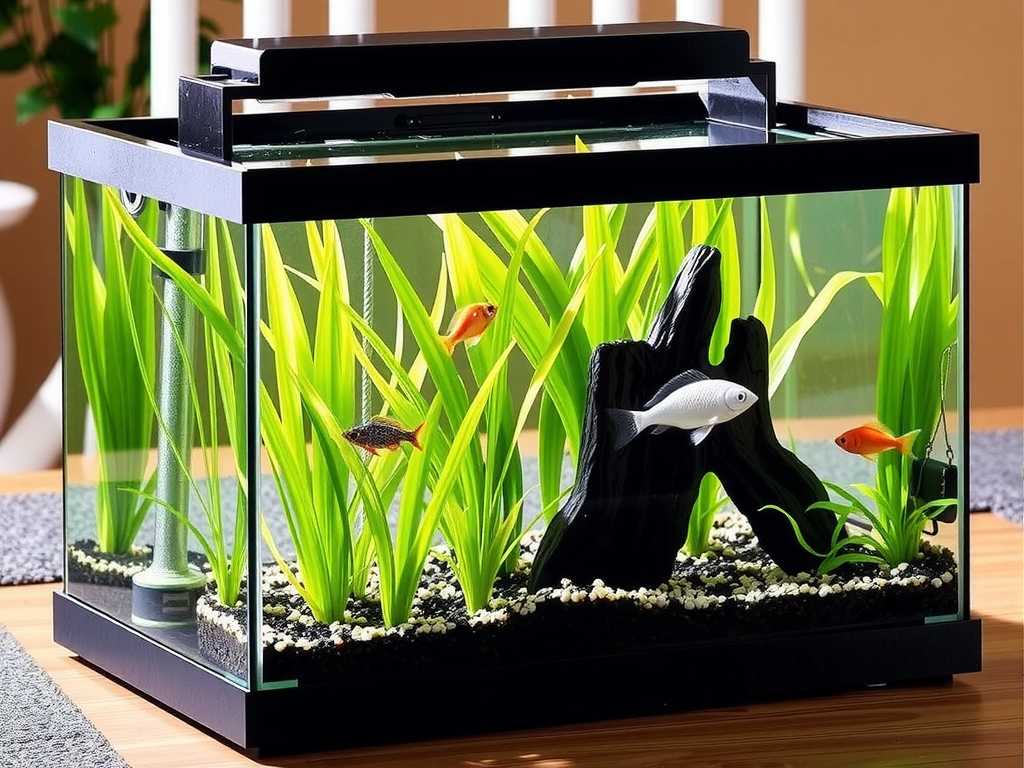
Quarantine the Affected Fish Move the sick fish to a separate, bare-bottom hospital tank immediately. This serves three vital purposes: it prevents the potential spread of pathogenic bacteria to other tank inhabitants, allows for targeted treatment without harming your biological filter or invertebrates, and makes it easier to monitor the fish's waste and condition. The hospital tank should have mature, clean water and a gentle heater set to the appropriate temperature for the species.
Evaluate the Environment Conduct a thorough assessment of your main aquarium's water parameters. Test for ammonia, nitrite, nitrate, pH, and temperature. As noted by aquatic veterinarians, chronic stress from suboptimal water quality is a primary contributor to a fish's weakened immune system, making it susceptible to the infections that cause dropsy. Any detectable ammonia or nitrite is a red flag requiring immediate correction through water changes.
A Step-by-Step Guide to Treatment
Treating dropsy is a multi-front approach aimed at reducing fluid buildup, combating infection, and supporting the fish's vital organs.
Step 1: Supportive Care with Aquarium Salt For freshwater fish, a salt bath can be a gentle first step to aid osmoregulation—the process by which fish balance internal fluids. The salt helps draw excess fluid out of the fish's body through osmosis, thereby reducing swelling in fish. In the hospital tank, dissolve 1 teaspoon of pure, non-iodized aquarium salt per gallon of water. Ensure the salt is fully dissolved before adding the fish. Monitor closely, as some sensitive species may not tolerate salt well.
Step 2: Employing Antibacterial Medications Since bacterial infection is a frequent culprit, a broad-spectrum antibacterial medication is often necessary. Look for treatments containing ingredients like kanamycin, nitrofurazone, or a combination formula designed for gram-negative bacteria. Follow the dosage instructions meticulously, and remember to remove any chemical filtration (like carbon) from the hospital tank's filter during treatment. It's critical to complete the full course of medication even if symptoms appear to improve.
Step 3: Dietary Support and Appetite Stimulation A fish fighting dropsy needs optimal nutrition. If the fish is still eating, offer high-quality, easily digestible foods. Some experts recommend soaking pellets in a small amount of the medication or adding a drop of vitamins. For fish that have stopped eating, the focus must remain on pristine water and medicinal treatment.
Step 4: Maintaining Impeccable Water Quality Throughout treatment, perform small, daily water changes (10-25%) in the hospital tank using properly conditioned water matched in temperature. This removes waste, leftover medication, and toxins, keeping the environment as stress-free as possible for the compromised fish. This consistent care is a non-negotiable part of the process to treat abdominal swelling in aquarium fish.
Prevention: Building a Resilient Aquarium
The best treatment for dropsy is preventing it from occurring in the first place. A holistic care routine builds fish health from the inside out.
Establish a Consistent Maintenance Routine Regular weekly water changes of 20-30% are the cornerstone of preventive care. Vacuum the substrate to remove detritus and uneaten food, which decompose and pollute the water. Consistent testing ensures parameters remain stable, avoiding the shocks that stress fish.
Prioritize Nutrition and Quarantine Feed a varied, high-quality diet in small amounts that fish can consume within two minutes. Overfeeding is a common source of water pollution. Furthermore, always quarantine new fish, plants, or decorations for at least two to four weeks in a separate tank before introducing them to your main display. This simple practice can prevent the introduction of pathogens.
Recognizing Prognosis and Making Difficult Decisions
It is important to approach dropsy treatment with realistic expectations. The prognosis is often guarded, especially if the "pineconing" is pronounced and the fish is lethargic or not eating. The condition indicates advanced internal damage. Your efforts are a compassionate attempt to reverse a serious crisis. If the fish does not respond to treatment within several days, or if its quality of life appears to be suffering without hope of improvement, humane euthanasia may be the kindest option. Consulting with an aquatic veterinarian, if accessible, can provide valuable guidance in this decision.
Can dropsy be cured completely? While success is never guaranteed, a positive outcome is possible if the condition is caught in its very early stages, before significant scale protrusion occurs, and if the underlying cause is treatable. Aggressive and immediate treatment offers the only chance.
Is dropsy contagious to other fish? The swelling itself is not contagious. However, the underlying bacterial infection that may have caused it can potentially spread to other fish, especially if they are stressed or immunocompromised. This is why immediate quarantine is so strongly advised.
What is the main cause of dropsy in fish? There is rarely a single cause. It is typically a "perfect storm" where a fish, already weakened by chronic stress from poor water quality, inadequate nutrition, or aggression, succumbs to a ubiquitous bacterial infection that its immune system can no longer contain. The infection then leads to organ failure and fluid retention.
Addressing dropsy requires swift, informed action and a commitment to both treatment and prevention. By isolating the fish, administering appropriate medications, and providing pristine water, you tackle both the symptoms and potential root causes. Remember, a stable, clean aquarium coupled with attentive observation is your most powerful tool in safeguarding the health of your ornamental fish and preventing such severe health crises from developing.

发表评论