 admin
admin How to Choose Decor for Saltwater Ornamental Fish Tanks: Safe Hides
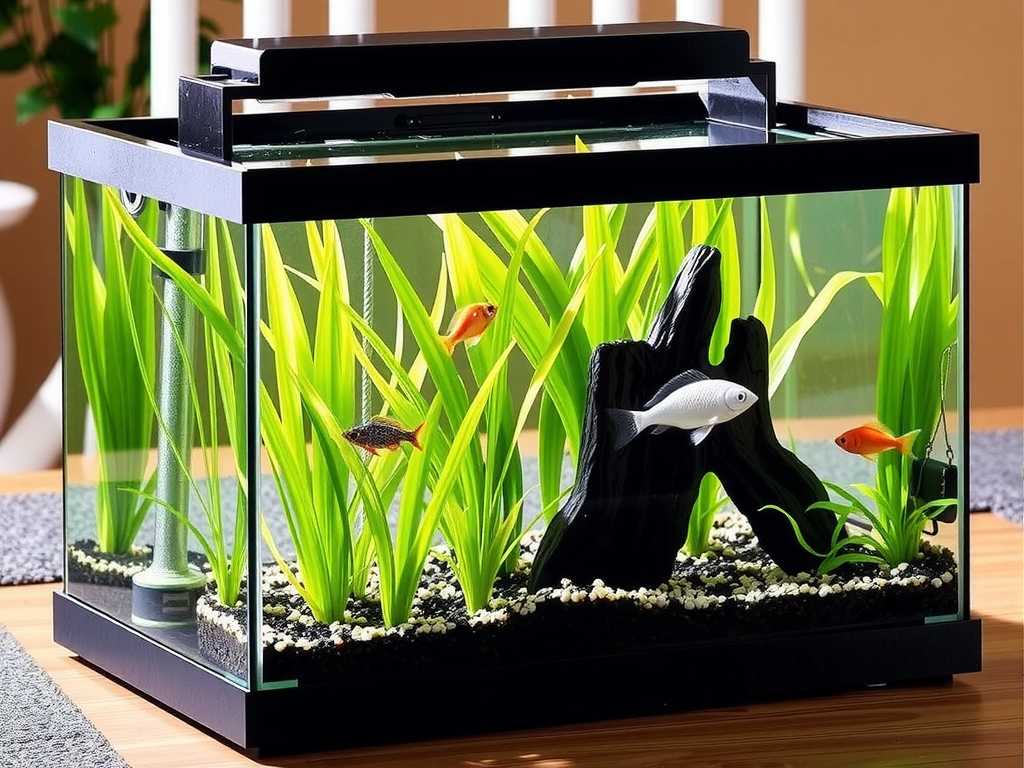
Choosing the right decor for your saltwater aquarium is about so much more than just aesthetics. It’s a critical decision that directly impacts the health, safety, and happiness of your ornamental fish. Many aquarists, especially those new to the marine hobby, face the challenge of selecting decorations that look stunning but might secretly harbor dangers—from leaching toxins to trapping or injuring their prized fish. The core of creating a thriving underwater world lies in understanding how to choose decor for saltwater ornamental fish tanks that prioritizes safe hides and a natural environment.
This guide will walk you through the essential principles, materials, and placement strategies to ensure your tank is both beautiful and a secure sanctuary for its inhabitants.
Understanding the Purpose of Aquarium Decor
Decor in a saltwater tank serves multiple vital functions beyond visual appeal. Primarily, it provides essential hiding places. Fish, even the most seemingly confident species, require secure spots to retreat to when they feel stressed, threatened, or simply need to rest. A lack of adequate hiding spaces can lead to chronic stress, which weakens immune systems and makes fish prone to disease.
Furthermore, decor structures the environment. It can create territorial boundaries, reducing aggression among tank mates. For many species, surfaces like live rock are crucial for grazing and foraging, mimicking their natural behavior. The right decor also plays a role in water flow dynamics and can be integral to your tank’s biological filtration system.
The Gold Standard: Live Rock as the Ultimate Safe Hide
When discussing safe hides for marine fish, live rock stands unparalleled. It is not merely a decoration but the cornerstone of a natural marine ecosystem. Live rock is porous rock harvested from ocean reefs or cultivated, teeming with beneficial bacteria, micro-organisms, and sometimes corals and algae.
Its primary safety advantage is its biological function. The vast surface area hosts nitrifying bacteria that process harmful ammonia and nitrites, making your water safer. From a hiding perspective, its natural, complex structure creates an infinite network of caves, tunnels, and overhangs that fish can navigate safely. The surfaces are naturally smooth and weathered by the ocean, posing no risk of sharp edges. When selecting live rock, choose pieces with stable structures and a variety of sizes to build a secure and interesting aquascape.
Evaluating Artificial Decor: Materials and Safety
While live rock is ideal, many aquarists incorporate artificial decorations for specific themes or purposes. Safety here is paramount and hinges on material choice.
Safe Materials:
- Resin-based Decor: High-quality, aquarium-safe resin ornaments are generally non-toxic and inert. They are often designed to replicate natural structures with careful attention to smooth surfaces.
- Ceramic: Specially glazed and fired ceramic caves and tubes are excellent, providing durable and stable hides. They are completely inert and often used in breeding tanks.
- Aquarium-Safe Plastics: Look for decorations explicitly labeled for saltwater use. These should be free of metallic paints or coatings.
Materials to Avoid:
- Metals: Any decoration containing metal (unless specifically designed for aquaria, like stainless steel) is a severe hazard. Metals will corrode in saltwater, releasing toxic ions that can poison your entire tank.
- Unknown Plastics or Paints: Decorative items not intended for aquarium use, like novelty toys or certain garden ornaments, can leach softeners (phthalates) or toxic paints into the water.
- Sharp or Rough Edges: Always run your hand over any artificial decor. If it feels sharp to you, it can easily tear a fish’s delicate scales or fins.
A 2021 industry report on aquarium husbandry emphasized that "material inertness is the first checkpoint for any non-living addition to a closed aquatic system, directly correlating with long-term livestock viability."
Key Principles for Selecting and Placing Decor
Following these core principles will help you create a secure environment.
1. Stability is Non-Negotiable Every piece of decor must be firmly placed to prevent toppling. Marine fish are powerful swimmers, and burrowing species like some gobies can undermine unstable structures. Secure your rockwork using aquarium-safe epoxy or mechanical stacking techniques on the tank’s bottom glass, not on the substrate, to prevent collapses.
2. Create Through-Spaces, Not Dead-Ends A safe hiding spot for ornamental fish is one they can enter and exit easily, especially if chased. Avoid decorations with single, small entrances that can trap a fish. Caves and tunnels should ideally have a second opening or be large enough for the fish to turn around comfortably. This prevents them from becoming cornered by tank mates.
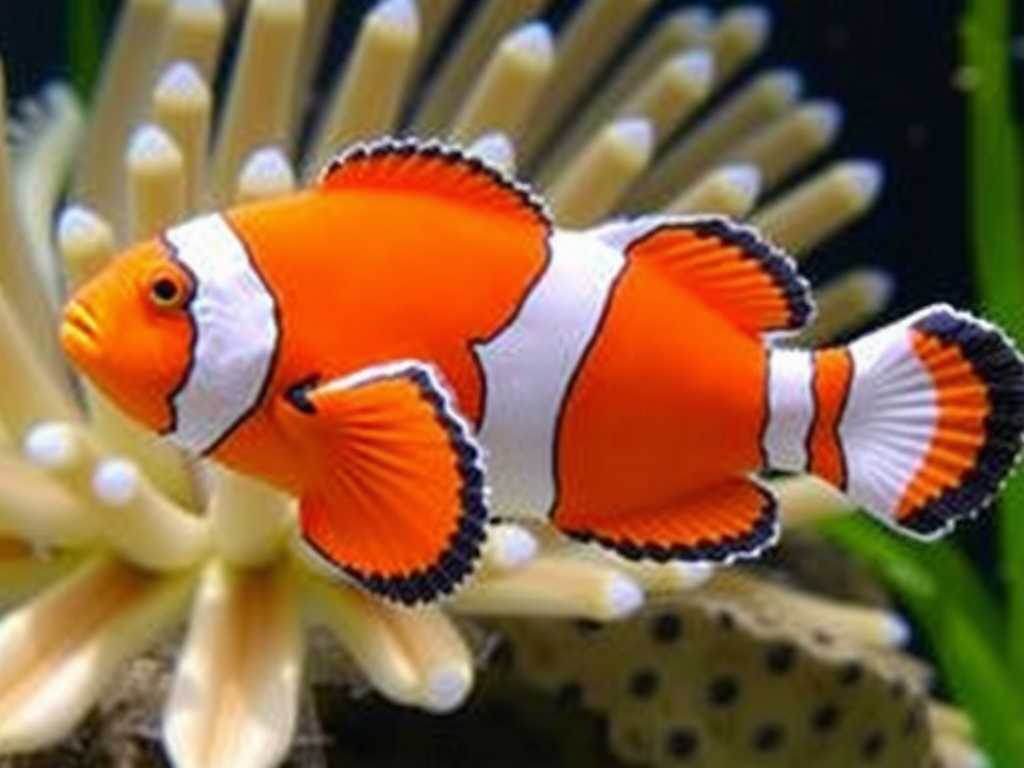
3. Size Appropriately for Your Livestock Consider the full adult size of your fish. A hide that is perfect for a small clownfish today may become a dangerous trap as it grows. Similarly, ensure openings are not so small that fish can get stuck. Also, leave ample open swimming space. Over-decorating can impede water flow and stress fish that require room to roam.
4. Prioritize Smooth Surfaces As mentioned, meticulously check for and sand down any sharp edges, seams, or points. This is crucial for protecting fish with delicate membranes, like lionfish, or fast-moving species that might dart into a hide.
5. Complement, Don’t Compete, with Water Quality Any new decor, especially artificial, should be thoroughly rinsed in freshwater before introduction. For porous materials, some aquarists recommend a prolonged soaking and water change routine to ensure no residual manufacturing chemicals leach out. Your decor should never compromise your water parameters.
Aquascaping for Safety and Well-being
Aquascaping is the art of arranging your decor. A well-planned layout reduces stress and aggression. Place larger, primary hiding structures towards the sides and back of the tank. This gives fish secure retreats while preserving viewing areas. Create visual barriers with rockwork to break up sightlines, which helps shy fish feel secure and minimizes territorial disputes.
Consider the natural behavior of your specific fish. Basslets and dottybacks appreciate high, cave-like overhangs. Blennies and gobies need smaller holes and crevices near the substrate. Providing a variety of secure aquarium decorations for different species within the same tank promotes a harmonious community.
Marine aquarist and author Terry Siegel often notes, "The most successful marine tanks are those where the keeper has thoughtfully provided an environment that meets the psychological needs of the inhabitants, not just their physiological ones. Hiding places are as essential as clean water."
Maintenance of Tank Decor
Safety is an ongoing commitment. Regularly inspect your decor during maintenance. Look for:
- The buildup of detritus or uneaten food in crevices, which can decay and harm water quality. Use a turkey baster to blast debris out during water changes.
- Signs of wear, damage, or algae growth that might change the surface texture or stability of the decor.
- Any shift in the rockwork that could create an unstable pile.
Cleaning should involve only tank water or fresh water. Never use soaps, detergents, or chemical cleaners, as their residues are deadly to fish.
Frequently Asked Questions
Can I use coral skeletons or seashells I collected from the beach as decor? It is strongly discouraged. Beach-collected items can introduce pollutants, pathogens, and organic matter that will decay in your tank. They can also alter pH and calcium hardness unpredictably. Only use dried, aquarium-sourced coral skeletons or shells that have been properly cured.
How much hiding space is enough? A good rule of thumb is to provide at least one distinct hiding place per fish, plus a few extra. For more territorial or shy species, even more may be necessary. Observe your fish’s behavior; if they are constantly out in the open and seem skittish, or if they are always hiding and never come out to eat, you may need to adjust the number or placement of your hides.
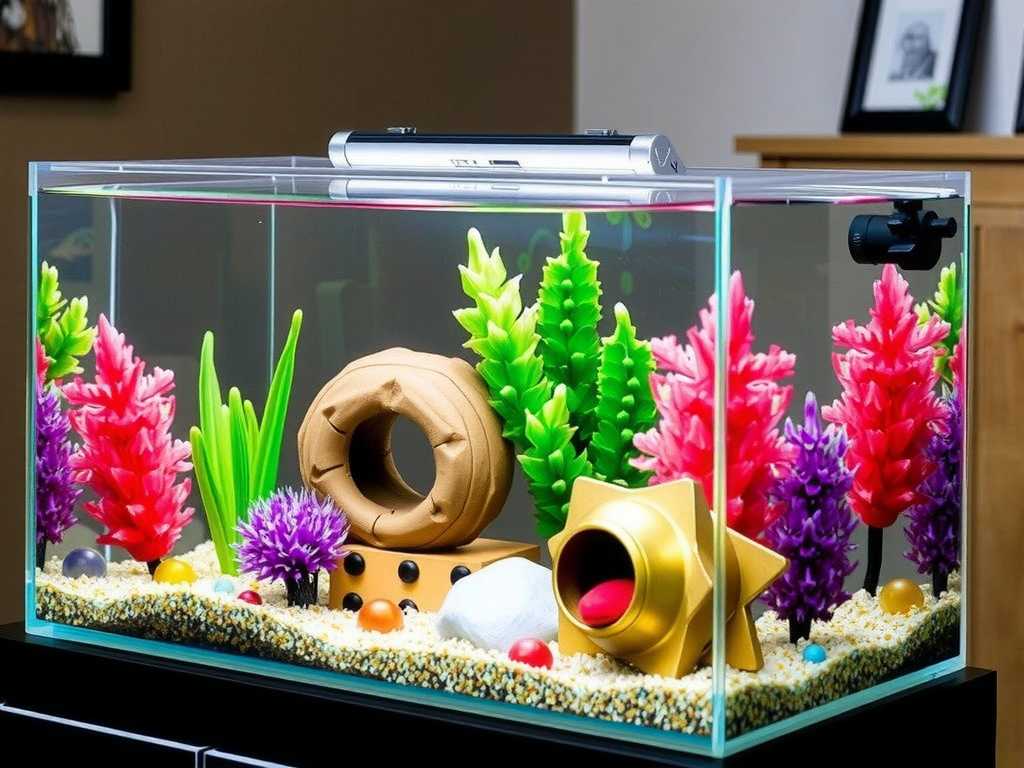
Are colorful plastic plants safe for a saltwater tank? If they are labeled as aquarium-safe for saltwater use, they are generally chemically inert. However, they offer little biological benefit and can sometimes have sharp plastic edges. They may also look unnatural. For a marine tank, focusing on live rock and perhaps macroalgae is often a more beneficial and safer approach for creating a natural-looking environment.
Creating a beautiful saltwater aquarium is a rewarding endeavor, and the foundation of that beauty is the safety it provides. By choosing inert, stable materials, prioritizing natural structures like live rock, and thoughtfully arranging your decor to meet the behavioral needs of your fish, you build more than just a tank—you create a resilient, thriving ecosystem. Remember, the wellbeing of your ornamental fish begins with the environment you carefully construct for them.
发表评论