 admin
admin How to Spot Overcrowding in Ornamental Fish Care: A Complete Guide for Aquarists
You’ve carefully chosen your fish, decorated your tank, and committed to a regular maintenance routine. Yet, despite your best efforts, your aquarium doesn’t seem to thrive. Fish may appear stressed, algae blooms are constant, or illnesses seem to spread too easily. Often, the root cause of these persistent issues isn’t water quality or diet in isolation—it’s a problem many aquarists unintentionally create: overcrowding. Learning how to spot overcrowding in ornamental fish care is the first critical step toward creating a healthy, stable, and vibrant aquatic ecosystem. An overcrowded tank is a ticking time bomb for stress, disease, and poor water quality. This guide will equip you with the practical knowledge to accurately assess your tank’s population and take corrective action.
Understanding the True Cost of an Overcrowded Aquarium
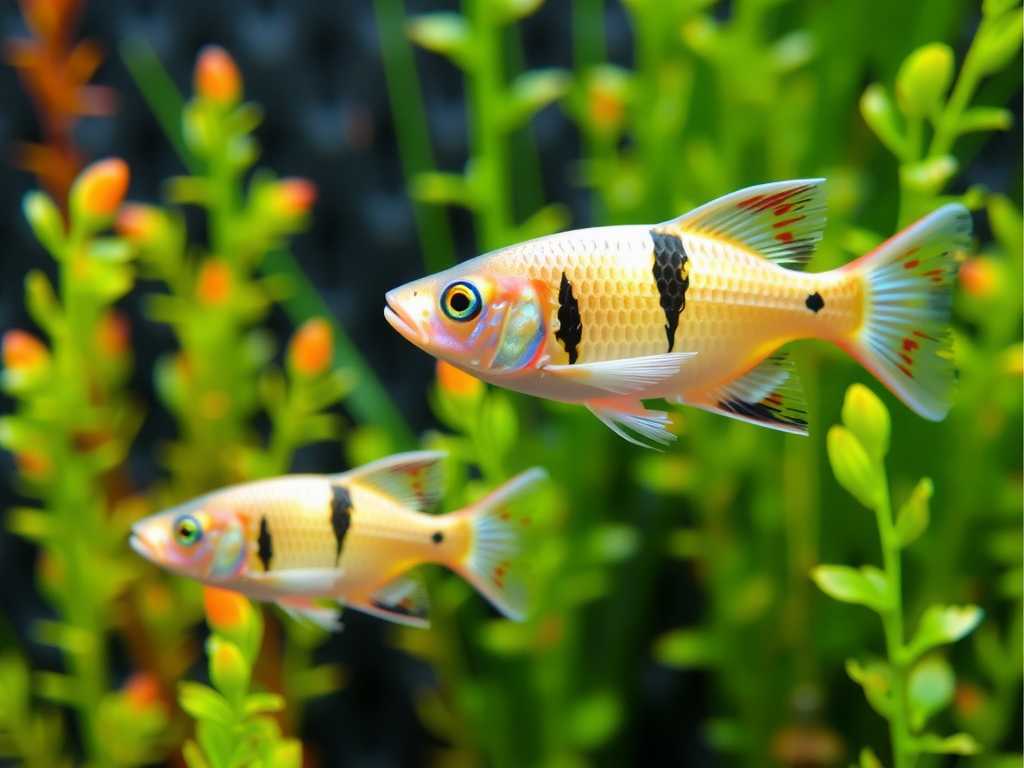
An overcrowded tank isn't just about too many fish in a small space. It’s a systemic failure that stresses the entire closed environment. The primary issue is bioload—the total amount of waste produced by all living inhabitants (fish, snails, shrimp). In a balanced tank, beneficial bacteria and filtration manage this waste, converting toxic ammonia into less harmful nitrates. Overcrowding overwhelms this biological filtration system. The consequences are severe and interconnected: ammonia and nitrite spikes, chronic stress that suppresses fish immune systems, aggressive competition for food and territory, and dangerously low oxygen levels, especially at night. Recognizing these signs early can save you from catastrophic fish loss.
Key Physical and Behavioral Signs Your Tank is Overcrowded
Your fish and the tank itself will tell you clearly when limits are being pushed. Observant aquarists can spot these red flags.
Persistent Poor Water Quality Despite Regular Maintenance If you’re performing weekly water changes but tests still show elevated ammonia (>0 ppm), nitrite (>0 ppm), or consistently high nitrate (e.g., above 40-50 ppm before a change), your filtration is likely overwhelmed. Cloudy water that isn’t a bacterial bloom can indicate excessive dissolved waste. As noted by aquatic veterinarian Dr. Jessie Sanders, "Chronic, low-level exposure to elevated nitrates is a significant but often overlooked stressor in home aquariums, directly linked to overcrowding."
Unusual Fish Behavior and Stress Indicators Fish are not decorative items; their behavior is a direct report card on their environment. In cramped conditions, you may observe constant chasing, nipping, or hiding as fish compete for space. Some fish may claim a single corner and aggressively defend it. Alternatively, you might see listlessness, loss of color, or fish gasping at the water’s surface—a sign of low oxygen or gill irritation from poor water. A lack of natural, confident swimming is a major clue.
Stunted Growth and Increased Disease Frequency In an overcrowded tank, resources are scarce. Dominant fish may get enough food, but others can suffer from malnutrition, leading to stunted growth—where their bodies stop growing but their organs do not, causing health problems. More critically, chronic stress from crowding weakens immune systems. A single case of ich can quickly become a tank-wide epidemic, and fungal or bacterial infections will be more common and harder to treat. The environment itself promotes sickness.
The Overcrowding "Rule of Thumb" and Its Limitations
Many beginners rely on the classic "one inch of fish per gallon of water" rule. While a starting point, this guideline is deeply flawed. It doesn’t account for fish shape, waste production, or activity level. A 10-inch Oscar produces vastly more waste than ten 1-inch neon tetras. Similarly, a slender zebra danio and a deep-bodied angelfish of the same length have different spatial needs.
A more modern approach considers adult fish size, territorial needs, and swimming habits. Always research the specific requirements of each species. A fish that grows to 6 inches and is highly active needs a much larger tank than a sedentary bottom-dweller of the same size. Failing to plan for the adult size of your fish is a common path to accidental overcrowding.
Practical Steps to Assess and Fix an Overcrowded Tank
If you recognize the signs, don’t panic. A systematic approach will restore balance.
Conduct a Thorough Tank Audit Start by identifying every single inhabitant. Note each species' current size and its expected adult size. Research their temperament (peaceful, semi-aggressive, schooling) and preferred tank level (top, mid, bottom). Use a reputable online aquarium stocking calculator as a second opinion—these tools factor in filtration capacity and are more advanced than the inch-per-gallon rule. Compare your tank’s volume and filtration to the total bioload and spatial needs of your fully-grown fish.
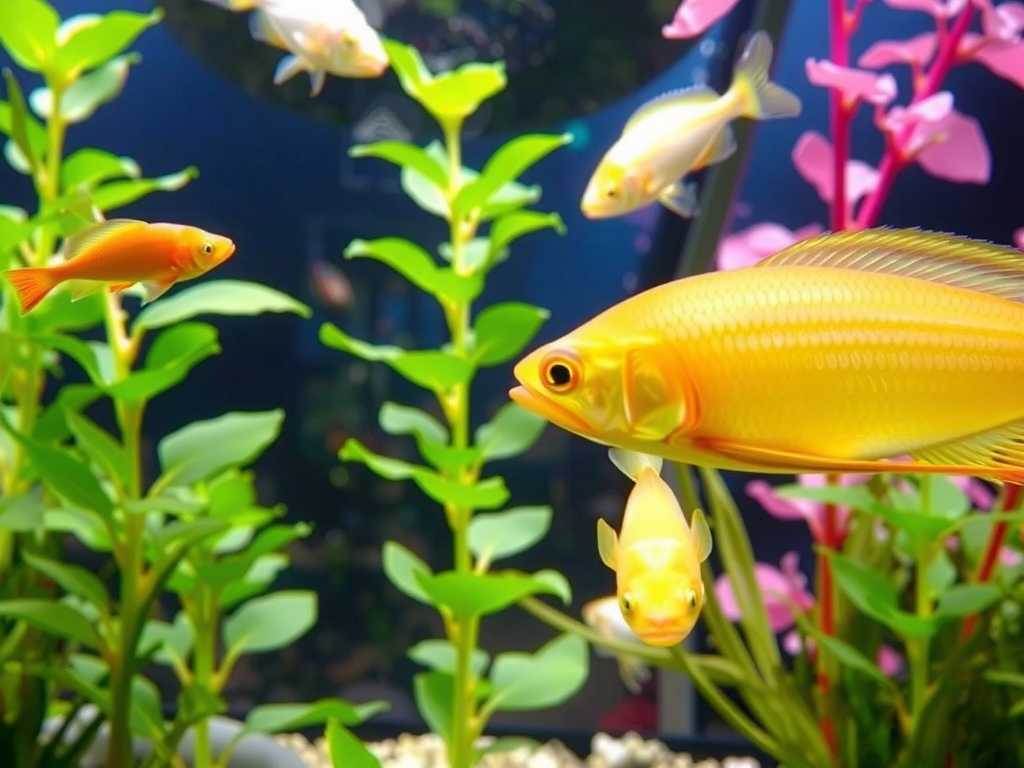
Improve the Situation: Upgrade, Rehome, or Enhance You have three main options. The ideal solution is to upgrade to a larger aquarium, which dilutes waste and provides more territory. If that’s not possible, consider rehoming some fish. Contact local fish clubs, stores, or other hobbyists. The third option is to significantly enhance your current setup: increase filtration capacity by adding a second filter or upgrading to a more powerful model, commit to more frequent and larger partial water changes (e.g., 25-30% twice a week), and ensure optimal surface agitation for gas exchange. While these measures manage symptoms, they don't solve the fundamental space issue.
Prevent Future Overcrowding with Smart Stocking Prevention is key. Adopt a "slow and low" stocking philosophy. Always start with a small group of the hardiest fish to establish the nitrogen cycle. Add new fish very gradually, waiting several weeks between additions to allow bacterial colonies to adjust. Prioritize fish that are compatible in temperament and environmental needs. Choose species whose full-grown size is appropriate for your tank from the start. A well-planned, understocked tank is always more stable and healthy than a maximally stocked one.
Frequently Asked Questions
Can a powerful filter fix an overcrowded tank? A superior filter is crucial for managing high bioload, but it cannot compensate for a lack of physical swimming space or territorial aggression. It addresses water quality but not the psychological stress caused by insufficient room. Think of a filter as a waste management system, not a space creator.
How do I handle baby fish (fry) to avoid sudden overcrowding? A sudden population boom is a common trigger. Have a plan before breeding occurs. Options include setting up a separate grow-out tank, using a breeding box within the main tank, trading fry to a local fish store, or, for some species, allowing natural predation to control numbers if it is ecologically appropriate for the tank's inhabitants.
My fish seem fine now. Should I still be concerned about future overcrowding? Yes. Many problems from overcrowding are cumulative and chronic, not immediate. Stunting, organ damage, and long-term immune suppression can occur long before a sudden ammonia spike causes obvious crisis. Proactively ensuring adequate space is a cornerstone of responsible, long-term ornamental fish care.
Creating a beautiful aquarium is a rewarding endeavor, but its success hinges on respecting the biological needs of its inhabitants. Overcrowding is a silent stressor that undermines every aspect of fish health. By learning to spot the signs—from subtle behavioral shifts to persistent water parameter issues—you move from simply keeping fish to truly understanding their ecosystem. A thoughtfully stocked tank, with ample space for each resident to exhibit natural behaviors, is the foundation for a thriving aquatic display that will bring enjoyment for years to come. Start by looking closely at your tank today; your fish will thank you for it.
发表评论