 admin
admin How to Spot Nutrient Deficiencies in Ornamental Fish Care: A Proactive Guide
You’ve created a beautiful underwater world. The water is crystal clear, the plants are lush, and your fish are active. Yet, something seems off. A once-vibrant fish is losing its color. Fins that should be flowing appear frayed. Growth seems stunted. Often, the culprit isn’t a dramatic disease outbreak but a silent, creeping issue: nutrient deficiencies. Spotting these subtle signs early is the hallmark of advanced ornamental fish care, preventing long-term health problems and ensuring your aquatic pets truly thrive.
Understanding the signs of malnutrition goes beyond simply feeding your fish; it's about providing a complete, balanced diet tailored to their specific biological needs. This guide will equip you with the knowledge to become a detective in your own aquarium, learning how to identify common deficiencies and, more importantly, how to correct them for a vibrant, healthy tank.
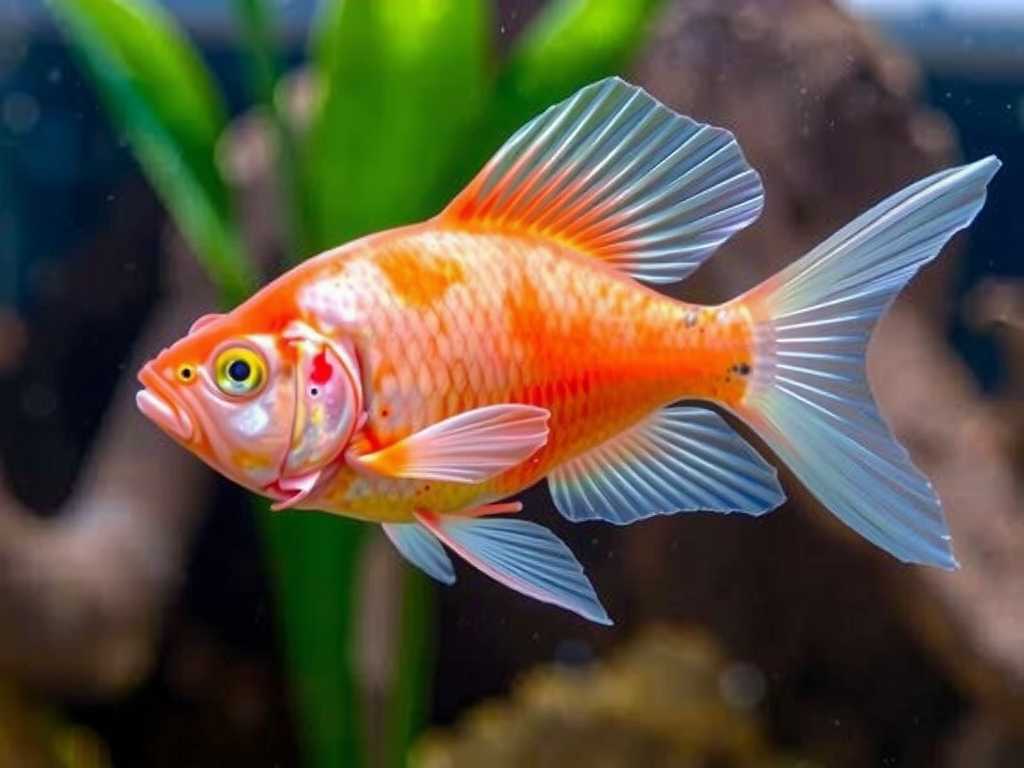
The Foundation: Why Nutrition Matters in Aquariums
In the wild, fish have access to a vast and varied menu. In our closed aquarium systems, they are entirely dependent on what we provide. A diet limited to one type of flake or pellet, no matter how high-quality, can lead to gaps in nutrition over time. Vitamins degrade, minerals may be lacking, and the specific needs of herbivores, carnivores, and omnivores differ vastly. Recognizing deficiency symptoms is your first line of defense.
A Visual Checklist: Common Symptoms of Nutrient Deficiencies
Learning to spot nutrient deficiencies in fish involves careful observation. Symptoms often develop slowly and can be mistaken for other ailments like parasitic infections or poor water quality. Always rule out water parameter issues first, as they are the most common cause of stress. Once water quality is confirmed as optimal, consider these physical and behavioral clues.
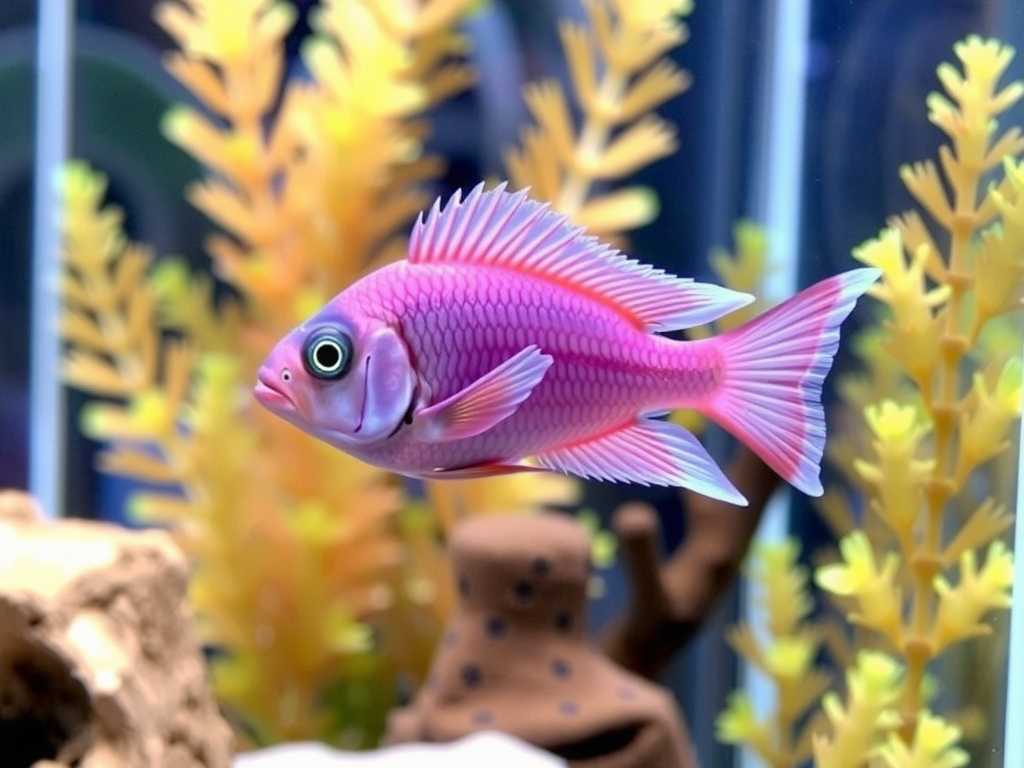
Loss of Color and Vibrancy One of the earliest and most noticeable signs is a fading or washing out of natural color. This isn't the temporary color shift seen during sleep or stress, but a persistent dullness.
- Possible Culprits: Often linked to a lack of essential vitamins (like Vitamins A and C) and carotenoids. Astaxanthin and other carotenoids, found in ingredients like spirulina, krill, and shrimp, are crucial for enhancing reds, oranges, and yellows. A general lack of these nutrients leads to a overall pale appearance.
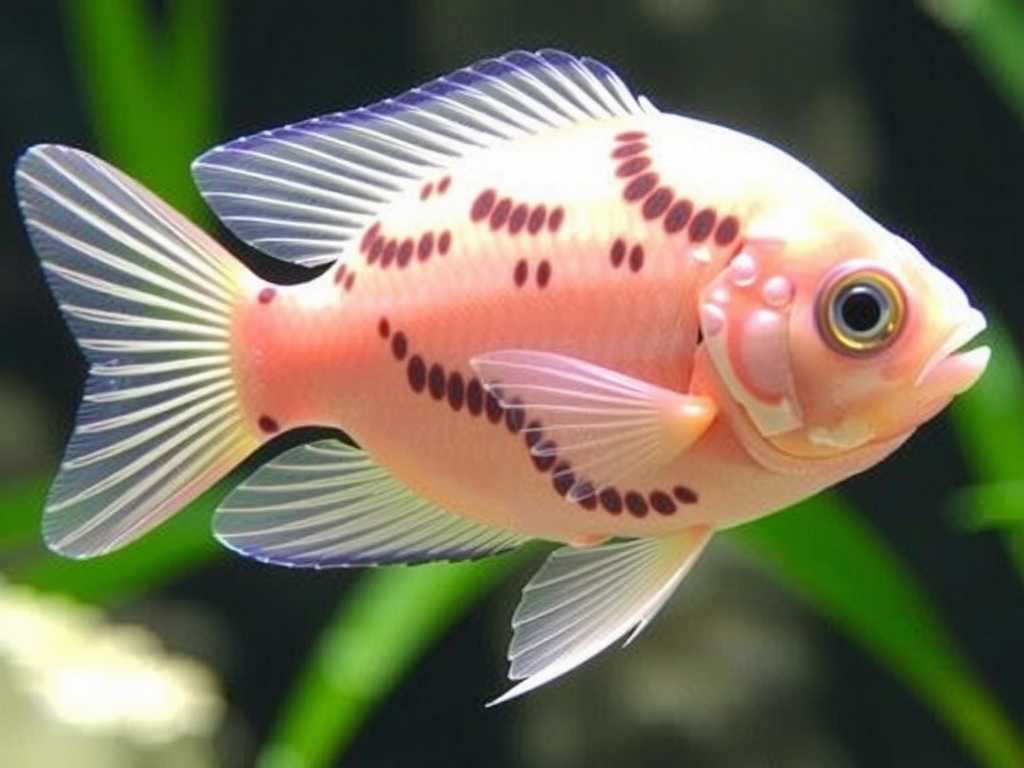
Fin and Tail Erosion While fin rot is frequently bacterial, a chronic deterioration of fin edges that doesn't respond well to typical treatments can indicate a nutritional problem. Fins may appear ragged, short, or like they are slowly dissolving.
- Possible Culprits: Chronic Vitamin C deficiency is a primary suspect. Vitamin C (ascorbic acid) is vital for collagen synthesis, which is essential for healthy tissue, skin, and fins. It is also a powerful antioxidant that supports the immune system. As noted by aquatic veterinarians, many commercial foods lose their Vitamin C potency quickly after opening if not stored properly.
Poor Growth or Spinal Deformities In growing juvenile fish, a diet deficient in key building blocks will result in stunted growth. More severe deficiencies can lead to visible deformities, such as curved spines (scoliosis) or misshapen jaws.
- Possible Culprits: This strongly points to a severe imbalance in calcium, phosphorus, and Vitamin D3. The calcium-to-phosphorus ratio is critical for proper bone development. A lack of essential amino acids (the building blocks of protein) from poor-quality protein sources can also stunt growth.
Eye Issues: Cloudiness or Pop-Eye Cloudy eyes (corneal opacity) or a condition where the eyes appear to bulge from the sockets (exophthalmia or "pop-eye") can have several causes, including infection. However, a nutritional origin should be considered, especially if it appears in multiple fish without other disease signs.
- Possible Culprits: Linked to deficiencies in Vitamin A, which is essential for maintaining healthy epithelial tissues, including those in the eyes. A study on fish nutrition in aquaculture highlighted that hypovitaminosis A consistently leads to eye lesions and swelling.
Lethargy and Lack of Appetite A fish that is listless, hides constantly, and shows little interest in food may be suffering from a systemic issue. While this is a non-specific symptom, combined with any of the physical signs above, it reinforces a potential nutritional cause.
- Possible Culprits: A broad range of deficiencies can cause this, including general malnutrition, lack of B vitamins (which are crucial for metabolism and energy), or internal issues stemming from poor diet.
Targeting Specific Deficiencies: From Symptom to Solution
Spotting the problem is only half the battle. Correcting it requires strategic action. Here’s how to address common gaps in ornamental fish nutrition.
Addressing Vitamin Shortfalls Vitamins are co-factors for countless biological processes. They are fragile and can be destroyed by heat, light, and long storage.
- Solution: Diversify the diet immediately. Incorporate high-quality frozen or live foods like brine shrimp, daphnia, and bloodworms, which are naturally rich in vitamins. Soaking dry foods in a liquid vitamin supplement before feeding can provide a direct boost. Store all food in a cool, dark, and dry place, and buy in quantities you can use within 2-3 months.
Balancing Minerals for Structure and Function Minerals like calcium, magnesium, and iodine are vital for osmoregulation, nerve function, and skeletal health.
- Solution: For freshwater fish, ensuring adequate mineral content (General Hardness - GH) in your water is foundational. For herbivorous and snail-eating fish, offering blanched spinach, zucchini, or specialized mineral-rich grazing stones can help. For marine fish, maintaining proper alkalinity and calcium levels is non-negotiable for coral and invertebrate health, but also benefits fish.
The Power of Variety and High-Quality Sources The single most effective strategy to prevent deficiencies is variety. No one food is perfect.
- Solution: Implement a rotating feeding schedule. Use a premium staple pellet or flake as a base, but supplement it regularly with frozen foods, live foods (for stimulation), and even appropriately prepared fresh vegetables for herbivores. Look for foods where whole proteins (like "whole herring" or "krill meal") are listed as the first ingredients, not grain fillers or vague "fish meal."
Creating a Nutrition-First Care Routine
Prevention is always simpler than cure. Build these habits into your regular aquarium maintenance:
- Feed a Rotating Menu: Plan weekly meals for your fish just as you might for yourself.
- Store Food Intelligently: Use airtight containers, perhaps with a desiccant pack, and refrigerate opened containers of gel or fresh foods.
- Observe During Feeding: This is your daily health check. Note who is eating eagerly and who is not. Watch for physical changes.
- Research Species-Specific Needs: A pleco’s diet is fundamentally different from a discus’s. Tailor your approach.
Frequently Asked Questions
Can nutrient deficiencies kill my fish? Yes, but usually indirectly and over time. Severe malnutrition weakens the immune system, making fish extremely susceptible to opportunistic infections, parasites, and other diseases they would normally resist. Chronic organ failure can also result from prolonged deficiencies.
How long does it take to correct a deficiency after improving the diet? You may see behavioral improvements, like increased activity and appetite, within a week. However, repairing physical damage like fin erosion, restoring full color, or correcting growth issues in juveniles is a slower process, often taking several weeks to months of consistent, high-quality nutrition. Patience is key.
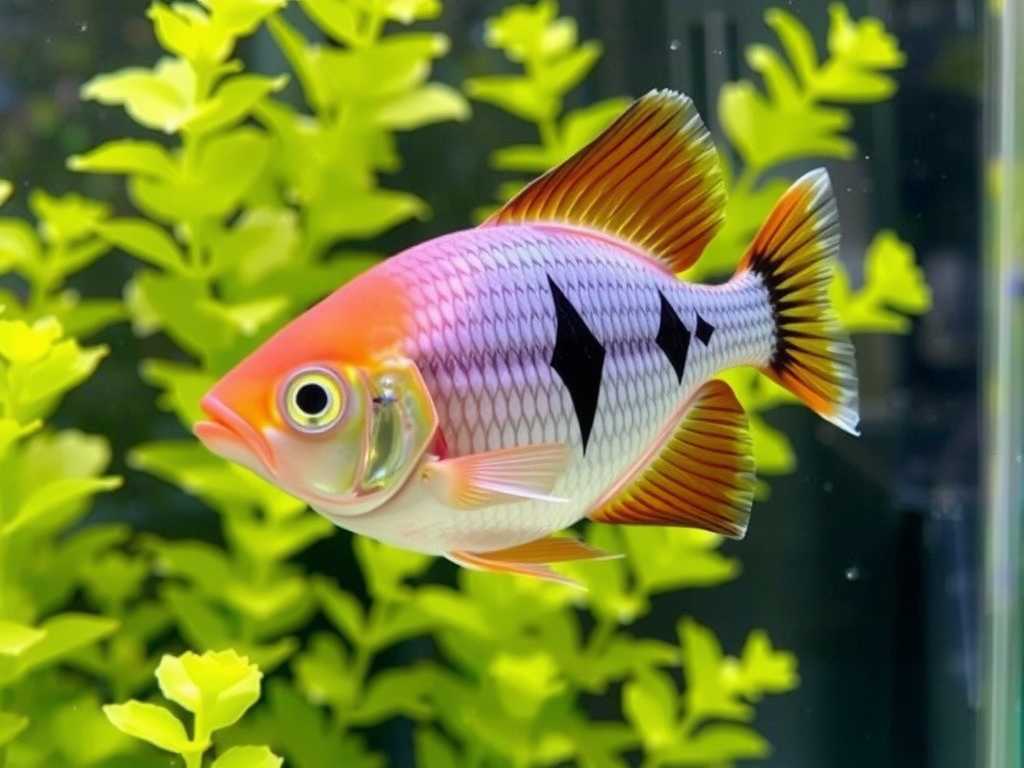
Are "color-enhancing" foods a good solution for pale fish? They can be a useful tool, but not a cure-all. These foods are typically rich in natural carotenoids. They are excellent for enhancing existing color but will not solve deficiencies caused by a lack of vitamins, protein, or minerals. They should be part of a varied diet, not the sole component.
Mastering the skill of identifying nutritional gaps transforms your approach to fish keeping from reactive to proactive. By moving beyond simply feeding to understanding the why behind your choices, you empower yourself to foster not just survival, but vibrant health and natural behavior. Your aquarium’s beauty is a direct reflection of the unseen world of nutrition happening beneath the surface. Consistent observation, a commitment to dietary variety, and informed action are the pillars that will keep your ornamental fish shining at their brightest for years to come.
发表评论