 admin
admin How to Fix Low Salinity in Saltwater Ornamental Fish Care: A Step-by-Step Guide
You’ve invested time, money, and passion into your saltwater aquarium, creating a vibrant slice of the ocean in your home. But suddenly, your fish seem listless, your corals are closed up, and you notice your clownfish gasping near the water surface. The culprit? Often, it’s an imbalance in the most fundamental parameter of a marine tank: salinity. Fixing low salinity is not just about adding salt; it’s a critical process that, if done incorrectly, can shock and harm your delicate aquatic life. This guide will walk you through the precise, safe methods to correct low salinity levels and restore a stable, thriving environment for your ornamental fish and invertebrates.
Understanding Salinity and Its Importance
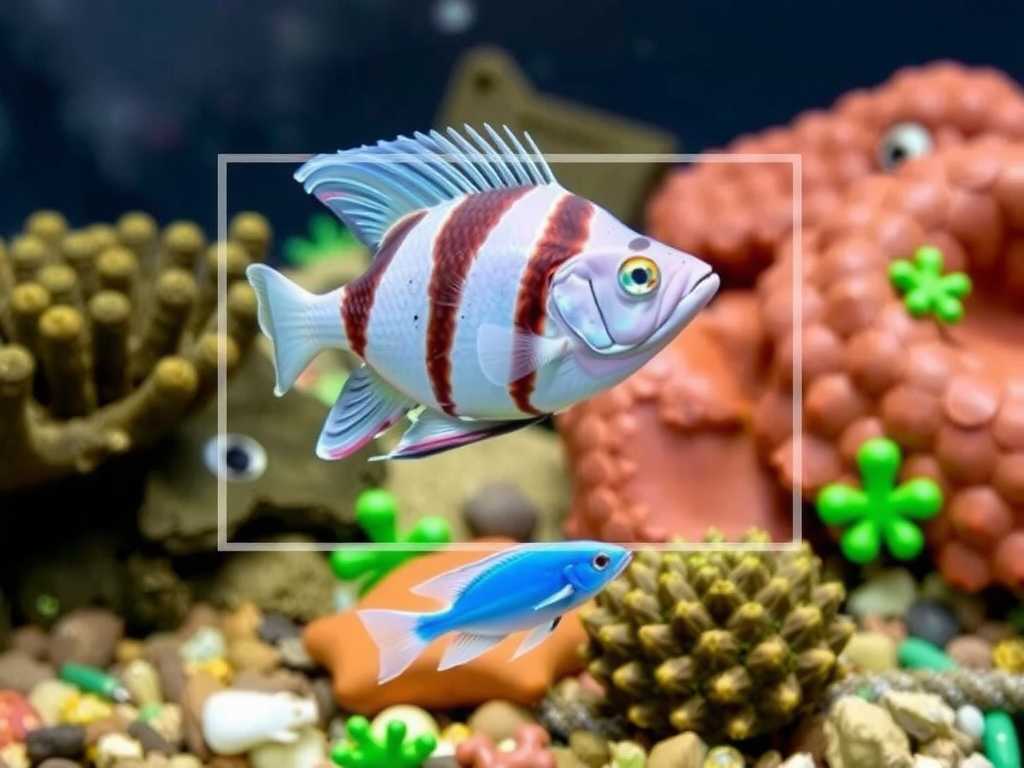
Salinity refers to the total concentration of all dissolved salts in your aquarium water, typically measured in parts per thousand (ppt) or specific gravity (S.G.). For a reef tank housing both fish and corals, the ideal range is 1.024 to 1.026 specific gravity, or 32 to 35 ppt. This level closely mimics natural seawater. Maintaining stable salinity is non-negotiable for several reasons. It directly impacts osmoregulation—the process by which fish and invertebrates control their internal water and salt balance. In low salinity, water floods into their bodies, forcing their organs to work overtime to expel the excess, leading to severe stress, weakened immunity, and potentially fatal organ failure.
Step 1: Accurate Diagnosis and Assessment
Before you take any action, you must confirm the problem with precision. Guessing can lead to disastrous over-corrections.
- Use a Reliable Tool: Never rely on floating hydrometers alone, as they are prone to inaccuracy from bubbles and residue. Invest in a high-quality refractometer, calibrated before each use with RO/DI water or a calibration solution. Digital salinity meters offer another excellent, though more expensive, option.
- Test and Record: Measure your tank’s salinity. If it reads below 1.023 S.G., you have a confirmed case of low salinity. Also, test for other parameters like pH, alkalinity, and temperature, as salinity fluctuations can affect them.
- Identify the Root Cause: Simply adding salt without fixing the source is a temporary fix. Common causes include:
- Excessive Top-Offs: Adding too much fresh water to compensate for evaporation. Remember, water evaporates, but salt does not. You must only replace evaporated water with fresh RO/DI water, not saltwater.
- Leaky Equipment or Splashing: Water loss from a slow leak or excessive protein skimmer splashing that you then replace with freshwater.
- Large Water Changes with Improperly Mixed Salt: Using new saltwater that was mixed at a lower-than-target salinity.
Step 2: The Safe Correction Method – Gradual Adjustment
A sudden spike in salinity is as dangerous as low salinity. The key is patience and gradual change. The accepted safe rate of increase is no more than 0.001 to 0.002 specific gravity per day.
Method A: For Moderate Deficits (e.g., 1.020 to Target 1.025) This is the most common and controlled method.
- Prepare Small Batches of Elevated Saltwater: In a separate, clean container, mix a small quantity of saltwater using your reef salt mix to a salinity about 0.004-0.005 S.G. higher than your target. For example, if your target is 1.025, mix this batch to 1.029-1.030. Use a heater and pump to ensure it’s fully dissolved and matches your tank temperature.
- Perform a Mini Water Change: Remove 5-10% of the tank water. Replace it with an equal volume of your pre-mixed, higher-salinity saltwater. This gently raises the overall salinity.
- Re-test and Repeat: Wait several hours for the water to circulate completely, then re-test. Calculate the change. Repeat this process once daily until you reach your target. This slow process minimizes stress on all tank inhabitants.
Method B: The Evaporation Technique (For Very Minor Deficits) If the salinity is only slightly low (e.g., 1.023 targeting 1.025), you can use natural evaporation. For the next few top-offs, use pre-mixed saltwater instead of fresh RO/DI water. This slowly increases the salinity as the fresh water evaporates and is replaced with saltwater. Monitor closely twice daily to avoid overshooting.
Step 3: Supporting Your Livestock During the Process
While adjusting parameters, your primary goal is to reduce animal stress.
- Increase Aeration: Lower salinity holds less oxygen. Add an air stone or point powerheads toward the surface to improve gas exchange.
- Minimize Disturbances: Avoid feeding heavily, rearranging aquascape, or introducing new livestock. Keep the environment calm.
- Observe Closely: Watch for signs of improvement (normal breathing, active swimming) or further distress.
Step 4: Establishing a Prevention Routine
The true mark of expert saltwater aquarium care is stability. Implement these practices to prevent future swings:
- Automate Top-Offs: Use an Auto Top-Off (ATO) system with a reliable optical or float sensor. It automatically adds fresh RO/DI water to compensate for evaporation, maintaining constant salinity.
- Perfect Your Water Change Routine: Always pre-mix saltwater for at least 24 hours with a pump and heater. Verify its salinity and temperature before adding it to the tank.
- Regular Monitoring: Check salinity at least twice a week with your calibrated refractometer. Consistent logging in a journal or app helps spot trends early.
What if my salinity is very low, like 1.015, after a major mistake? Do not panic and do not try to correct it in one day. Follow the gradual adjustment method (Method A) even more meticulously, potentially stretching the correction over 7-10 days. The sudden osmotic shock from a rapid increase could be fatal. Prioritize aeration and consider using a binder like activated carbon to support water quality.
Can I just add plain aquarium salt directly to the display tank to raise salinity? This is strongly discouraged. Adding undissolved salt directly to the tank can create localized pockets of extremely high salinity, burning fish and corals. It also does not provide the balanced spectrum of ions and trace elements found in a proper reef salt mix. Always dissolve salt completely in water outside the tank before introducing it.
How does low salinity specifically affect sensitive invertebrates and corals? Invertebrates like shrimp, snails, and corals are even less tolerant of salinity shifts than fish. Low salinity disrupts the calcification process for corals and shells, halting growth and leading to tissue recession. For creatures like anemones, it causes severe bloating and an inability to maintain their structure. A stable, correct salinity is the bedrock of any successful marine aquarium maintenance plan.
Successfully managing a saltwater aquarium hinges on understanding and controlling the foundational water parameters. Fixing low salinity is a fundamental skill that demonstrates your commitment to providing a humane and thriving environment. By diagnosing accurately, correcting gradually with pre-mixed saltwater, and implementing preventive tools like an ATO, you move from reactive problem-solving to proactive, expert-level aquarium salinity management. Your reward will be a resilient, vibrant underwater ecosystem where your ornamental fish and corals can flourish for years to come.
发表评论