 admin
admin How to Choose Reef-Safe Gear in Ornamental Fish Care: Coral-Friendly
You’ve invested time, money, and passion into creating a stunning saltwater aquarium. The fish are thriving, but your delicate corals—the vibrant centerpiece of your reef tank—are struggling. They’re receding, losing color, or simply not growing. Often, the culprit isn’t the water parameters you meticulously test, but the very equipment you trusted to keep the ecosystem healthy. Selecting the wrong gear can silently leach toxins, introduce harmful pollutants, or create physical damage, undermining your entire aquatic haven. Understanding how to choose reef-safe gear in ornamental fish care is not an optional advanced skill; it’s a fundamental responsibility for every aquarist who values a thriving, coral-friendly environment.
This guide will empower you to make informed decisions, ensuring every piece of equipment supports life rather than threatens it.
Why "Reef-Safe" is Non-Negotiable
A reef aquarium is a closed, finely balanced microcosm. Corals, especially SPS (Small Polyp Stony) and LPS (Large Polyp Stony) varieties, are incredibly sensitive organisms. Their tissues can absorb heavy metals like copper and zinc, which are fatal in minute quantities. Many standard aquarium products, from equipment to additives, can contain these substances.
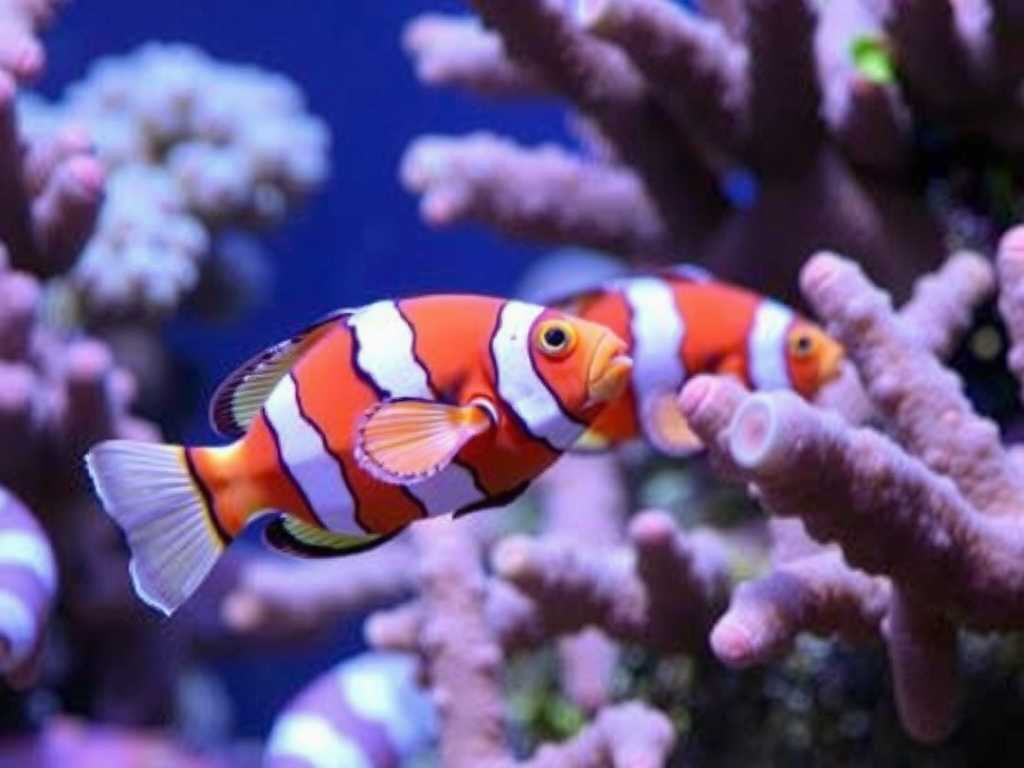
Reef-safe specifically means that a product is free from materials and chemicals known to harm marine invertebrates, particularly corals and beneficial bacteria. It goes beyond being merely "non-toxic" to fish. As marine biologist Dr. Samantha Reed notes, "The tolerance threshold for many corals to trace metals is a thousand times lower than for fish. What's safe for a clownfish can be a death sentence for an Acropora."
The Core Principles of Coral-Friendly Gear Selection
When evaluating any product, apply these three core principles: Inert Materials, Verified Purity, and Mechanical Safety.
1. Inert Materials: Equipment that contacts water must be chemically inert. This means it should not react with or dissolve into saltwater. 2. Verified Purity: Look for manufacturers who explicitly state their products are free of heavy metals, phosphates, silicates, and other undesirable compounds. 3. Mechanical Safety: Equipment should have no sharp edges or rough surfaces that can physically damage delicate coral tissues during water flow or maintenance.
A Detailed Guide to Reef-Safe Equipment Categories
Filtration Systems: The Heart of Purity
Your filter is the kidney of your tank. Choosing the wrong media can continuously release toxins.
Protein Skimmers: Opt for models with pumps that use ceramic or titanium shafts instead of standard metal alloys. The body and collection cup should be made of high-quality, food-grade acrylic or PVC. Avoid skimmers where internal components might corrode. Mechanical & Chemical Media: Filter floss and sponge are generally safe. For chemical filtration, use only reef-safe carbon that has been acid-washed and rinsed to remove impurities. Phosphate removers should be iron-based, not aluminum-based, as aluminum is harmful to corals. Always place media in a proper reactor or bag to prevent debris contact with corals. Biological Media: Porous ceramic media, live rock, and marine-safe bioballs are excellent choices. Ensure any plastic-based media is made from polyethylene or polypropylene, which are reef-safe plastics.
Water Movement: Pumps and Powerheads
Flow is life for corals, but the pump creating it must be safe.
Internal Pumps & Powerheads: This is a critical area for selecting aquarium equipment for coral safety. Magnetic drive pumps are the gold standard. The wet side (the part in the water) should be constructed from corrosion-resistant materials like ceramic, titanium, or high-grade plastics. The housing must be sealed to prevent any electrical or metallic components from leaching. Look for brands that specifically market their pumps as "reef-safe" or "aquarium-safe." Wave Makers: Similar rules apply. Ensure the protective guard has a fine enough mesh to prevent fish or corals from being drawn in, but with smooth edges. DC pumps often offer safer, controllable flow patterns that prevent sand from blasting onto corals.
Heating and Lighting
Heat: Submersible heaters must have a fully sealed glass or titanium tube. Titanium heaters are highly recommended for reef tanks as they are completely inert and shatter-resistant. Always use a heater guard to prevent direct contact with corals or rockwork, which can cause severe burns. Lighting: While LED fixtures themselves don’t contact water, their spectrum and intensity are crucial for coral-friendly fish tank maintenance. Choose lights that provide the appropriate PAR (Photosynthetically Active Radiation) and spectrum for your coral types without promoting excessive algae growth, which can be a sign of suboptimal light quality.
Testing and Dosing Equipment
Test Kits & Meters: Use reliable, marine-specific test kits for calcium, alkalinity, magnesium, and nutrients. Ensure measurement tools like refractometers are rinsed with RO/DI water after use. Auto-Dosers & Reservoirs: For dosing additives like calcium, alkalinity, and trace elements, the tubing and reservoir must be made of safe plastics (HDPE, LDPE, PP). Avoid vinyl tubing, which can leach plasticizers. The pump heads should be designed for chemical use to prevent corrosion.
Substrate, Decor, and Additives
Substrate: Aragonite-based sands and gravels are ideal as they help buffer pH. Avoid substrates containing limestone with unknown metal contaminants. Rinse thoroughly with RO/DI water before use. Aquarium Decorations and Ornaments: Be extremely cautious. Most painted or resin decorations intended for freshwater are not reef-safe. They can leach paints, metals, and phosphates. If using artificial decor, seek products specifically labeled for saltwater use. Natural live rock or dry reef rock is always the safest and most beneficial choice. Water Conditioners & Additives: This cannot be overstated. Only use additives from reputable reef-specific brands. General "aquarium" water conditioners often contain heavy metal neutralizers (like copper) that are toxic to invertebrates. For top-off and water changes, pure RO/DI (Reverse Osmosis/Deionized) water is mandatory.
Implementing a Reef-Safe Checklist Before You Buy
- Research the Brand: Is the company specialized in marine or reef aquatics? Read independent forum reviews.
- Scrutinize Materials: What is the product made of? Look for "ceramic," "titanium," "food-grade plastic," "high-density polyethylene."
- Check Specifications: Does it explicitly state "phosphate-free," "heavy metal free," "safe for reef/invertebrate tanks"?
- When in Doubt, Test: For suspicious decor or equipment, you can perform a simple leaching test. Place the item in a container of RO/DI water or saltwater, run an air stone for 48-72 hours, and then test the water for copper, phosphates, and ammonia.
Frequently Asked Questions
Can I use equipment from my old freshwater tank in my new reef tank? It is strongly discouraged. Freshwater heaters, pumps, and decorations may have accumulated residues or be made of materials that can leach copper or zinc into saltwater. The risk of introducing toxins is high. It’s safest to start with new, verified reef-safe gear.
How do I know if my current gear is harming my corals? Unexplained coral decline—especially in SPS corals—like rapid tissue loss (RTN), poor coloration (often a pale, washed-out appearance), or lack of growth can be signs. Test for stray voltage with a voltmeter, check for corrosion on equipment, and consider testing your water for heavy metals using a specialized test kit. Observing where the decline is most severe (e.g., near a specific pump) can also pinpoint the source.
Are "aquarium-safe" and "reef-safe" labels the same thing? No, they are not. "Aquarium-safe" typically means safe for fish in a general sense. "Reef-safe" is a stricter standard, guaranteeing safety for the most sensitive invertebrates like corals, clams, and shrimp. Always look for the "reef-safe" designation for a coral tank.
Building a magnificent reef aquarium is a journey of continuous learning. By prioritizing coral-friendly fish tank maintenance and meticulously selecting aquarium equipment for coral safety, you lay a foundation for long-term success. It transforms your tank from a simple container of water into a resilient, life-supporting ecosystem. Your vigilance in choosing reef-safe gear is the most significant gift you can give to the delicate, living art you are cultivating. Start with the right tools, and watch your underwater world flourish.
发表评论