 admin
admin How to Emergency Care for Ornamental Fish: Power Outages & Crises
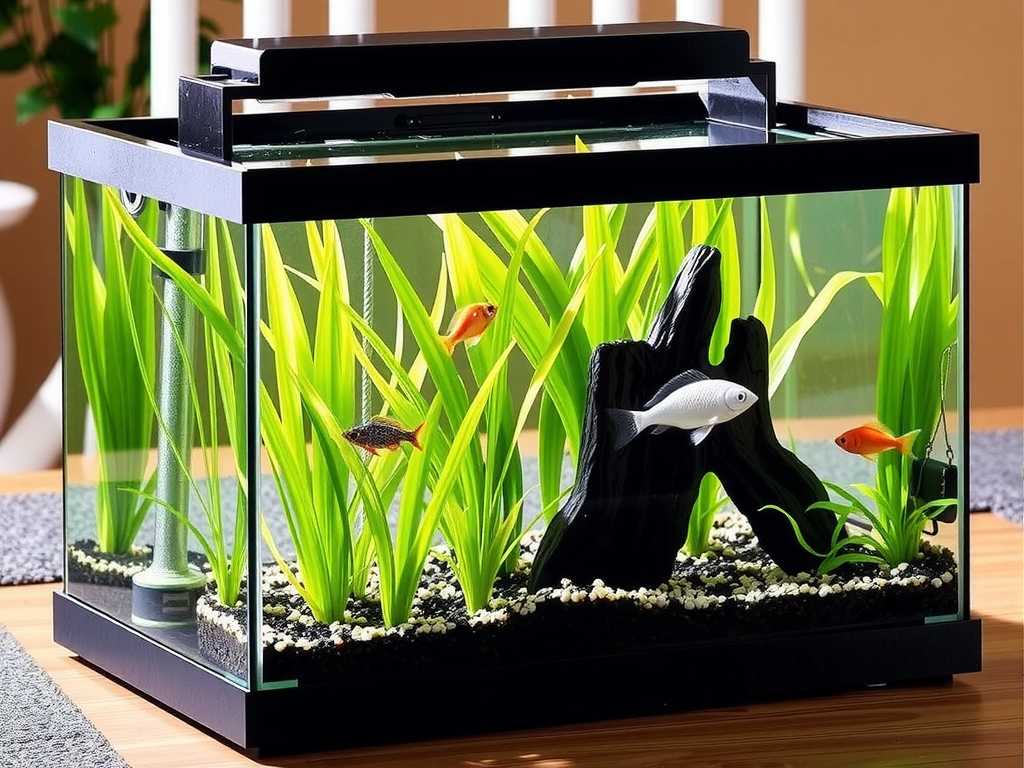
Imagine this: the lights flicker and go out. The gentle hum of your aquarium filters falls silent. In that sudden quiet, a wave of panic hits—your fish are now in a race against time. Power outages and other household crises pose one of the most immediate threats to a closed aquatic ecosystem. Without a plan, your ornamental fish can succumb to oxygen depletion, temperature swings, and toxic ammonia buildup in a matter of hours. This guide provides the actionable, step-by-step knowledge you need to become your fish's first responder, ensuring their survival when the unexpected strikes.
Understanding the Immediate Threats to Your Aquarium
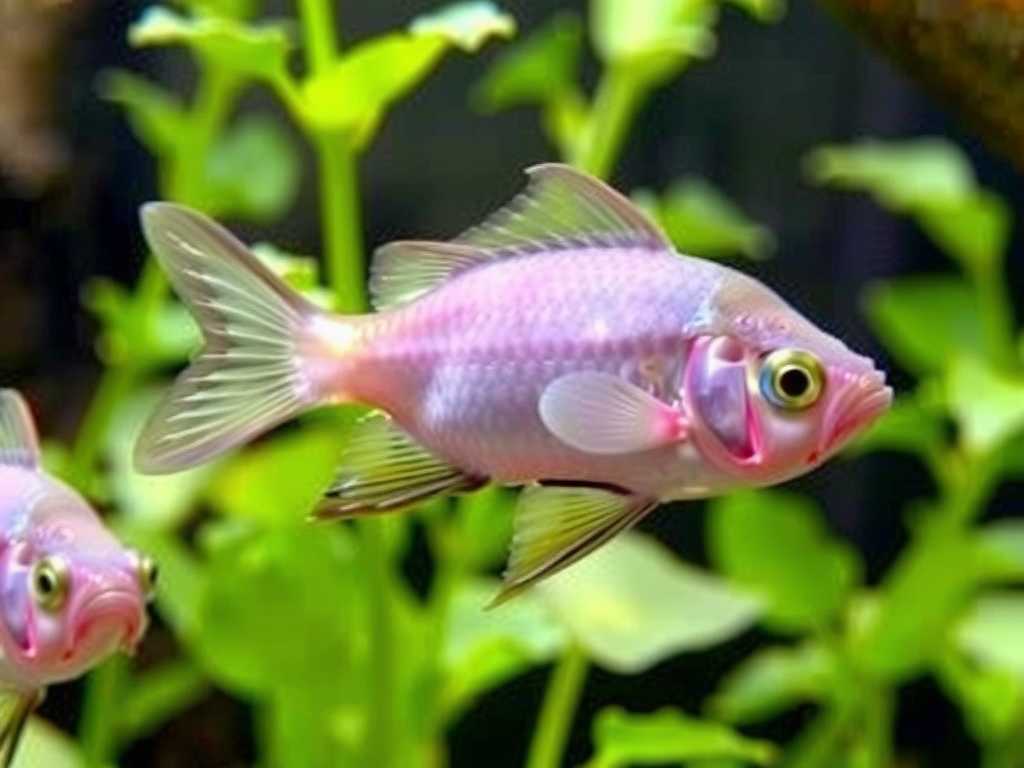
When power fails, the life-support systems of your tank shut down. The dangers compound quickly, and understanding them is the first step to an effective response.
Oxygen Depletion: The Silent Killer The most urgent threat is the loss of dissolved oxygen. Your filter and air pumps are no longer agitating the water surface, which is where vital gas exchange occurs. Fish breathe by extracting oxygen from the water through their gills. In a still tank, oxygen levels can plummet rapidly, especially in warmer, well-stocked aquariums where fish and beneficial bacteria consume it quickly. Signs of distress include fish gasping at the surface, rapid gill movement, and lethargy.
Temperature Fluctuations: A Slow or Sudden Shock Aquarium heaters and chillers stop working. In cold climates, water temperature can drop dangerously, slowing fish metabolism and compromising their immune systems. Conversely, in a heated home during summer, a tank can overheat, reducing oxygen-holding capacity and stressing fish. Tropical ornamental fish have a narrow optimal temperature range; straying outside it for prolonged periods is often fatal.
Water Quality Collapse: The Invisible Poison Your biological filter, home to nitrifying bacteria, is now offline. These bacteria require a constant flow of oxygenated water to survive and convert toxic ammonia from fish waste into less harmful nitrates. Without flow, the bacteria begin to die off, halting the nitrogen cycle. Meanwhile, ammonia continues to accumulate from fish respiration and waste, quickly reaching toxic levels that can burn gills and cause organ damage.
Your Step-by-Step Emergency Response Plan
A calm, methodical approach is crucial. Follow these steps in order of priority to stabilize your tank.
Step 1: Preserve Oxygen and Water Movement This is your top priority for the first few hours.
- Manual Agitation: Immediately begin agitating the water surface. Use a clean cup, bowl, or your hand to scoop and pour water back into the tank from a height. Do this for 30-60 seconds every 10-15 minutes. This manual surface disruption is highly effective at promoting gas exchange.
- Battery-Powered Air Pumps: If you have one, deploy it now. These inexpensive devices are the single most valuable piece of emergency equipment. Connect an air stone to diffuse the bubbles and place it in the tank. As noted by aquatic veterinarian Dr. Jessie Sanders, "A simple battery-operated air pump can maintain sufficient oxygen levels for most community tanks for over 24 hours, buying critical time during a crisis."
- Partial Water Change: If the outage persists beyond 2-3 hours, consider a partial (20-25%) water change. Use room temperature water that has been dechlorinated. This directly dilutes ammonia and nitrite and introduces fresh oxygen. Ensure the new water's temperature is as close as possible to the tank water to avoid thermal shock.
Step 2: Regulate Water Temperature
- Insulating the Tank: Wrap the entire aquarium in blankets, towels, or foam boards. This insulation slows heat loss in cold weather and helps keep heat out in warm weather. Keep the tank lid on to reduce evaporative cooling.
- Managing Heat: In a cold scenario, you can float sealed bottles filled with warm (not hot) water in the tank to gently raise the temperature. For overheating, float sealed bottles of cool water or ice packs. Never add ice or hot water directly to the aquarium. Monitor the temperature with a thermometer hourly.
Step 3: Minimize Biological Load Reduce the waste production in the tank to slow ammonia buildup.
- Stop Feeding: Do not feed your fish during the outage. Fish can easily go several days without food, and digestion increases their oxygen consumption and waste output. Feeding will only pollute the water.
- Reduce Stress: Keep the room quiet and dark. Avoid tapping on the glass or disturbing the fish unnecessarily. Stress hormones can further compromise their health.
Essential Equipment for Your Emergency Kit
Being prepared transforms a crisis into a manageable event. Assemble these items and store them in an easily accessible "Aquarium Emergency Kit."
- Battery-Powered Air Pump: With extra batteries and airline tubing/air stones.
- USB/Power Bank Air Pump: A modern alternative that can be charged in advance or via a car charger.
- Chemical Filtration Backups: Have products like Seachem Prime or Ammo Lock on hand. These water conditioners can temporarily detoxify ammonia and nitrite for up to 48 hours, providing a crucial safety net.
- Insulating Materials: Old blankets or foam sheets.
- Digital Thermometer: For accurate temperature monitoring.
- Manual Siphon & Clean Buckets: For water changes without electricity.
- Sealed Water Jugs: Pre-mixed, dechlorinated water for emergencies.
Post-Crisis Recovery and Monitoring
When power returns, don't simply plug everything back in and resume normal routines. Your tank and its inhabitants are in a fragile state.
- Restart Equipment Gradually: Plug in heaters and filters. Listen to ensure the filter impeller is running smoothly; it may need a gentle shake or prime if it’s been dry. Allow the system to run for at least an hour before proceeding.
- Test Water Parameters: Use your liquid test kit to check for ammonia and nitrite spikes. A 2023 report by the Aquatic Veterinary Association highlighted that "post-outage ammonia surges are a leading cause of secondary mortality in ornamental fish, often occurring 12-48 hours after power restoration."
- Resume Care Cautiously: If ammonia or nitrite are detectable, perform a partial water change and use a detoxifying conditioner. Wait 24 hours before offering a very small, light meal. Continue testing daily for a week to ensure your biological filter has fully recovered.
What should I do if I don't have a battery-powered air pump? Manual agitation is your best immediate option. Scoop and pour water consistently. As a last resort, you can very gently blow air into the water through a clean straw, but this is less efficient and introduces carbon dioxide. Prioritize obtaining an air pump for future preparedness.
How long can my fish survive without a filter during a power outage? Survival time depends on tank stocking, temperature, and your intervention. A heavily stocked, warm tank may only have a few hours before oxygen becomes critical. With manual agitation and temperature management, fish can often survive 24-48 hours. The biological filter bacteria, however, begin to die off after 4-8 hours without oxygenated flow, which is why monitoring after power returns is essential.
Can I use a generator to power my aquarium? Yes, a portable generator can be an excellent solution for prolonged outages. Ensure it is rated for the total wattage of your aquarium equipment (heater, filter, lights) and is operated outdoors in a well-ventilated area, never indoors, to prevent deadly carbon monoxide poisoning. Using an Uninterruptible Power Supply (UPS) for your filter can also provide a short-term bridge during brief outages.
Facing a power outage with an aquarium can be daunting, but knowledge and preparation are your greatest assets. By understanding the cascading threats—oxygen loss, temperature shift, and water toxicity—you can respond with purpose. Building a simple emergency kit, centered on a battery-powered air pump and water conditioner, equips you to stabilize the environment. Remember, the recovery phase is just as critical as the initial response. Consistent monitoring in the days following the crisis ensures your aquatic ecosystem not only survives but fully recovers. With this plan, you can provide the expert care your ornamental fish depend on, turning panic into confident action.
发表评论