 admin
admin Starting a freshwater aquarium is an exciting journey, but choosing the right ornamental fish can feel like navigating a maze—especially when a single misstep can lead to stressed fish, algae blooms, or even total tank collapse. For beginners, the biggest challenge isn’t just picking “pretty” fish; it’s selecting species that align with their skill level, tank conditions, and ability to maintain a healthy ecosystem. Many new aquarists fall into the trap of buying fish on impulse, only to watch them struggle (or worse) days later. The good news? With a few key guidelines, you can avoid these fatal mistakes and build a thriving, beautiful tank.
Why Choosing the Right Fish Matters for Beginners
Freshwater ornamental fish vary wildly in their care needs—from water temperature and pH to diet and social behavior. A fish that thrives in a 75°F community tank might not survive in a colder, smaller setup. For beginners, mismatched fish choices often lead to three critical issues:
Stress and disease: Fish forced into incompatible environments (e.g., a tropical fish in an unheated tank) have weakened immune systems, making them prone to illnesses like ich or fin rot.
Water quality crashes: Overstocking or adding fish that produce excessive waste (e.g., large cichlids) can overwhelm an uncycled tank, leading to toxic ammonia or nitrite spikes.
Aggression and bullying: Some species, even small ones, are territorial. Mixing a peaceful betta with fin-nipping tetras, for example, can result in injured or dead fish.
The goal for beginners is to prioritize hardy, low-maintenance species that fit your tank’s parameters—before you bring them home.
Step 1: Assess Your Tank’s “Personality”
Before choosing fish, you need to understand your aquarium’s “personality”—its size, water chemistry, and filtration capacity. These factors will dictate which fish can thrive.
Tank Size: Bigger Is Almost Always Better
Small tanks (under 10 gallons) are tempting for beginners due to their low cost and space requirements, but they’re far less forgiving. “Small tanks have less water volume, which means waste and toxins accumulate faster,” explains Dr. Sarah Johnson, a aquatic veterinarian at the Aquatic Animal Health Institute. “A 5-gallon tank might seem manageable, but even a single betta or a few guppies can quickly pollute the water if not cycled properly.”
For beginners, a 10-20 gallon tank is ideal. It provides enough space to dilute waste, stable water parameters, and room for a small school of fish or a single centerpiece species.
Water Parameters: Test First, Buy Later
Freshwater fish have specific preferences for pH (acidity/alkalinity), general hardness (GH), and carbonate hardness (KH). Most community fish thrive in pH 6.5-7.5, GH 5-15 dGH, and KH 3-8 dKH—but some species, like African cichlids, need harder, more alkaline water.
Invest in a liquid water test kit (strip tests are less accurate) and check your tap water before setting up the tank. If your water is too hard or soft for the fish you want, you’ll need to adjust it (e.g., using peat moss to lower pH or crushed coral to raise it)—but this adds complexity for beginners. Stick to fish that match your tap water’s natural parameters to avoid unnecessary stress.
Filtration: Don’t Skimp on Flow
A good filter is non-negotiable. It removes debris, circulates oxygen, and houses beneficial bacteria that break down fish waste (the “nitrogen cycle”). For beginners, a hang-on-back (HOB) filter or sponge filter is easy to use and maintain. Avoid undergravel filters—they’re less effective and harder to clean for new aquarists.
Step 2: Prioritize Hardy, Beginner-Friendly Species
Not all freshwater fish are created equal when it comes to resilience. Some species can tolerate minor water fluctuations, irregular feeding, or less-than-perfect tank conditions—perfect for beginners still learning the ropes. Here are three top choices:
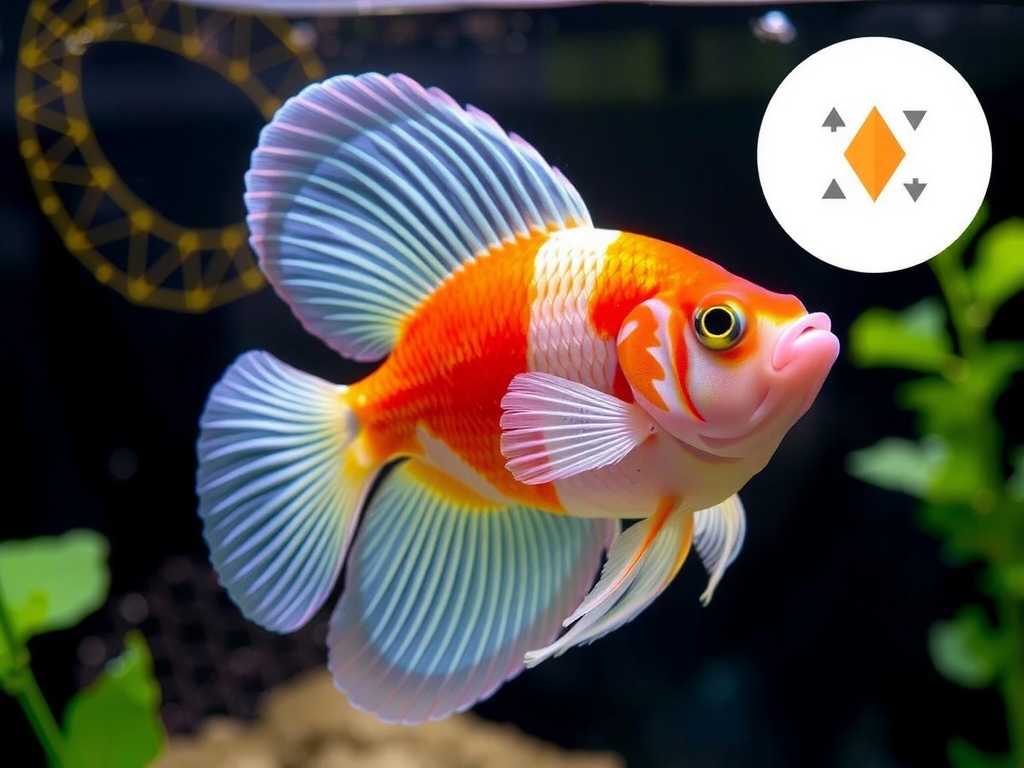
Betta Fish (Betta splendens): The “Starter” Centerpiece
Betta fish, often called Siamese fighting fish, are a popular pick for beginners—and for good reason. They’re hardy, colorful, and can live in smaller tanks (though 5 gallons is the minimum). “Bettas are labyrinth fish, meaning they can breathe air from the surface, which makes them more tolerant of low-oxygen water,” says Emily Carter, a renowned aquascaper and author of The Beginner’s Guide to Freshwater Aquariums.
Care Tips:
Keep bettas alone (they’re territorial) or with peaceful, non-fin-nipping tank mates like snails or Corydoras catfish.
Maintain water temperature between 76-81°F (they’re tropical).
Feed a high-protein diet (pellets or frozen brine shrimp) 1-2 times daily.
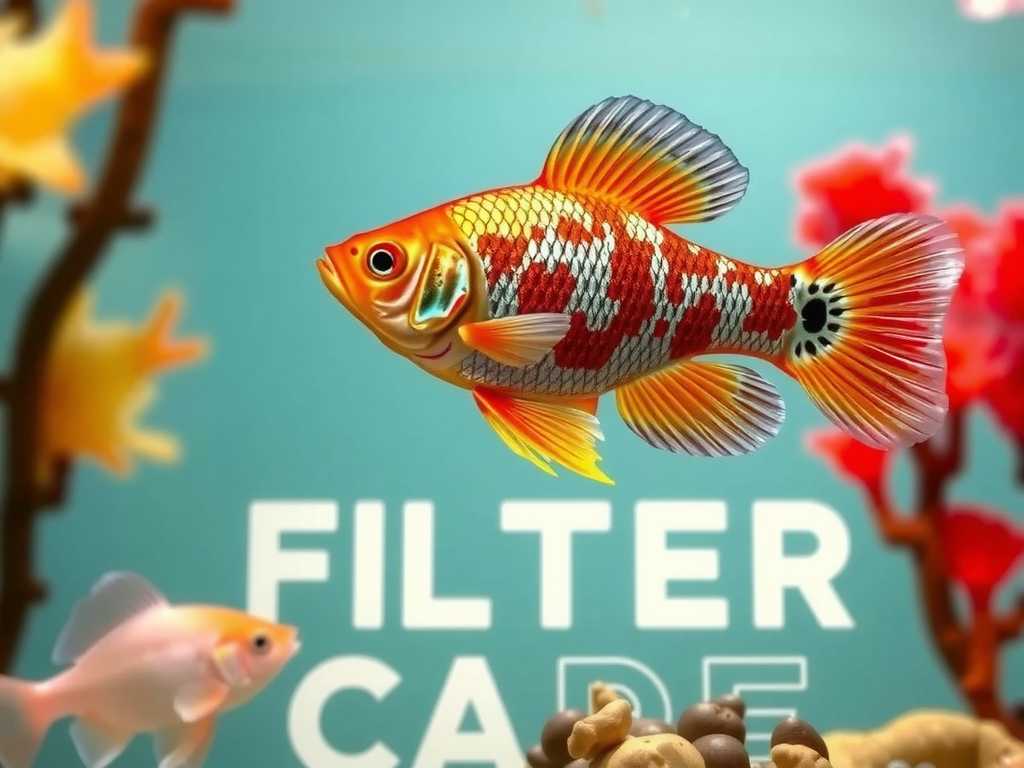
Guppies (Poecilia reticulata): Colorful, Active, and Easy
Guppies are small, livebearing fish that come in hundreds of color varieties. They’re peaceful, active, and adapt well to community tanks. “Guppies are one of the most forgiving fish for beginners,” notes Dr. Johnson. “They can tolerate a wide range of water conditions and are great indicators of tank health—if guppies are thriving, your water quality is likely good.”
Care Tips:
Keep them in schools of 3-5 (they’re social) with other peaceful fish like tetras or rasboras.
Prefer water temperatures of 72-82°F and pH 6.8-7.8.
Feed flake food or micro-pellets 1-2 times daily; avoid overfeeding (guppies have small stomachs).
Corydoras Catfish (Corydoras spp.): The “Cleanup Crew”
Corydoras, or “cories,” are small, bottom-dwelling catfish that add personality to tanks while helping keep the substrate clean. They’re peaceful, hardy, and come in dozens of species (e.g., bronze, panda, or albino corydoras). “Corydoras are excellent for beginners because they’re scavengers—they’ll eat leftover food that sinks to the bottom, reducing waste buildup,” explains Carter.
Care Tips:
Keep them in schools of 3-5 (they’re social and feel safer in groups).
Prefer soft, sandy substrate (sharp gravel can damage their barbels).
Feed sinking pellets or wafers once daily; supplement with occasional live or frozen food.
Step 3: Avoid “Fatal” Compatibility Mistakes
One of the most common (and deadly) mistakes beginners make is mixing incompatible fish. Even if two species seem “peaceful” on paper, differences in size, temperament, or care needs can lead to disaster.
Rule 1: Skip Aggressive or High-Maintenance Fish
Avoid species known for aggression or specific care requirements until you have more experience. This includes:
Cichlids: Many cichlids (e.g., Oscar, Jack Dempsey) are territorial and need large tanks (55+ gallons) with specialized water conditions.
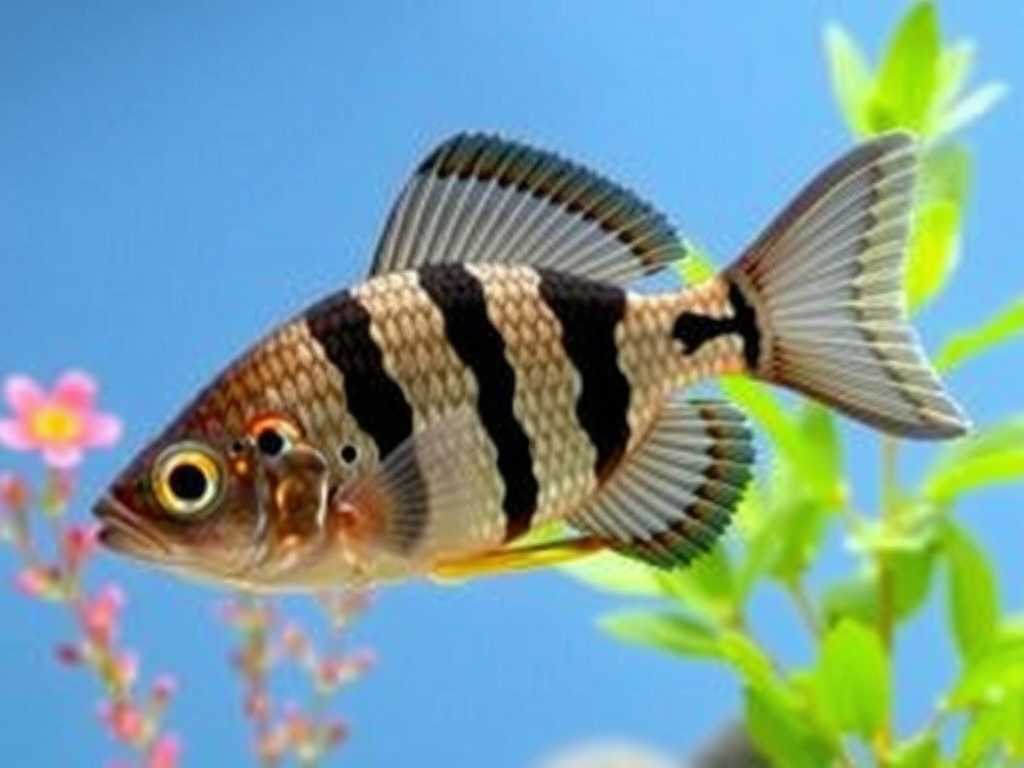
Fin-nipping fish: Tiger barbs, serpae tetras, and some rainbowfish are prone to nipping at long fins (like bettas or angelfish).
Sensitive species: Discus, neon tetras, and dwarf shrimp require pristine water conditions and stable parameters—too much for beginners.
Rule 2: Match Size and Activity Levels
Even peaceful fish can stress each other out if their sizes or activity levels clash. For example:
Large vs. small: A 6-inch angelfish might see a 1-inch neon tetra as a snack.
Active vs. slow: Fast-swimming danios can stress out slow-moving bettas or corydoras.
Stick to fish of similar size and temperament. A 10-gallon tank could house a betta + 3 Corydoras + 5 guppies—all peaceful, similarly sized, and compatible.
Rule 3: Research “Tank Mate” Lists (and Cross-Check Them)
When in doubt, use reputable resources to check compatibility. Websites like Aquarium Co-Op or Seriously Fish provide detailed tank mate guides for popular species. “Don’t rely on pet store staff alone,” warns Carter. “Many employees have limited training—always double-check with trusted online sources or books.”
Step 4: Avoid These 3 “Beginner Killer” Mistakes
Even with the right fish, beginners often make these fatal errors:
Mistake 1: Skipping the Nitrogen Cycle
The nitrogen cycle is the process where beneficial bacteria colonize your filter and substrate, converting toxic ammonia (from fish waste) into less harmful nitrate. “Uncycled tanks are the #1 cause of fish death for beginners,” says Dr. Johnson. “Ammonia and nitrite spikes can kill fish in hours.”
How to Cycle:
Add a small piece of fish food or a pinch of fish food daily to “feed” bacteria.
Test water weekly—once ammonia and nitrite levels drop to 0 ppm and nitrate rises, your tank is cycled (this takes 2-6 weeks).
Avoid adding too many fish at once—start with 2-3 small fish and add more slowly.
Mistake 2: Overstocking the Tank
It’s tempting to fill your tank with colorful fish, but overstocking leads to poor water quality and stressed fish. Follow the “one inch per gallon” rule (with exceptions for large or messy fish). For example:
A 10-gallon tank can hold 10 inches of fish total (e.g., 3 guppies + 1 betta + 3 Corydoras = ~7 inches—safe).
A 20-gallon tank can hold 20 inches (e.g., 6 neon tetras + 1 dwarf gourami + 5 Corydoras = ~10 inches—safe).
Mistake 3: Ignoring Water Changes
Even with a good filter, waste (nitrate) builds up over time. “Nitrate isn’t as toxic as ammonia, but high levels (over 40 ppm) stress fish and promote algae,” explains Carter.
Water Change Routine:
Replace 10-20% of the tank water weekly.
Use a water conditioner to remove chlorine/chloramine from tap water.
Vacuum the substrate to remove debris during changes.
Common FAQs for Beginner Fish Keepers
Q: How many fish should I start with?
A: For a 10-gallon tank, start with 2-3 small, hardy fish (e.g., 3 guppies + 1 betta) and add more slowly as your tank cycles. Over time, you can expand to 5-6 fish, but always prioritize water quality over quantity.
Q: What’s the best tank size for beginners?
A: A 10-20 gallon tank is ideal. It’s large enough to stable water parameters but small enough to manage easily. Avoid tanks under 5 gallons—they’re too small for most fish (even bettas).
Q: How often should I feed my fish?
A: Most freshwater fish do well with 1-2 small feedings daily. Overfeeding is a common mistake—only give what your fish can eat in 2-3 minutes. Uneaten food decomposes and pollutes the water.
Choosing freshwater ornamental fish for beginners doesn’t have to be scary. By focusing on hardy species, matching fish to your tank’s conditions, and avoiding common mistakes like overstocking or skipping the nitrogen cycle, you’ll set yourself up for success. Remember: The goal isn’t to have a “perfect” tank overnight—it’s to build a healthy ecosystem where both you and your fish can thrive. Start small, be patient, and enjoy the journey!
发表评论