 admin
admin How to Treat Marine Velvet in Saltwater Ornamental Fish: Fast Cure
Discovering your prized saltwater fish covered in a fine, dusty gold or rust-colored film, gasping at the water's surface, is a moment of panic for any aquarist. Marine Velvet, or Amyloodinium ocellatum, is a relentless and fast-moving parasitic disease that can wipe out an entire tank in days. Its rapid life cycle and ability to spread through free-swimming dinospores make it one of the most dreaded diagnoses. This guide provides a clear, actionable, and fast cure protocol, combining proven treatment methods with critical tank management strategies to save your fish and restore your aquarium's health.
Understanding the Enemy: What is Marine Velvet?
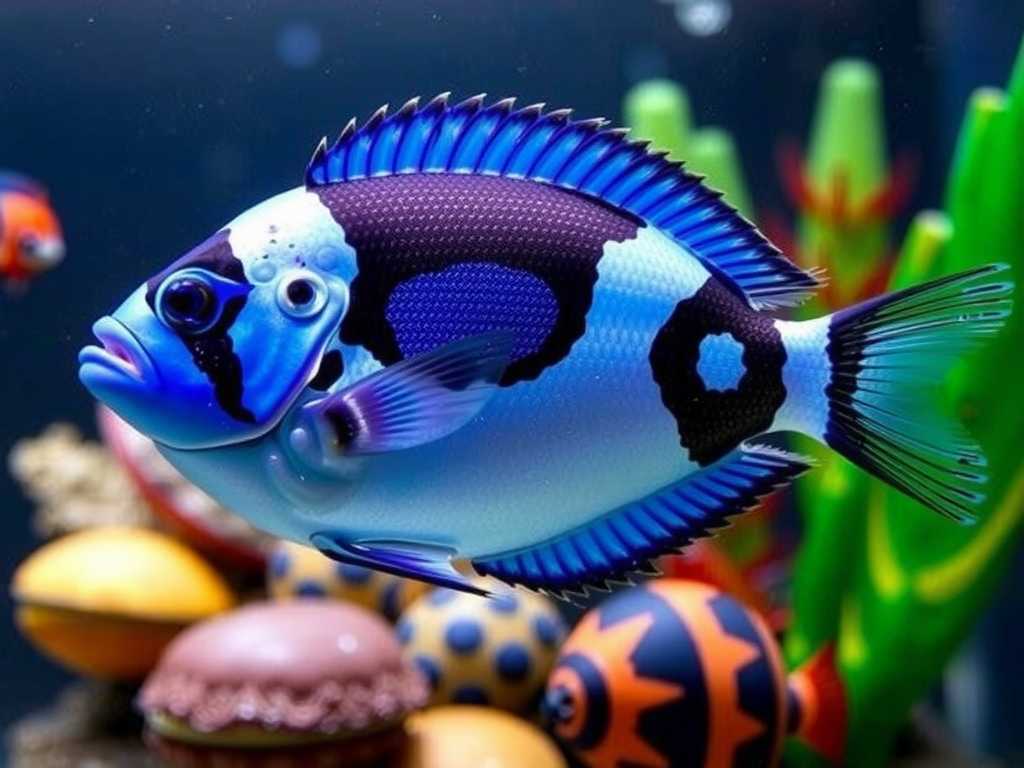
Marine Velvet is caused by a microscopic dinoflagellate parasite. Unlike Ich, which appears as distinct white spots, Velvet presents as a finer, velvety coating, often first noticed as a loss of color, rapid breathing, and flashing or rubbing against objects. The parasite attaches to the fish's skin, fins, and gills, feeding on bodily fluids and tissues. Gill infestation is particularly deadly, as it leads to respiratory distress, which is often the primary cause of death. According to marine pathologist Dr. Leo Smith, "The dinospore stage of Amyloodinium is highly infectious and can survive without a host for up to two weeks in a fallow tank, demanding a comprehensive treatment and quarantine approach."
Immediate Action Steps: The Fast Cure Protocol
Time is your most critical resource when combating Marine Velvet. A delayed response drastically reduces survival rates. Follow these steps immediately.
Step 1: Confirm Diagnosis and Isolate
First, observe all fish closely. Use a flashlight in a darkened room; the golden dust may shimmer as the fish turns. Immediately move all infected and exposed fish to a dedicated hospital or treatment tank. This is non-negotiable. The display tank must be left fallow (without fish) to break the parasite's life cycle. Leaving fish in the main tank while treating is almost always ineffective.
Step 2: Choose and Administer Treatment in the Hospital Tank
Copper-based medications are the most effective and fast-acting cure for Marine Velvet. Products containing chelated copper (e.g., copper power) are generally safer and more stable than ionic forms.
- Dosage is Critical: You must use a high-quality copper test kit. Follow the product instructions to raise the copper level to the therapeutic range, typically between 0.15 - 0.20 ppm for chelated copper. Maintain this exact level for the full treatment period.
- Treatment Duration: Keep fish in therapeutic copper for a minimum of 14-21 days. This ensures you eradicate the parasite through its entire life cycle.
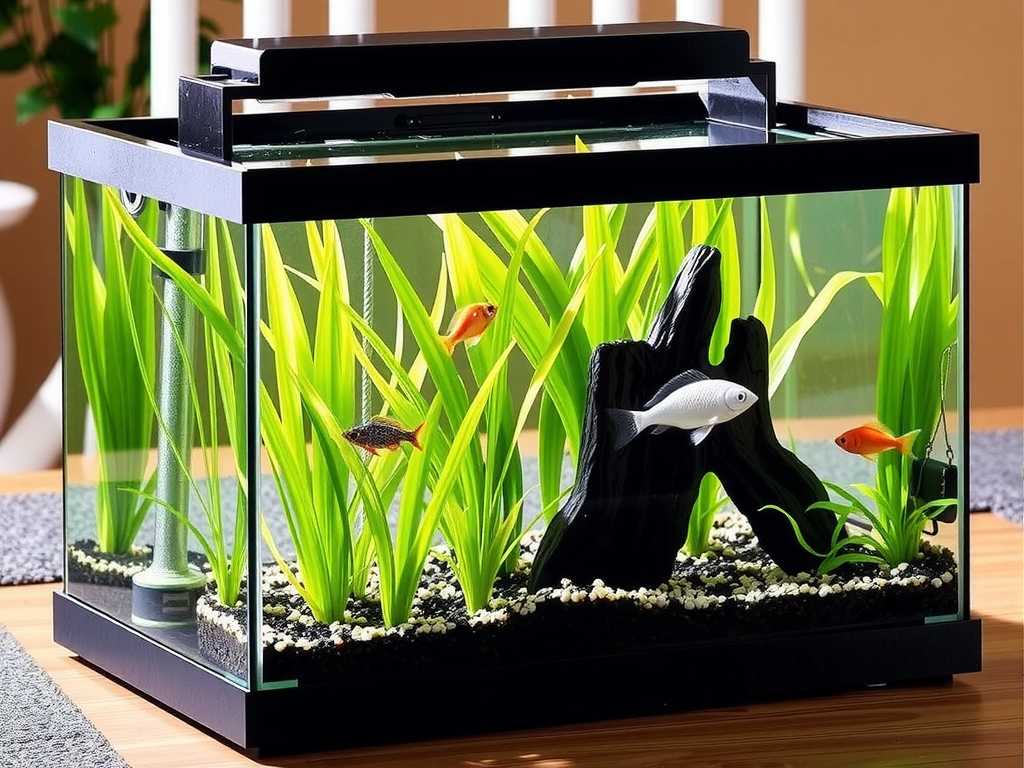
- Hospital Tank Setup: The tank should be bare-bottom with simple PVC pipes or plastic plants for hiding. Do not use chemical filtration like carbon, as it will remove the medication. Perform daily water changes to manage waste, and re-dose copper to maintain the therapeutic level after each change.
An alternative treatment for sensitive species like wrasses, tangs, and puffers is Chloroquine Phosphate. It can be highly effective but must be sourced carefully and dosed precisely based on expert guidance.
Step 3: Supportive Care for Stressed Fish
Treating the parasite is only half the battle. Supporting the fish's health is crucial for recovery.
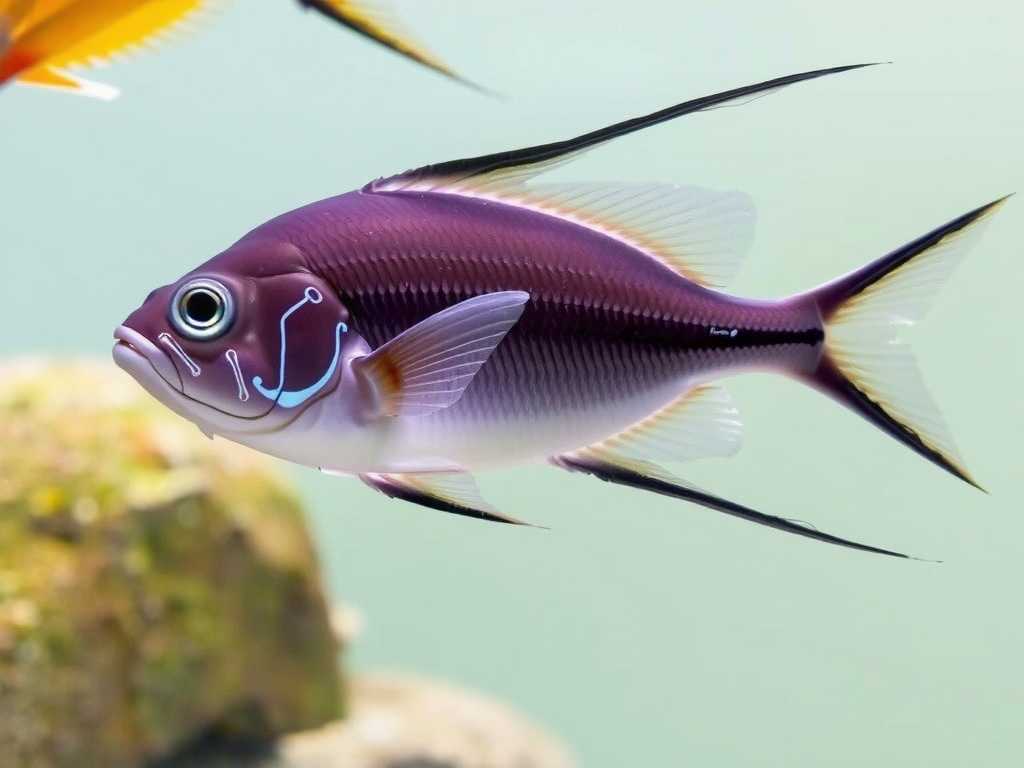
- Water Quality: Maintain immaculate water parameters in the hospital tank. Test for ammonia and nitrite daily, as copper can harm biological filtration.
- Oxygenation: Increase surface agitation and add an air stone. Parasite-damaged gills impair oxygen uptake, so supersaturating the water with oxygen is vital.
- Appetite Stimulation: Offer highly palatable, nutrient-rich foods like live brine shrimp, frozen mysis, or garlic-soaked pellets. Good nutrition boosts the immune system.
Managing the Fallow Display Tank
While fish are in treatment, your main display tank must remain fish-free. This process starves the parasite. The fallow period for Marine Velvet is a minimum of 6 weeks. Use this time to monitor and maintain water quality for any remaining invertebrates or corals. Some aquarists choose to slightly elevate the temperature to 80-82°F to accelerate the parasite's life cycle and ensure it dies off sooner.
Preventing Future Outbreaks: The Quarantine Imperative
The single most effective prevention strategy is a strict quarantine procedure for all new fish. A dedicated quarantine tank, observed for 4-6 weeks, allows you to identify and treat any latent illnesses before they enter your main system. This practice, endorsed by every major aquarium expert, is the cornerstone of a healthy saltwater aquarium and is your best defense against not just Velvet, but many other diseases.
What are the first signs of Marine Velvet I should look for? The earliest signs are often behavioral: rapid gill movement, lethargy, loss of appetite, and flashing against surfaces. Before the classic golden dust is visible, fish may appear to have a dull or "slimy" coating. Clamped fins are another common early indicator.
Can Marine Velvet affect corals and invertebrates? No, the Amyloodinium ocellatum parasite only infects fish. However, the copper treatments used to cure it are extremely toxic to invertebrates, corals, and beneficial bacteria. This is why treating fish in a separate hospital tank is absolutely essential.
Is freshwater dip an effective cure for Marine Velvet? A freshwater dip can provide temporary relief by causing parasites on the body to burst due to osmotic shock. It may remove some parasites and help the fish breathe easier, but it is not a cure. It does not affect parasites embedded in the gills or free-swimming dinospores in the tank water. It should only be used as an emergency supportive measure alongside a full treatment protocol.
Successfully treating Marine Velvet demands swift diagnosis, a disciplined treatment regimen using proven medications like copper, and a thorough fallow period for your main aquarium. The experience, while stressful, underscores the vital importance of preventative measures, particularly a robust quarantine protocol. By acting decisively with this fast cure approach and committing to long-term prevention, you can overcome this deadly threat and ensure the resilience and beauty of your saltwater aquatic community for years to come.
发表评论