 admin
admin How to Spot Aggressive Saltwater Ornamental Fish: Avoid Bullies in Your Tank
You’ve spent countless hours meticulously planning your saltwater aquarium, carefully selecting vibrant corals and arranging the perfect aquascape. You introduce your new, beautiful fish, dreaming of a serene underwater world. But within days, the harmony shatters. One fish relentlessly chases the others, claiming the entire tank as its territory. Fin nipping, hiding, and stressed, pale fish become the new norm. This frustrating and heartbreaking scenario is often caused by inadvertently introducing an aggressive saltwater ornamental fish. Learning how to spot aggressive saltwater ornamental fish is not just helpful—it’s essential for the health, safety, and long-term success of your marine aquarium.
This guide will equip you with the knowledge to identify potential bullies before you buy, understand the roots of their behavior, and create strategies for a more peaceful community. By focusing on observation, research, and proactive tank management, you can avoid the pitfalls of aggression and foster a thriving ecosystem.
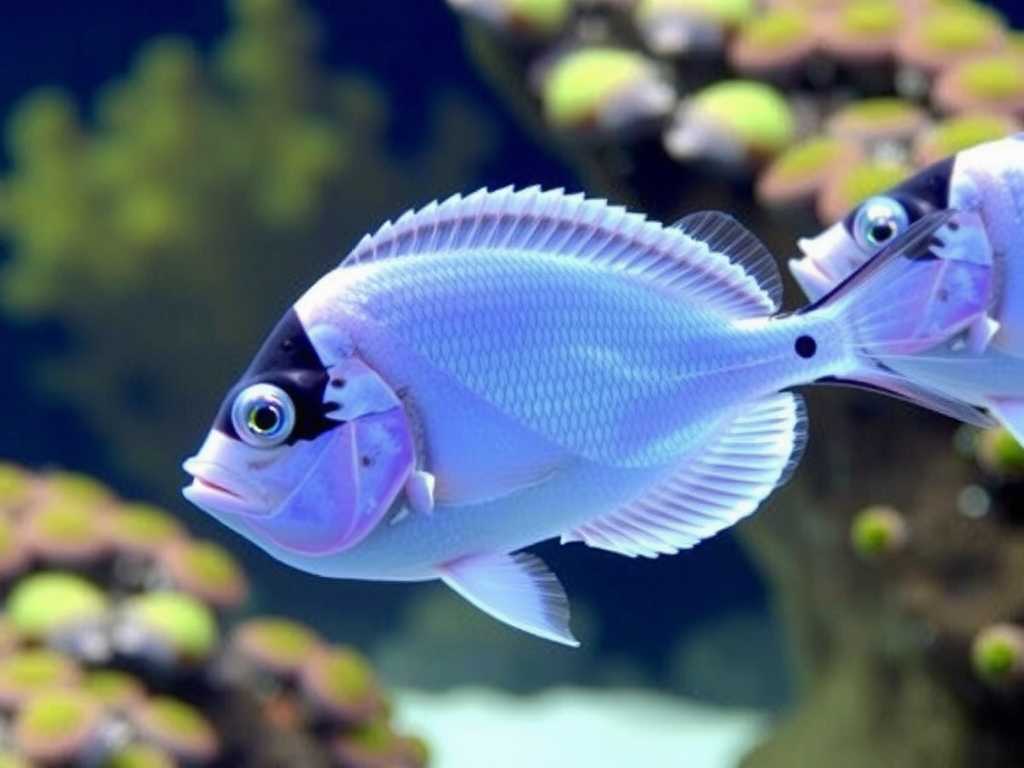
Understanding the Roots of Fish Aggression
Aggression in saltwater fish is not mere "meanness"; it’s a natural survival behavior driven by instinct. In the vast ocean, resources like food, shelter, and breeding sites are limited. Fish evolve behaviors to compete for these resources. In our home aquariums, these instincts don’t disappear. The primary drivers are:
- Territoriality: Many fish, especially damselfish, dottybacks, and some wrasses, establish and fiercely defend a specific area for feeding and shelter.
- Competition for Food: Aggression can spike during feeding times if resources are perceived as scarce.
- Breeding Behavior: Fish guarding eggs or fry can become hyper-aggressive to protect their offspring.
- Incompatible Tankmates: Housing two fish of similar body shape, color, or ecological niche (e.g., two fish that perch on rocks) often triggers conflict.
Recognizing these triggers is the first step in prevention. As marine aquarist and author Robert Fenner notes, "Much of what we label 'aggression' is simply a fish doing what it was designed to do in an environment that doesn't match the scale of its instincts."
Key Behavioral Red Flags: Spotting a Bully Before You Buy
Your most powerful tool is observation. Spend at least 10-15 minutes watching fish in the store aquarium, not just the one you want, but all its tankmates.
1. Active Chasing and Harassment This is the most obvious sign. A truly aggressive fish won’t just dart occasionally; it will systematically and persistently chase specific tankmates. Watch for one fish that seems to be patrolling the tank, forcing others into corners or behind rocks. Notice if the chased fish have tattered fins—a clear sign of ongoing harassment.
2. Body Language and Posturing Aggression isn’t always high-speed chases. Threat displays are common:
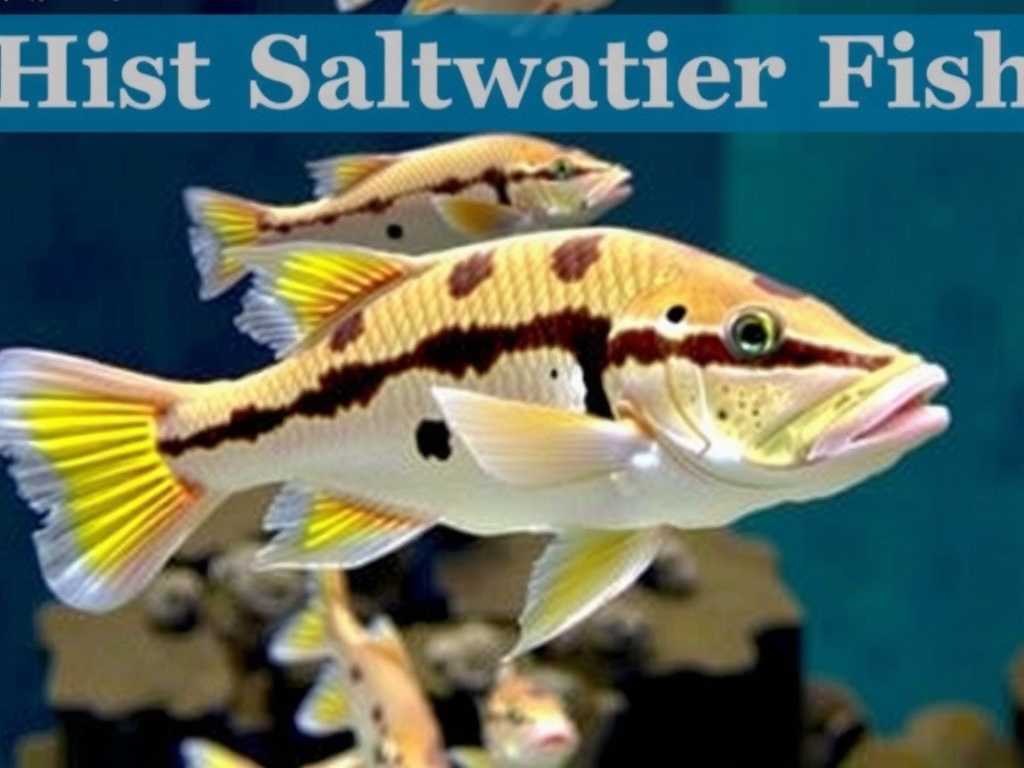
- Flared Fins and Gills: A fish will make itself look larger by extending its dorsal fins and flaring its gill covers.
- Darkening or Intensifying Color: Some species, like certain dwarf angels or dottybacks, will darken their coloration when threatening rivals.
- Lateral Displays: Two fish may swim parallel to each other, sizing one another up, often with fins erect.
- Lip Locking: In some species, like clownfish, this is a direct, physical combat for dominance.
3. Controlling Resources A potential bully will often claim prime real estate—the best cave, the highest rock, or the entire side of the tank with the strongest water flow. It will aggressively charge any fish that comes near. Similarly, it may try to monopolize food during feeding time, preventing shyer species from eating.
High-Risk Species: Common Saltwater Aquarium Bullies
While individual personality varies, some families and species are notoriously prone to aggression. Identifying aggressive marine fish species requires knowing these common culprits:
- Damselfish (e.g., Domino, Three-Stripe, Yellowtail Damsel): Often sold as hardy beginners' fish, many damsels become incredibly territorial tyrants as they mature. They are a leading cause of tank aggression complaints.
- Dottybacks (e.g., Orchid, Neon, Sunrise Dottyback): Their stunning colors are deceptive. Most dottybacks are voracious predators of small shrimp and can be highly aggressive toward similarly shaped or colored fish.
- Large Angelfish & Butterflyfish: As they grow, many become territorial and may nip at corals, clams, and other fish. Introducing them last is a common strategy.
- Certain Wrasses: While many wrasses are peaceful, species like the aggressive six line wrasse can become bullies in smaller tanks, harassing slower-moving fish and other wrasses.
- Triggerfish, Hawkfish, and Lionfish: These are predatory fish with specific care requirements. They are not "community tank" fish and will see smaller tankmates as food.
Proactive Strategies for a Peaceful Tank
1. Research is Non-Negotiable Never buy a fish on impulse. Before any purchase, research its:
- Adult size and tank requirements.
- Temperament and aggression level.
- Compatible and incompatible tankmates.
- Reef safety (if you have a coral tank). Use reputable marine aquarium forums, books, and species databases. This is the single most effective step in avoiding aggressive fish in your saltwater tank.
2. Employ Smart Acclimation and Introduction Techniques
- The "Rearranged Tank" Method: When introducing a new fish, especially a potential bully, rearrange the rockwork. This resets established territories and gives the new arrival a fair chance to find a home without invading another's.
- Use an Acclimation Box: Place the new fish in a clear plastic box inside the display tank for 2-3 days. This allows all fish to see each other without physical harm, often reducing aggression upon release.
- Introduce the Most Aggressive Fish Last: Add the most peaceful, timid fish first so they can establish territories before a more dominant species is introduced.
3. Design a Tank that Minimizes Conflict
- Provide Ample Hiding Spaces: A well-aquascaped tank with plenty of live rock, caves, and overhangs creates visual barriers and escape routes. This reduces stress for victims and can diffuse territorial disputes.
- Ensure Appropriate Tank Size: Overcrowding is a major stressor that exacerbates aggression. Always follow stocking guidelines for each species.
- Feed a Varied, Ample Diet: Well-fed fish are less likely to compete aggressively for food. Consider target feeding to ensure all fish get their share.
What to Do If You Already Have an Aggressive Fish
If aggression erupts, you have options:
- Rehome the Aggressor: The simplest solution for community tanks is often to remove the bully and return it to your local fish store.
- Install a Tank Divider: A temporary physical barrier can separate fish while you plan a permanent solution.
- Re-evaluate Your Stocking: You may need to move fish to different, more compatible tanks.
Frequently Asked Questions
Can aggressive saltwater fish ever live peacefully in a community tank? Sometimes, with extreme caution. Success depends on factors like a very large tank (180+ gallons), introducing the aggressive fish last, providing abundant rockwork, and carefully selecting tankmates that are not similar in shape or color. It is always a calculated risk, not a guarantee.
What are some of the most peaceful saltwater fish for a beginner's community tank? Excellent, generally peaceful choices include firefish, royal gramma basslets, pajama cardinalfish, certain blennies (like tailspot or lawnmower), and many gobies (like watchman or clown gobies). Always research individual species first.
My fish was peaceful at the store but became aggressive in my tank. Why? The store tank is a high-stress, temporary environment that can suppress natural behaviors. Once in your stable, spacious home aquarium, the fish feels secure enough to express its natural territorial instincts. Furthermore, the dynamics with your specific tankmates are different, which can trigger aggression.
Creating a peaceful saltwater aquarium is an achievable goal. It hinges on informed decision-making, patient observation, and a tank environment that caters to the natural needs of its inhabitants. By learning to read the signs of aggression and planning your aquatic community with care, you can spend less time managing conflict and more time enjoying the breathtaking beauty of a harmonious reef tank. The effort you put into spotting and avoiding saltwater fish bullies will pay dividends in the vibrant health and captivating tranquility of your underwater world.
发表评论