 admin
admin How to Identify Parasites in Saltwater Ornamental Fish: Treatments
You’ve invested time, money, and passion into creating a beautiful saltwater aquarium. The vibrant colors of your clownfish, the graceful dance of your angelfish, and the intricate structures of your live rock are a source of pride. But then, you notice something off. A fish is scratching against rocks, its breathing seems rapid, or unsightly spots have appeared on its fins. A wave of dread hits—could it be parasites? For aquarists, few problems are as pervasive and stressful as parasitic infections. Left unchecked, they can spread rapidly, causing significant distress, illness, and even loss of your entire tank community. The key to managing this threat lies in two critical steps: accurate identification and swift, appropriate treatment. This guide will empower you with the knowledge to spot the signs, diagnose common saltwater parasites, and implement effective treatment strategies to restore your aquarium’s health.
Understanding the Parasite Threat in Marine Aquariums
Parasites are, unfortunately, a common challenge in marine aquariums. They can be introduced through new fish, live rock, corals, or even invertebrates that haven’t undergone proper quarantine. Stress from transportation, poor water quality, or inadequate nutrition can weaken a fish’s immune system, making it more susceptible to an outbreak. Recognizing that parasites are often a symptom of underlying environmental stress is the first step in holistic management. Effective parasite control isn’t just about medication; it’s about creating a stable, low-stress environment that supports fish health.
Common Saltwater Fish Parasites: Identification and Symptoms
Accurate identification is paramount because treatments are often parasite-specific. Misdiagnosis can waste precious time and even harm your fish. Here are the most frequent culprits.
Marine Ich (Cryptocaryon irritans) Often called "white spot disease," this is one of the most recognizable parasitic infections. The parasite has a complex life cycle, spending part of its time embedded in the fish’s skin and gills, and part free-swimming in the water column.
- Visual Signs: Look for tiny white salt-like spots scattered on the fins, body, and gills. These are the feeding trophonts.
- Behavioral Signs: Infected fish will exhibit flashing (scratching against objects), lethargy, loss of appetite, and rapid gill movement due to gill irritation.
- Important Note: The visible white spots represent only one stage. Treating only when spots are visible is ineffective, as the treatment must target the free-swimming tomont stage.
Marine Velvet (Amyloodinium ocellatum) This parasite is far more deadly and fast-acting than Ich. It’s a dinoflagellate that attacks the gills and skin, often with fatal consequences if not caught early.
- Visual Signs: A fine, dusty, golden or rust-colored coating on the skin. This can be harder to see than Ich. In advanced stages, the skin may appear sloughed off.
- Behavioral Signs: Extreme lethargy, rapid breathing (gasping at the surface or near water flow), loss of appetite, and flashing. Clamped fins are also a common symptom.
Flukes (Monogenean Trematodes) These are flatworm parasites that attach to the gills, skin, and fins. Neobenedenia and Gyrodactylus are common genera. They have a direct life cycle, meaning they can reproduce rapidly on the host fish.
- Visual Signs: You may see tiny, worm-like creatures on the fish’s body or eyes, but they are often microscopic. Heavy infections can cause cloudiness of the eyes, skin haziness, or red, irritated patches.
- Behavioral Signs: Intense flashing, head shaking, jumping, or twitching. Fish may also become lethargic and anemic.
Brooklynella hostilis (Clownfish Disease) This ciliate parasite is particularly notorious in clownfish and other damselfish, but can infect many species.
- Visual Signs: Sloughing of excess white or bluish mucus, giving the skin a ragged, slimy appearance. Breathing difficulties are a primary sign due to gill infestation.
- Behavioral Signs: Labored breathing, lethargy, and staying near the water’s surface or a powerhead.
A Step-by-Step Guide to Treating Parasitic Infections
Once you’ve identified the likely parasite, a structured approach is crucial. As noted by marine aquaculture pathologist Dr. Leo Smith, "Treatment success hinges on interrupting the parasite's life cycle at its most vulnerable stage, which often requires extended treatment periods beyond the disappearance of visual symptoms."
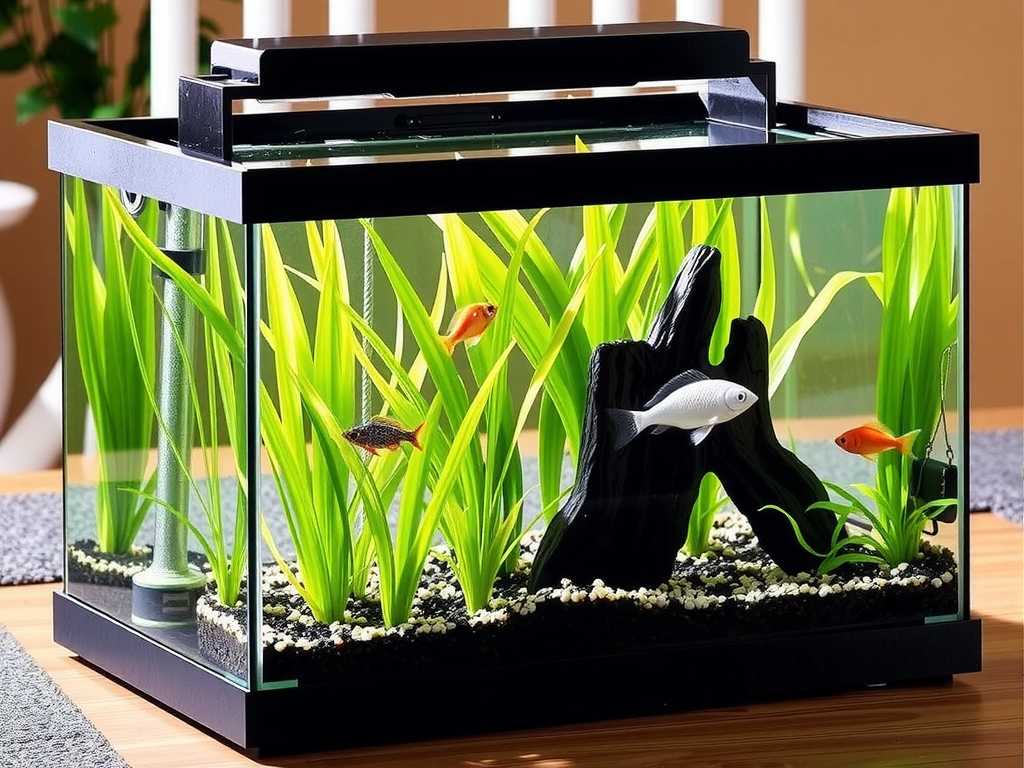
Step 1: Immediate Isolation and Quarantine The single most important action is to move the infected fish to a separate, bare-bottom quarantine or hospital tank. This serves three vital purposes:
- It allows you to treat the fish effectively without harming your display tank’s beneficial bacteria, invertebrates, or delicate corals, as most medications are not reef-safe.
- It prevents the parasite from continuing its life cycle in the main tank.
- It reduces stress on the sick fish by providing a calm environment with excellent water quality.
Step 2: Selecting the Correct Treatment Protocol Treatments must match the parasite. Always follow product labels exactly.
- For Marine Ich and Velvet: Copper-based medications (e.g., cupramine) are a gold standard treatment. You must use a reliable copper test kit to maintain a therapeutic dose (typically 0.15-0.20 ppm for cupramine) for a full 14-30 days to ensure all life stages are eradicated. Alternatively, Chloroquine Phosphate is a highly effective option for these parasites, but requires precise dosing.
- For Flukes: Praziquantel is the treatment of choice. It can be administered as a bath treatment or added to the quarantine tank water. It is generally safe and effective against a broad range of flukes.
- For Brooklynella: Formalin baths are the primary treatment. This involves a short-term dip or bath in a carefully measured formalin solution, followed by transfer to a clean quarantine tank. Due to its toxicity, formalin must be used with extreme caution and proper ventilation.
Step 3: Supportive Care During Treatment Medication alone is not enough. Support the fish’s immune system to help it recover.
- Impeccable Water Quality: Perform frequent small water changes in the quarantine tank using matched salinity and temperature water. Use an ammonia badge or test daily, as medications can impact biological filtration.
- Appetite Stimulation: Offer highly palatable, nutrient-rich foods like live or frozen brine shrimp, mysis shrimp, or garlic-soaked foods to encourage eating.
- Reduce Stress: Keep the tank in a low-traffic area, dim the lights, and provide a PVC pipe or similar object for hiding.
Step 4: Managing the Display Tank While the fish are in quarantine, your main tank must be managed to address the parasite’s life cycle. Since most parasites require a fish host, leaving the display tank fallow (fish-less) for a specific period is the only sure way to eliminate them.
- Fallow Period: For Marine Ich, a minimum of 76 days (11 weeks) at tropical temperatures is recommended to ensure all tomonts have hatched and died without finding a host. For Marine Velvet, 6 weeks is often cited as a minimum, but longer is safer.
Prevention: The Ultimate Strategy The best treatment is always prevention. Establishing a rigorous quarantine protocol for all new fish for a minimum of 4-6 weeks is non-negotiable. During this time, you can observe for signs of illness and treat prophylactically if desired. Maintaining stable salinity, temperature, pH, and undetectable ammonia and nitrite levels through consistent maintenance builds resilient fish less prone to disease.
Frequently Asked Questions
Can I treat my main display tank if it has corals and invertebrates? Most effective parasiticides like copper and formalin are lethal to corals, shrimp, snails, and other invertebrates. They will also destroy your biological filtration. Treating in a separate hospital tank is the only safe and recommended approach for a reef or community tank.
How long should I continue treatment after the spots or symptoms disappear? You must continue the full treatment course as directed, often for 1-2 weeks after the last symptom disappears. Parasites have life cycles, and stopping treatment early will allow remaining juvenile stages to re-infect the fish.
Are there any natural or less invasive treatments for parasites? While methods like hyposalinity (lowering salinity) can be effective against some parasites like Ich in a quarantine setting, they are not always reliable for all parasites and require precise monitoring. UV sterilizers can help reduce free-swimming stages in the water column but are not a standalone cure. There is no safe, effective "natural" cure for established parasitic infections in a marine aquarium that compares to proven medications used in a controlled quarantine environment.
Parasitic infections are a formidable challenge, but they are not insurmountable. Success hinges on a calm, methodical approach: keen observation for early signs, precise identification of the parasite, and the disciplined use of a dedicated quarantine system for treatment. By prioritizing prevention through mandatory quarantine and optimal husbandry, you can dramatically reduce the risk of outbreaks. Remember, your goal is not just to treat a disease, but to foster a stable, thriving ecosystem where your saltwater ornamental fish can exhibit their full beauty and vitality for years to come.
发表评论