 admin
admin How to Treat Mouth Fungus in Saltwater Ornamental Fish: Cure Growths Effectively
Discovering unusual growths on your prized saltwater fish can be a moment of panic for any aquarist. That cotton-like tuft or fuzzy patch around the mouth isn't just unsightly; it's a sign of a potentially serious infection threatening your fish's health and the stability of your entire aquarium. Known colloquially as mouth fungus or mouth rot, this condition demands swift and informed action. This guide will walk you through a comprehensive, step-by-step approach to accurately diagnose, effectively treat, and ultimately prevent these harmful growths, ensuring your marine pets recover fully and thrive.
Understanding the Enemy: What Is "Mouth Fungus"?
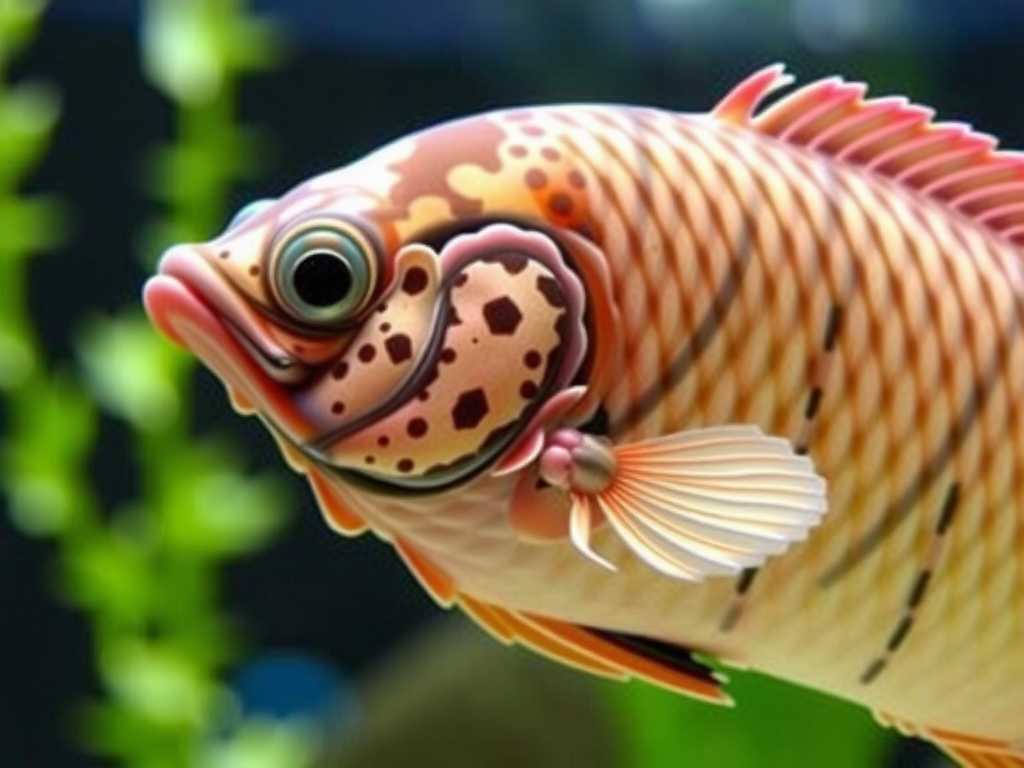
First, it's crucial to clarify a common misconception. The term "mouth fungus" is often a misnomer in saltwater environments. While true fungal infections do occur, the white, fluffy lesions frequently seen around a fish's mouth and head are typically caused by aggressive bacterial infections. The primary culprit is often a bacterium like Flavobacterium columnare, though other gram-negative bacteria can be involved. These pathogens attack damaged tissue, creating a progressive infection that erodes the skin, fins, and underlying muscle, leading to the characteristic fuzzy appearance that resembles mold or fungus. Accurate identification is the cornerstone of effective treatment.
Diagnosis: Is It Really Mouth Fungus?
Before starting any treatment, careful observation is key. Misdiagnosis can lead to using the wrong medication, wasting precious time and stressing the fish further. Look for these primary symptoms:
- Visual Signs: The most obvious sign is a white, gray, or yellowish cotton-wool like growth on the lips, mouth, or head. It may start as a small spot and rapidly expand.
- Behavioral Changes: Infected fish often show lethargy, loss of appetite, rapid breathing (gill movement), and may rub against objects (flashing) in an attempt to relieve irritation.
- Progression: Untreated, the lesion will eat away at the tissue, leading to open sores, frayed fins, and significant tissue loss.
It is highly recommended to consult with a veterinarian specializing in aquatic animals or an experienced marine biologist for a definitive diagnosis, especially in a valuable reef tank. They can perform a microscopic examination to confirm the pathogen type.
Immediate Action: The Quarantine Protocol
Upon suspecting mouth fungus, your first step must be to isolate the affected fish. A hospital tank (quarantine tank) is non-negotiable for several reasons:
- Targeted Treatment: It allows you to treat the sick fish with medications that might harm beneficial bacteria, invertebrates, or delicate corals in your main display tank.
- Prevent Contagion: It contains the infection, preventing its spread to other tank inhabitants.
- Reduced Stress: A quiet, bare-bottom quarantine tank makes it easier to monitor the fish, administer treatment, and maintain pristine water conditions.
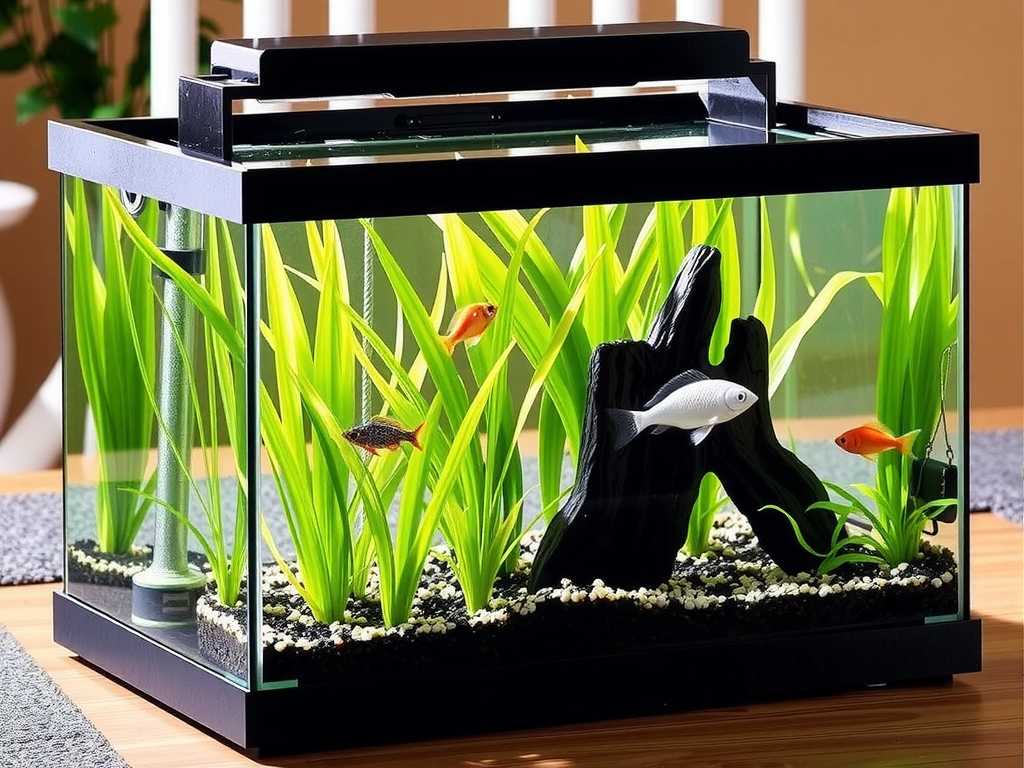
Set up a simple tank with a heater, gentle filtration (like a sponge filter), and no substrate. Use water from your main display tank to minimize osmotic stress. Ensure excellent water quality with zero ammonia and nitrite.
Primary Treatment Strategies for Saltwater Mouth Fungus
Treatment should be multifaceted, addressing both the infection and the underlying causes.
1. Antibacterial Medication (The Core Approach) Since the condition is primarily bacterial, antibacterial medications are the frontline defense. Choose a treatment formulated for saltwater fish.
- Active Ingredients: Look for medications containing antibiotics like Kanamycin, Nitrofurazone, or combinations designed for gram-negative bacteria. Always follow the manufacturer's dosage instructions precisely.
- Water Change Schedule: Most medications require partial water changes between doses to remove organic waste and replenish the medication's potency. Turn off protein skimmers and chemical filtration (carbon) during treatment as they can remove the medicine.
2. Supportive Care and Water Quality Medication alone is not enough. The fish's environment must support healing.
- Impeccable Water Parameters: Maintain perfect water quality in the quarantine tank. Test daily for ammonia, nitrite, nitrate, pH, and salinity. Perform water changes as needed to keep parameters stable. According to a 2022 review in the Journal of Aquatic Animal Health, stable, clean water is the single most critical factor influencing recovery rates from bacterial infections.
- Stress Reduction: Keep the tank in a low-traffic area. Use a dim light or provide hiding places like a simple PVC pipe section.
- Nutritional Support: Try to entice the fish to eat high-quality, vitamin-enriched foods. Soaking food in a supplement containing garlic or vitamins can help boost the fish's immune response and encourage feeding.
3. Adjunctive Treatments
- Salt Dip/Bath: For saltwater fish, a brief freshwater dip can help dislodge external parasites and some bacteria due to osmotic shock. However, this is a stressful procedure and should be done with extreme caution and proper research for your specific fish species. A safer alternative is a mild hyposalinity treatment in the quarantine tank, gradually lowering salinity to around 16-18 PPT, which can stress pathogens. Consult expert guidelines before attempting.
- Topical Application: In severe cases with accessible lesions, some aquarists carefully apply antiseptic solutions like povidone-iodine directly to the growth with a cotton swab, followed by a quick rinse in tank water. This should only be done on a sedated fish by an experienced handler or veterinarian.
Preventing Future Outbreaks: A Proactive Regimen
Curing the current infection is only half the battle. Prevention is paramount for long-term success.
- Quarantine All New Arrivals: Every new fish, coral, or invertebrate should spend a minimum of 2-4 weeks in a separate observation tank. This is the most effective practice to prevent introducing disease.
- Optimize Main Tank Conditions: Chronic stress from poor water quality, aggressive tank mates, or inadequate nutrition suppresses fish immunity. Maintain stable salinity, temperature, and low nutrient levels (nitrate/phosphate).
- Reduce Injury Risks: Ensure tank decor has no sharp edges. Monitor fish aggression and separate bullies promptly.
- High-Quality Diet: Feed a varied, nutrient-rich diet to build strong immune systems.
Frequently Asked Questions
Can mouth fungus spread to other fish in my saltwater tank? Yes, absolutely. The bacteria causing these lesions are highly contagious, especially in the stressful, confined environment of an aquarium. It can spread through direct contact or shared water. Immediate isolation of the affected fish is critical to protect the community.
Is it safe to treat my main display tank with medication? It is generally not recommended. Many antibacterial medications are harmful to beneficial filter bacteria, invertebrates, corals, and macroalgae. Treating in a separate hospital tank is always the safest and most effective approach for targeted care.
How long does it take for a fish to recover from mouth fungus? With early intervention and correct treatment, you may see improvement within a few days. Complete healing of tissues can take several weeks. The recovery speed depends on the infection's severity, the fish's overall health, and the consistency of care. Continue treatment for the full recommended duration, even if symptoms appear to clear, to prevent a relapse.
Successfully treating mouth fungus in saltwater fish requires a calm, systematic approach centered on accurate diagnosis, immediate isolation, and appropriate antibacterial treatment. Remember that pristine water quality is not just a background factor but a active healing agent. By implementing a strict quarantine protocol for all new livestock and maintaining optimal tank conditions, you can dramatically reduce the risk of future outbreaks. Your vigilant care is the key to a healthy, vibrant marine aquarium.
发表评论