 admin
admin How to Choose Lighting for Ornamental Fish Care: Boost Health and Vibrancy
You've spent hours meticulously planning your aquarium, selecting the perfect fish, and creating a beautiful aquascape. Yet, something feels off. Your fish seem less active, their colors are dull, and algae is taking over. The culprit is often overlooked: your aquarium lighting. Choosing the right lighting isn't just about making your tank look pretty; it's a fundamental pillar of ornamental fish health and well-being. The wrong light can stress your fish, disrupt their natural rhythms, and create an environment where problems thrive. This guide will illuminate the path to selecting the perfect lighting system to boost the health, color, and vitality of your underwater community.
Understanding the Role of Light in Your Aquarium
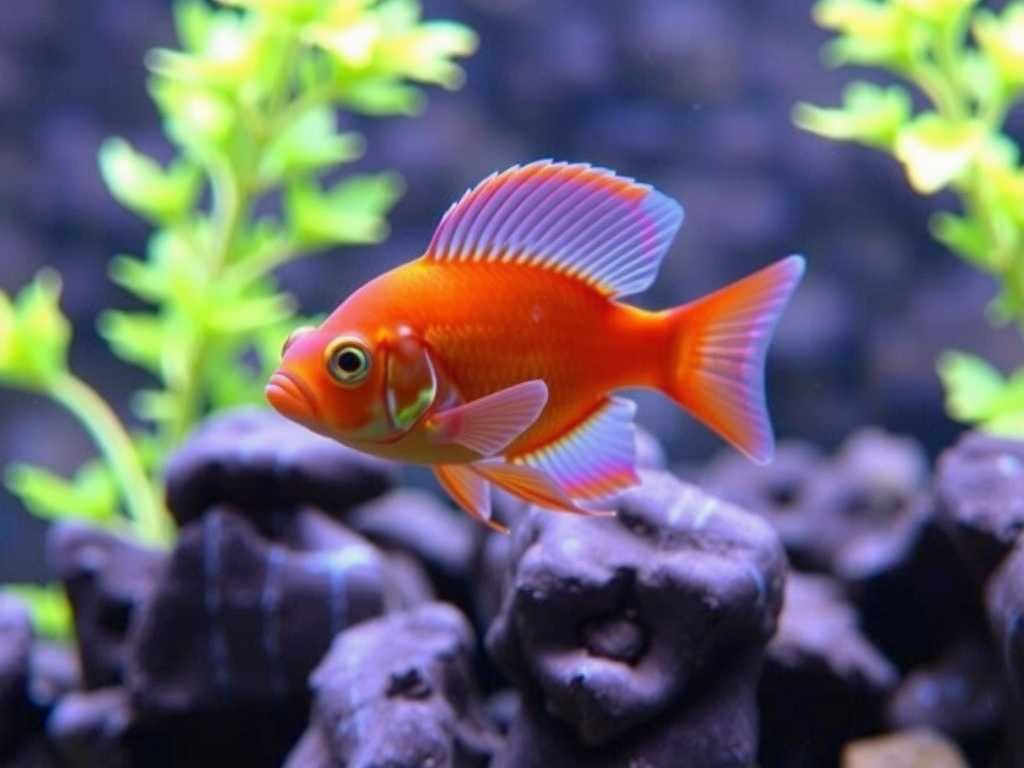
Light in an aquarium serves a dual purpose. For you, it showcases the beauty of your fish and plants. For your aquatic ecosystem, it's a vital environmental cue. Proper lighting regulates fish biological clocks, influencing feeding, breeding, and rest cycles. It directly impacts their stress levels and immune system function. Furthermore, for planted tanks, light is the engine of photosynthesis. The key is to replicate the beneficial aspects of natural sunlight while avoiding its potential harms, such as excessive heat or promoting unwanted algae.
Key Factors for Choosing the Right Aquarium Light
Selecting lighting isn't one-size-fits-all. You must consider several interconnected factors to make an informed choice that supports both ornamental fish health and your tank's specific needs.
1. Assess Your Aquarium's Primary Purpose Your tank's inhabitants dictate your lighting needs.
- Fish-Only Tanks: The focus here is on enhancing fish coloration and behavior. You need light that makes colors pop without causing stress. A moderate-intensity, full-spectrum light is ideal. Avoid very high-intensity lights which can encourage algae without the benefit of supporting plants.
- Planted Tanks: Here, light is a nutrient. Low-light plants like Anubias or Java Fern require less intense light. High-tech planted tanks with carpeting plants need high-intensity, full-spectrum lights to drive growth and photosynthesis. As aquascaping expert Takashi Amano often demonstrated, light is the paintbrush for living underwater art.
- Reef Tanks: Corals host photosynthetic zooxanthellae that require very specific, high-intensity light spectra (strong in blues and violets). LED fixtures with customizable spectrums are the standard for modern reef keeping.
2. Decoding Light Spectrum and Color Temperature The spectrum refers to the range of colors emitted by the light, measured in Kelvin (K).
- Low Kelvin (6500K and below): Produces a yellowish, warm light. Good for simulating a tropical sunset or freshwater habitats.
- Mid-Range Kelvin (6500K to 10,000K): This is the sweet spot for most freshwater planted and community tanks. It offers a crisp, white light that closely mimics midday sun, promoting plant growth and displaying natural fish colors.
- High Kelvin (10,000K and above): Emits a bluish, actinic light. Primarily used in marine and reef tanks to support coral photosynthesis and create that iconic "ocean blue" shimmer.
A study on fish welfare in captive environments notes that spectrum can influence circadian rhythms and stress hormone levels. A balanced, full-spectrum light that includes reds, blues, and greens is generally best for overall fish wellness.
3. Determining Light Intensity and PAR/PPFD Intensity is how bright the light is. For plants, this is measured as PAR (Photosynthetically Active Radiation) or PPFD.
- Low Light: Suitable for fish-only tanks, low-light plants, and tanks with algae issues.
- Medium to High Light: Necessary for demanding plants and reef tanks. However, higher intensity must be balanced with proper fertilization (for plants) and carbon dioxide levels to prevent an algae explosion. Always consider your tank's depth, as light intensity diminishes significantly the deeper it travels through water.
4. Selecting Your Lighting Technology
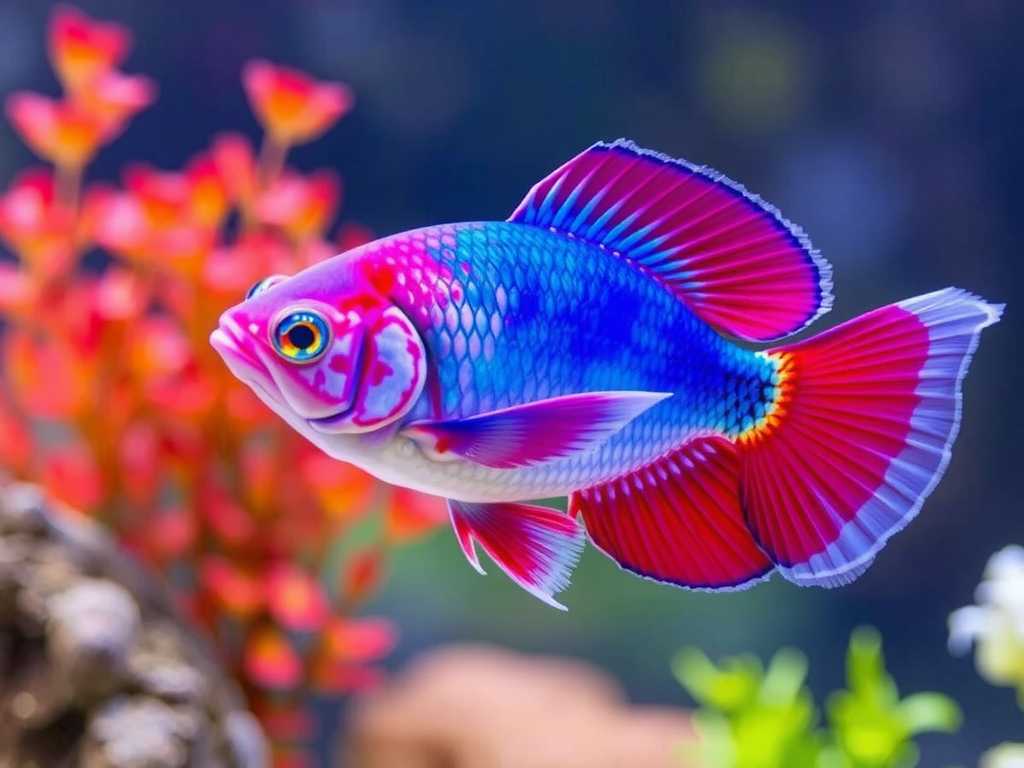
- LED Lights: The modern, energy-efficient champion. They run cool, are long-lasting, and offer unparalleled control over spectrum and intensity. Many models feature programmable sunrise/sunset cycles, reducing stress for fish by avoiding sudden light changes—a key factor in improving ornamental fish health through lighting.
- Fluorescent Tubes (T5/T8): A proven, affordable option providing good, even light distribution. They are excellent for beginner to intermediate planted tanks. However, they consume more energy than LEDs and require bulb replacements annually.
- Metal Halide: An older technology that produces very high-intensity, shimmering light. Once the gold standard for reefs and high-tech planted tanks, they are now largely replaced by high-end LEDs due to their heat output and energy consumption.
Implementing a Healthy Lighting Schedule
Once you have the right fixture, how you use it is critical. Mimicking a natural day/night cycle is non-negotiable for fish health.
- Duration: Aim for 8 to 10 hours of consistent light daily. Using a simple timer ensures regularity, which reduces fish stress.
- Photoperiod Management: Avoid leaving lights on 24/7. Just like you, fish need darkness to rest. Constant light suppresses their immune system and guarantees severe algae problems.
- The "Ramp" Feature: If your LED system allows it, use a gradual ramp-up and ramp-down period (e.g., 30-60 minutes). This simulates dawn and dusk, providing a more natural transition that is less startling for sensitive species.
Common Lighting Mistakes to Avoid
- Overlighting: The most common error. Too much light or too long a photoperiod is the primary fuel for algae blooms.
- Ignoring Fish Origins: Research your fish's natural habitat. Fish from blackwater streams (like many tetras) prefer dimmer, tannin-stained light, while cichlids from African lakes are accustomed to bright light.
- Forgetting the Moonlight: Some advanced LED systems include a moonlight (very low-intensity blue) setting for nighttime viewing. This can benefit nocturnal species without disrupting the diurnal fish's sleep cycle.
Frequently Asked Questions
Can too much light harm my fish? Absolutely. Excessive light is a major stressor. It can lead to faded colors, increased hiding, a weakened immune system, and rampant algae growth which degrades water quality. Always prioritize a consistent, appropriate photoperiod over extended "viewing" hours.
What is the best light for bringing out the colors in my fish? Full-spectrum LED lights in the 6500K-10,000K range are typically best. They render reds, blues, and greens effectively, making colors appear vibrant and natural. Some lights also have specific color-enhancing modes that emphasize certain pigments without harming the fish.
How do I know if my planted tank has enough light? Observe your plant growth and algae. If plants are leggy, melting, or not growing, you likely need more intensity or duration. If you are battling constant algae on the glass and decorations within a few days of cleaning, you likely have too much light. Start with 8 hours at a medium intensity and adjust based on plant response, not algae growth.
Choosing the perfect aquarium lighting is a balance between art and science. It requires understanding the needs of your specific aquatic life, from the shy neon tetra to the demanding coral. By investing in a quality light that offers the correct spectrum, intensity, and control, you do more than just illuminate your tank—you create a stable, natural environment where your ornamental fish can truly thrive. Their enhanced colors, active behaviors, and robust health will be the clearest indicators that you've made the right choice. Remember, in the world of fish care, light is life.

发表评论