 admin
admin How to Care for Small Fish in Ornamental Fish Care: Prevent Stunting
You’ve carefully chosen your small, vibrant fish, expecting them to thrive and display their full, beautiful potential. Yet, months later, something seems off. They aren’t growing as you’d hoped, their colors might be dull, and they lack the energetic spark you first saw. This frustrating phenomenon, where fish stop growing despite being alive, is known as stunting. It’s a silent issue in many aquariums, often mistaken for a fish simply being “small-breed.” Understanding how to care for small fish in ornamental fish care to prevent stunting is crucial for any dedicated aquarist who wants to ensure their pets live long, healthy, and vibrant lives. Stunting isn’t just about size; it’s a sign of chronic stress and poor health that can shorten lifespans and lead to organ failure.
This guide will delve into the science behind stunted growth and provide a clear, actionable roadmap to create an environment where your small fish can flourish.
Understanding Fish Stunting: More Than Just Small Size
Stunting is a biological survival response to chronically unfavorable conditions. When a fish’s basic needs for space, water quality, and nutrition are not met, its body diverts energy from growth and long-term health maintenance to mere survival. Dr. Sandra Brown, a renowned aquatic veterinarian, explains, “A stunted fish isn’t just small; its internal organs often continue to try and grow within a confined body cavity, leading to severe health complications and a significantly reduced lifespan.” Unlike simply being a small species, a stunted fish often has a proportionally larger head and eyes compared to its body, and may exhibit lethargic or stunted behavior.
The key to prevention is proactive, holistic care that addresses all pillars of fish health.
The Foundation: Optimal Tank Size and Environment
The most common myth in fishkeeping is that a small fish equals a small tank. This is the primary catalyst for stunting.
- Space for Growth and Territory: Even small fish need room to swim, explore, and establish natural behaviors. Cramped quarters cause chronic stress, releasing hormones that directly inhibit growth. A general rule is to always provide more space than the minimum suggested for a species.
- The Impact of Water Volume: Larger water volumes are inherently more stable. Toxins like ammonia and nitrite dilute more easily, and temperature fluctuations are minimized. Stability is non-negotiable for healthy metabolism and growth.
- Recommended Minimums: While a single betta might survive in 5 gallons, a group of 10 neon tetras requires a 20-gallon tank to allow for schooling and low-stress living. Always research the adult size and social needs of your specific fish, and plan your tank size accordingly.
Mastering Water Quality: The Invisible Growth Regulator
Impeccable water quality is the non-negotiable bedrock of preventing stunted growth. Poor water directly damages gills and organs, sapping energy needed for development.
- The Nitrogen Cycle is Paramount: A fully cycled tank hosts beneficial bacteria that convert toxic fish waste (ammonia) into less harmful nitrates. Consistently detectable ammonia or nitrite is a major growth stunter. Regular testing with a liquid test kit is essential.
- Key Parameters to Monitor and Maintain:
- Ammonia and Nitrite: Always 0 ppm (parts per million).
- Nitrate: Keep below 20 ppm through regular water changes.
- pH and Hardness: Keep stable within the ideal range for your specific fish species. Sudden swings are highly stressful.
- The Role of Consistent Water Changes: There is no substitute. Weekly partial water changes of 25-30% remove nitrate, dissolved organics, and replenish essential minerals. This routine is arguably the single most effective practice in caring for small ornamental fish to avoid stunted development.
Nutrition for Growth: Quality Over Quantity
Feeding the wrong food, or the right food incorrectly, is a direct path to nutritional stunting.
- Dangers of Overfeeding and Poor Diet: Overfeeding pollutes the water, creating the poor conditions discussed above. More insidiously, low-quality flake foods full of fillers lack the essential proteins, vitamins, and amino acids required for proper tissue and bone development.
- Choosing High-Quality Foods: Invest in premium, species-specific foods. Look for whole ingredients like fish meal, shrimp, and spirulina as primary components. Micropellets, frozen foods (like daphnia or brine shrimp), and live foods provide excellent nutrition.
- Feeding Schedule and Variety: Feed small amounts 2-3 times daily, only what your fish can consume in 60-90 seconds. A varied diet ensures a full spectrum of nutrients. Think of it as building a strong body from the inside out.
Tank Management and Social Harmony
The living environment directly impacts stress levels and, consequently, growth.
- The Critical Importance of Filtration: Your filter is the life support system. It must be rated for your tank’s volume and provide mechanical, chemical, and biological filtration. Never replace all filter media at once, as this destroys the vital bacterial colony.
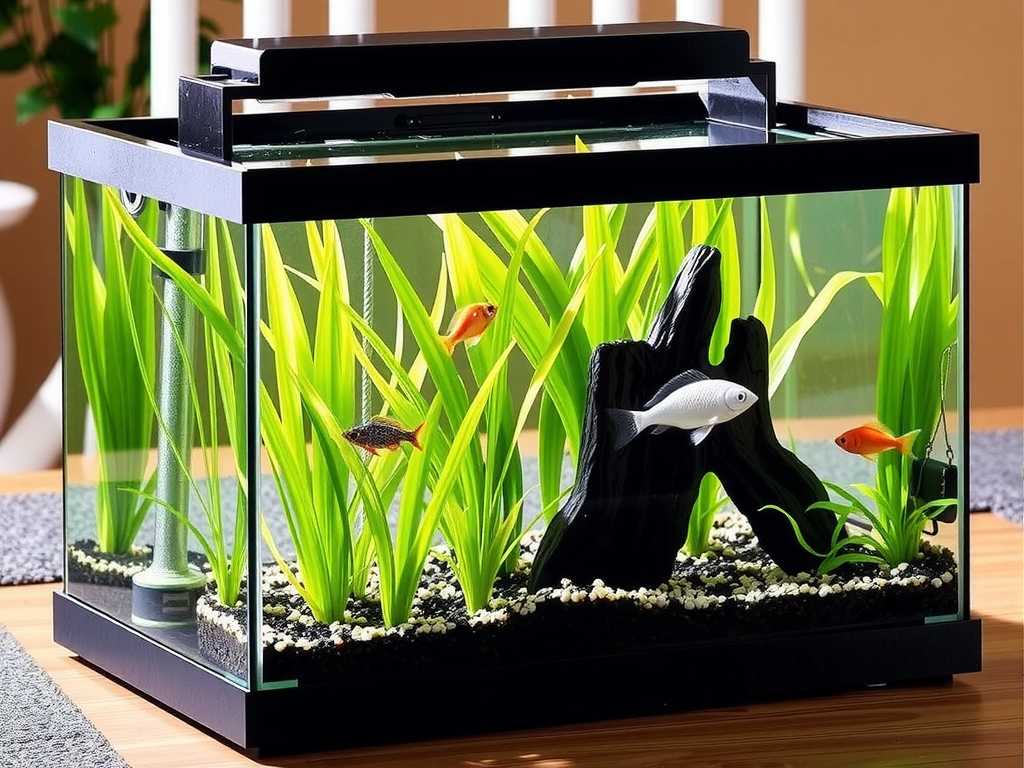
- Creating a Low-Stress Habitat: Provide ample hiding places with plants (live or silk), caves, and driftwood. A secure fish is a less stressed fish. Dim lighting or floating plants can help shy species feel safe.
- Managing Stocking Levels and Aggression: Overcrowding is a recipe for stunting due to waste buildup and competition. Furthermore, ensure your fish are compatible. Constant chasing from tank mates keeps subordinate fish in a perpetual state of stress, halting their growth. Research community dynamics thoroughly.
Recognizing and Addressing Early Signs of Stunting
Vigilance allows for early intervention. Watch for these key indicators of stunting in small aquarium fish:
- Slowed or completely halted growth over several months compared to expected size.
- A misshapen appearance, such as a head or eyes that seem too large for the body.
- Lethargy, lack of interest in food, or dulled coloration.
- Fish that are chronically shy or hide constantly.
If you notice these signs, immediately audit your care routine: test water parameters, review tank size and stock levels, and assess diet. Correcting the underlying cause can sometimes allow for resumed, albeit potentially limited, growth and improved health.
Can a stunted fish ever grow again? If the stunting is recent and the underlying causes are corrected (e.g., moving to a larger tank, perfecting water quality, improving diet), some resumption of growth is possible, especially in younger fish. However, long-term stunting often causes irreversible damage.
How long does it take for a fish to become stunted? It’s a gradual process, not an overnight event. It can take weeks to months of sustained poor conditions. Consistent, high-quality care from the outset is the only guaranteed prevention method.
Are some fish species more prone to stunting than others? Fast-growing, active species like goldfish and many livebearers (e.g., guppies, mollies) are notoriously quick to stunt in small tanks. However, any fish, including small tetras and corydoras, will suffer and stunt if their core environmental needs are neglected.
Ensuring your small fish reach their full potential is a rewarding aspect of the hobby. It requires moving beyond mere survival to providing proactive, enriched care. By prioritizing appropriate space, immaculate and stable water, superior nutrition, and a peaceful environment, you create a foundation not just for growth, but for vitality and longevity. Your aquarium becomes a true ecosystem where every inhabitant can truly thrive, showcasing the natural beauty and behavior that made you choose them in the first place. Remember, in the world of ornamental fish care, prevention is always simpler and more successful than cure.
发表评论