 admin
admin How to Fix Nitrate Spikes in Ornamental Fish Care: A Complete Guide
Discovering a sudden nitrate spike in your aquarium can be a moment of panic for any fish keeper. Your once-clear water may seem unchanged, but invisible chemical imbalances threaten the health of your ornamental fish, causing stress, suppressed immune systems, and even long-term damage. Understanding how to fix nitrate spikes in ornamental fish care is not just about crisis management; it's a fundamental skill for maintaining a thriving, beautiful aquatic ecosystem. This guide will walk you through the causes, immediate solutions, and long-term strategies to master nitrate control.
What Are Nitrates and Why Do They Spike?
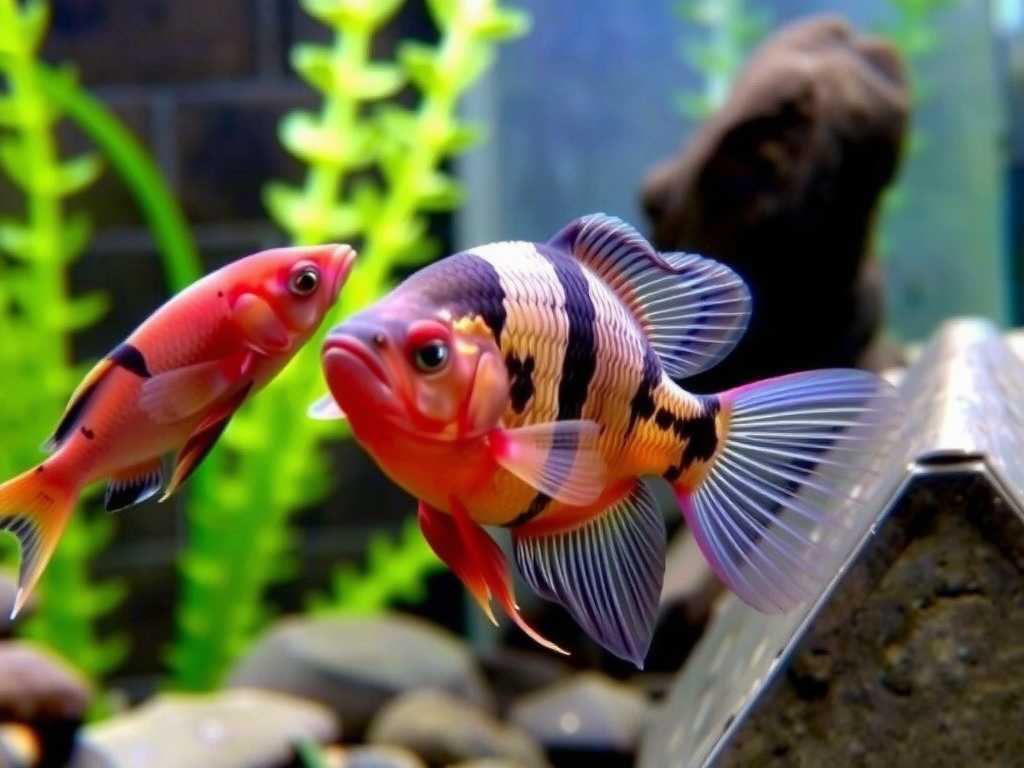
In the nitrogen cycle, beneficial bacteria convert toxic fish waste (ammonia) into nitrite and then into nitrate. While far less toxic than its predecessors, nitrate accumulation is the final product of this cycle. A nitrate spike in fish tanks typically occurs when this final product isn't adequately removed. Levels above 20-40 ppm (parts per million) for most ornamental fish, and much lower for sensitive species, signal a problem.
The primary culprits are overfeeding, overstocking, infrequent water changes, and decaying organic matter like dead plants or uneaten food. As noted by aquatic veterinarian Dr. Jessie Sanders, "Chronic exposure to elevated nitrate is a constant stressor on fish osmoregulation, making them vulnerable to opportunistic diseases that they would otherwise fight off."
Immediate Actions to Combat a Dangerous Nitrate Spike
When your test kit reveals high nitrate levels, swift and calm action is required. Follow these steps to stabilize your aquarium.
Perform a Series of Partial Water Changes
The most direct and effective method to lower nitrate levels quickly is through water changes. Do not change all the water at once, as this can shock your fish.
- Start with a 25-30% water change using dechlorinated water that matches the tank's temperature.
- Test the nitrate levels again after a few hours.
- If levels remain high, perform another 20% change the next day. This sequential approach safely dilutes the nitrate concentration.
Deep Clean the Substrate and Filter
Nitrates accumulate in detritus. Use a gravel vacuum during your water change to thoroughly siphon waste from the substrate. Briefly rinse filter media in a bucket of removed tank water—never tap water—to preserve beneficial bacteria while removing organic sludge. Check behind decorations and inside caves for trapped debris.
Add Fast-Growing Live Plants
Live aquatic plants are natural nitrate filters. Species like hornwort, water wisteria, floating water lettuce, or pothos (with roots in the water) absorb nitrates as fertilizer, using them for growth. Introducing several plants provides an immediate biological assist in nitrate uptake.
Long-Term Strategies for Sustainable Nitrate Control
Preventing future spikes is the hallmark of expert ornamental fish care. Implement these practices to create a self-regulating system.
Master the Feeding and Stocking Balance
Feed only what your fish can consume in two minutes, once or twice a day. Remove any uneaten food promptly. Furthermore, responsibly stock your aquarium. The "one inch of fish per gallon" rule is a novice guideline; research the adult size and bioload of each species. An understocked tank is always easier to manage.
Establish a Consistent Water Change Routine
There is no technological substitute for fresh water. A weekly water change of 15-25% is the cornerstone of nitrate management. This habit physically removes nitrate before it can concentrate and replenishes essential minerals. Consistency is far more effective than sporadic, large changes.
Optimize Your Filtration System
Ensure your filter is rated for your tank's volume and consider media that targets nitrates.
- Chemical Filtration: Specialized nitrate-absorbing resins or pads can be placed in your filter. These are effective but require regular replacement as they become exhausted.
- Biological Filtration: Enhance the capacity of your biological filter. Porous ceramic media or sponge provides vast surface area for beneficial bacteria to colonize, ensuring efficient processing of ammonia and nitrite.
Consider a Dedicated Nitrate-Removing Method
For heavily stocked tanks or those with sensitive species like discus, advanced methods may be necessary.
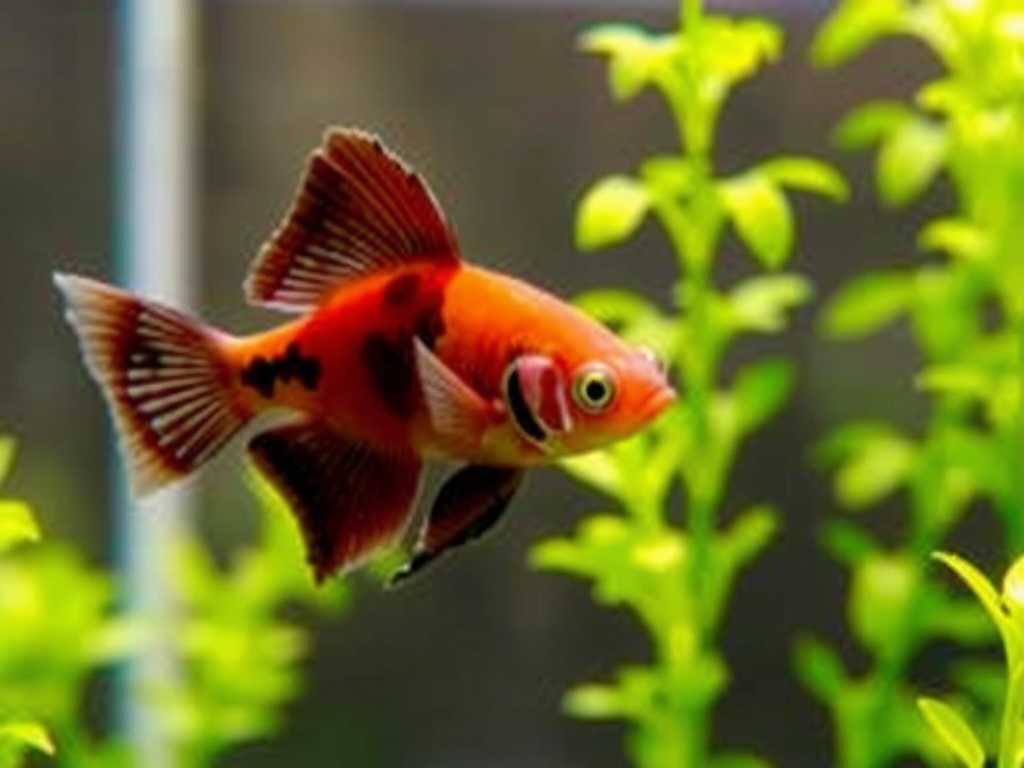
- Refugium or Algae Scrubber: A separate compartment with macroalgae (like Chaetomorpha) or a scrubber screen grows algae using nitrate and phosphate, which you then physically remove from the system.
- Carbon Dosing: This advanced technique involves carefully adding a carbon source (like vodka or vinegar) to promote the growth of denitrifying bacteria that convert nitrate into nitrogen gas. It requires precise dosing and monitoring.
Leverage Technology for Monitoring
Don't guess—test. Invest in a reliable liquid-based test kit. Test for nitrate weekly, logging the results to understand your tank's unique trends. This data allows you to adjust your maintenance schedule proactively, not reactively.
FAQ: Your Nitrate Questions Answered
What is a safe nitrate level for a community aquarium? Aim to keep nitrates below 20 ppm for a general community tank. For fish breeding setups, reef tanks, or sensitive species (e.g., discus, certain tetras), the target should be below 10 ppm. The only truly safe level is what your specific livestock evolved to tolerate.
Can high nitrate kill fish suddenly? Acute nitrate poisoning from a massive spike is rare but possible, especially in very young or stressed fish. The greater danger is chronic exposure, which slowly compromises the immune system, leading to fin rot, ulcers, or chronic stress that culminates in death. It's a silent threat rather than a sudden killer.
Why are my nitrates high even after a water change? This indicates a persistent source problem. Common reasons include nitrate in your tap water (test it!), a heavily dirty filter or substrate acting as a nitrate factory, or severe overstocking/overfeeding. The water change provides temporary relief, but the root cause must be addressed.
Success in ornamental fish care hinges on viewing your aquarium as a complete ecosystem. Managing nitrate is not a single task but a series of interconnected habits: feeding thoughtfully, changing water diligently, filtering effectively, and observing closely. By embracing both the immediate solutions for how to fix nitrate spikes and the long-term practices for prevention, you move from simply keeping fish to cultivating a vibrant, healthy underwater world. Your fish will reward you with vibrant colors, natural behaviors, and long, healthy lives.
发表评论