 admin
admin How to Choose Hardy Fish in Ornamental Fish Care: Your Guide to a Low-Maintenance Aquarium
Starting an aquarium can feel overwhelming. You dream of a beautiful, serene underwater world, but you're worried about the time, cost, and heartbreak that can come with caring for delicate fish. The fear of frequent water changes, complex diets, and sudden fish loss stops many beginners before they even begin. What if you could build a thriving aquatic ecosystem that fits your busy lifestyle? The secret lies in making the right first choice: selecting hardy, low-maintenance fish. This guide is designed to help you do exactly that, ensuring your journey into ornamental fish care is joyful and sustainable.
Understanding What Makes a Fish "Hardy"
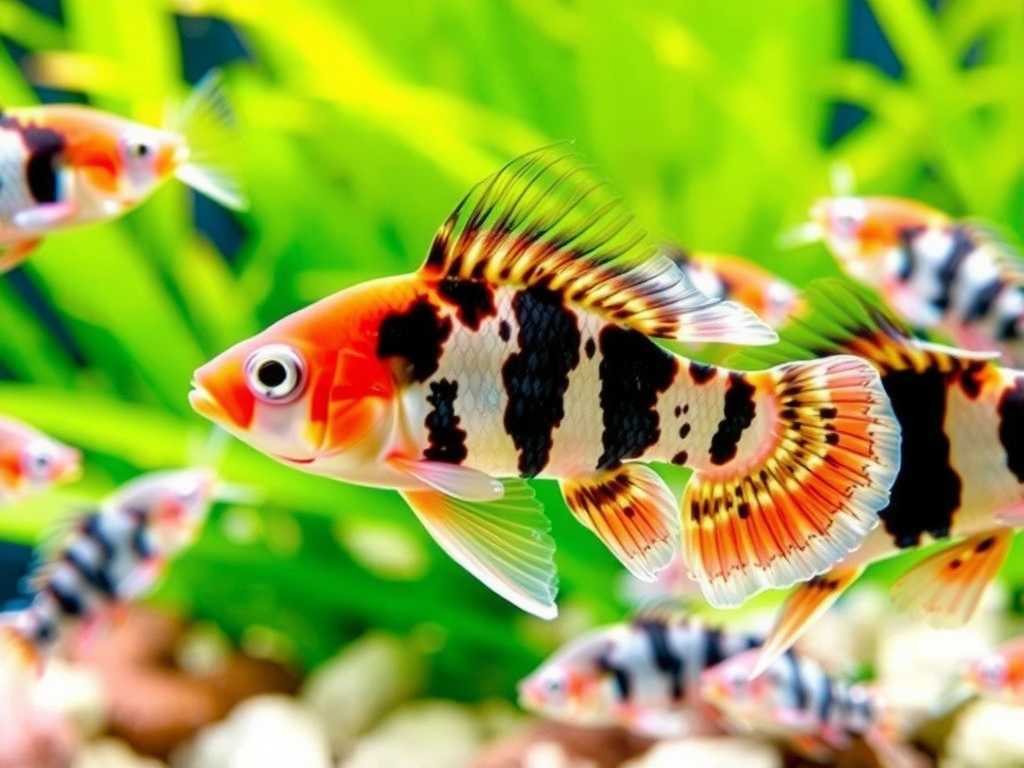
Before you visit the store, it's crucial to know what "hardy" truly means in the aquarium hobby. Hardy fish are resilient. They possess a robust constitution that allows them to tolerate minor fluctuations in water conditions—a common occurrence in new and established tanks alike. These fluctuations can include slight shifts in temperature, pH, or ammonia levels. According to seasoned aquarist and author Carl Strohmeyer, "Hardy species have a wider range of environmental tolerance, making them forgiving of beginner errors that would prove fatal to more sensitive specimens."
This resilience often translates to stronger immune systems and adaptable feeding habits. While no fish is indestructible, choosing hardy varieties provides a crucial buffer as you learn the rhythms of aquarium maintenance.
Key Factors for Choosing Your Low-Maintenance Fish
Your goal is to match the fish's needs with your ability to provide a stable environment. Focus on these non-negotiable factors.
Assessing Your Aquarium Environment The single most important step happens before you buy any fish. You must know your tank's parameters. A small 10-gallon tank has different suitable residents than a 20 or 50-gallon setup. Furthermore, fish have specific needs for water temperature (tropical vs. coldwater), pH (acidic vs. alkaline), and hardness. Investing in a basic liquid test kit is not optional; it's the foundation of low-maintenance fish care. A stable, cycled tank is the ultimate tool for reducing maintenance headaches.
Prioritizing Peaceful Community Fish For a serene, low-stress tank, select fish known for their peaceful temperament. Aggressive fish can cause constant stress, leading to disease, hiding, and a disrupted ecosystem—the opposite of low-maintenance. Peaceful community fish coexist well with others, allowing you to create a diverse and interesting aquarium. This approach minimizes conflict and creates a healthier environment for all inhabitants.
Selecting Fish with Simple Dietary Needs The easiest fish to care for are not picky eaters. Look for species that readily accept high-quality commercial flakes, pellets, or frozen foods. While supplementing diet is beneficial, a fish that requires live food or very specific, hard-to-find items adds a layer of complexity and potential failure. Hardy fish are typically omnivores or easy-going carnivores that thrive on a staple of reliable, nutritionally complete foods.
Top Hardy Fish Recommendations for Beginners
Here are some proven, resilient species that excel in community tanks and forgive common beginner mistakes.
The Resilient Livebearers: Guppies, Platies, and Mollies Livebearers are often the poster children for hardy aquarium fish. Guppies dazzle with color, platies offer a wide variety of patterns, and mollies have a substantial, graceful presence. They are exceptionally adaptable to various water conditions. A key consideration is their breeding rate; they give birth to live young. While fascinating, be prepared for population growth. Keeping groups of the same sex is a simple solution for a low-maintenance aquarium.
The Classic and Charismatic: Zebra Danios and White Cloud Mountain Minnows If you seek active, schooling fish that add dynamic movement, these are perfect. Zebra Danios are virtually bulletproof, tolerating a wider temperature range than many tropical fish. White Cloud Mountain Minnows are one of the few truly coldwater hardy fish, not requiring a heater in room-temperature homes. Both species are peaceful, thrive in groups of six or more, and their constant activity is a joy to watch.
The Essential Clean-Up Crew: Corydoras Catfish and Certain Plecos No guide to low-maintenance fish is complete without these bottom-dwelling helpers. Corydoras catfish, like the Bronze or Panda Cory, are adorable, peaceful scavengers that cruise the substrate for leftover food. They must be kept in groups. For algae control, species like the Bristlenose Pleco are excellent, hardy choices that stay a manageable size. They contribute to tank cleanliness, reducing your manual workload.
Building and Maintaining Your Hardy Fish Community
Choosing the fish is only part of the equation. Setting them up for success is how you ensure true low-maintenance care.
The Critical Importance of Quarantine Introducing new fish directly to your main tank is the biggest risk to your aquatic community. A separate, simple quarantine tank used for 2-4 weeks allows you to observe new arrivals for illness without endangering your established fish. This one practice, emphasized by all expert breeders, prevents countless disasters and is the hallmark of a responsible, savvy aquarist.
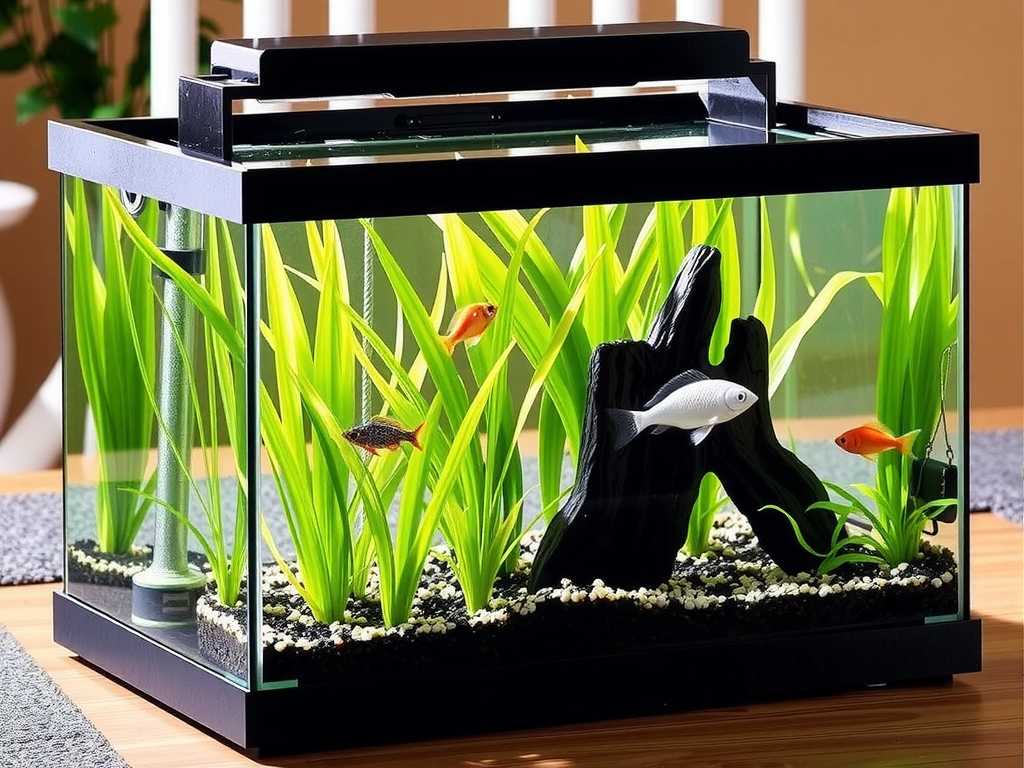
Creating a Stable Habitat with Plants and Hiding Spots Hardy fish still experience stress. A tank with live plants like Java Fern or Anubias (which are also low-maintenance), caves, and driftwood provides security. This reduces stress, boosts immune systems, and mimics a natural environment. A comfortable fish is a healthy fish, and a healthy fish requires less intervention from you.
Consistent, Simple Maintenance Routines "Low-maintenance" does not mean "no-maintenance." A stable routine is easier than emergency fixes. Weekly partial water changes of 10-25%, vacuuming the gravel, and cleaning the filter media in old tank water will keep parameters perfect for your hardy stock. Feeding small amounts once or twice a day, with one fasting day per week, promotes health and keeps water cleaner.
What are the most hardy fish for a completely new beginner? For a first tank, you can't go wrong with a small school of Zebra Danios or White Cloud Mountain Minnows, paired with a group of Corydoras catfish. These fish are exceptionally tolerant, have straightforward needs, and exhibit interesting natural behaviors that make care rewarding.
Can I mix different types of hardy fish together? Absolutely, this is the goal of a community tank. The key is to ensure their environmental needs (temperature, pH) align and that their temperaments are compatible. Always research each species' adult size and space requirements to avoid overcrowding. A combination of top-dwelling swimmers (like danios), mid-water fish (like livebearers), and bottom dwellers (like corydoras) creates a balanced and fascinating tank ecosystem.
How many hardy fish can I put in my tank? A good, conservative rule is the "one inch of fish per gallon of water" guideline for small community fish, considering the fish's adult size. Always understock rather than overstock, especially at the beginning. A less crowded tank has cleaner water, less aggression, and is fundamentally easier to manage. Your fish will be healthier and more active with ample space.
Selecting hardy fish is the wisest first investment you can make in your aquarium hobby. It builds your confidence, reduces your workload, and creates a resilient foundation for a beautiful underwater world. By understanding the principles of hardiness—focusing on environmental stability, peaceful temperaments, and simple diets—you empower yourself to make informed choices. Remember, success comes from pairing these robust fish with consistent, basic care. Start with the resilient species, master the fundamentals of water quality and routine maintenance, and you'll be rewarded with a vibrant, low-maintenance aquarium that brings peace and enjoyment for years to come.
发表评论