 admin
admin How to Treat Columnaris in Ornamental Fish Care: Cure Cotton Wool Disease
Discovering a fuzzy, cotton-like patch on your beloved betta or angelfish is a heart-sinking moment for any aquarium hobbyist. This unsightly growth, often mistaken for a simple fungus, is frequently the hallmark of a far more aggressive and deadly enemy: Columnaris disease. Caused by the Flavobacterium columnare bacteria, this fast-moving infection can decimate a tank population in just 48-72 hours if left untreated. Understanding how to treat Columnaris in ornamental fish care is not just a skill—it’s an essential rescue mission. This guide will walk you through precise identification, immediate action steps, and proven treatment protocols to cure this “cotton wool” scourge and restore your aquarium’s health.
Understanding the Enemy: What is Columnaris Disease?
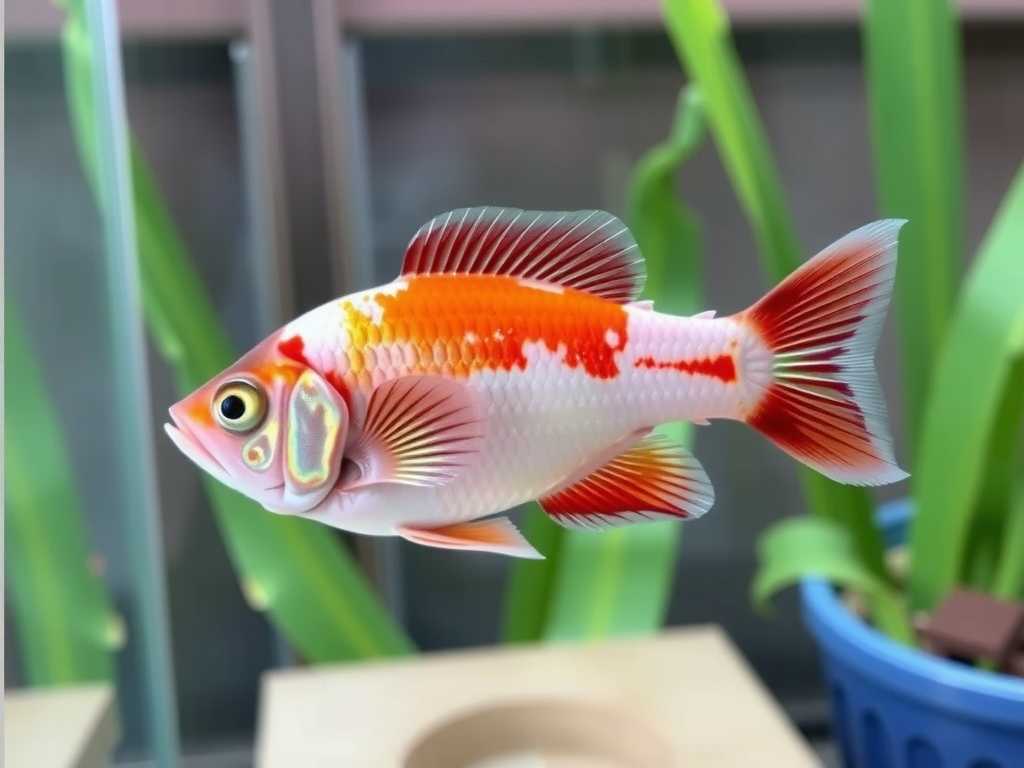
Columnaris is a bacterial infection, not a true fungus, despite its common nickname “Cotton Wool Disease” or “Mouth Fungus.” The Flavobacterium columnare bacterium is ever-present in most aquatic environments but becomes a lethal threat when fish are stressed or injured. It attacks the skin, fins, and gills, leading to rapid tissue erosion and respiratory failure. Dr. Jessie Sanders, a renowned aquatic veterinarian, notes, “Columnaris is often a secondary invader. The primary issue is almost always an underlying stressor compromising the fish’s immune system, such as poor water quality or sudden temperature shifts.”
Accurate identification is your first critical step. Look for these key symptoms:
- White/Grayish Patches: The classic sign is a raised, fuzzy, or slimy lesion that resembles a moldy cotton ball, commonly starting around the mouth, edges of fins, or on the back.
- Saddleback Lesion: A distinct, saddle-shaped lesion across the dorsal musculature near the dorsal fin is a telltale sign.
- Fin and Mouth Erosion: Fins may appear ragged or melted, and the mouth can look eaten away.
- Gill Damage: Labored breathing, gasping at the surface, and pale or necrotic (dead) gill tissue indicate a severe, often fatal, gill infection.
Immediate First Response: Isolate and Assess
At the first sign of suspected Columnaris, time is of the essence. Your initial actions can dramatically influence the outcome.
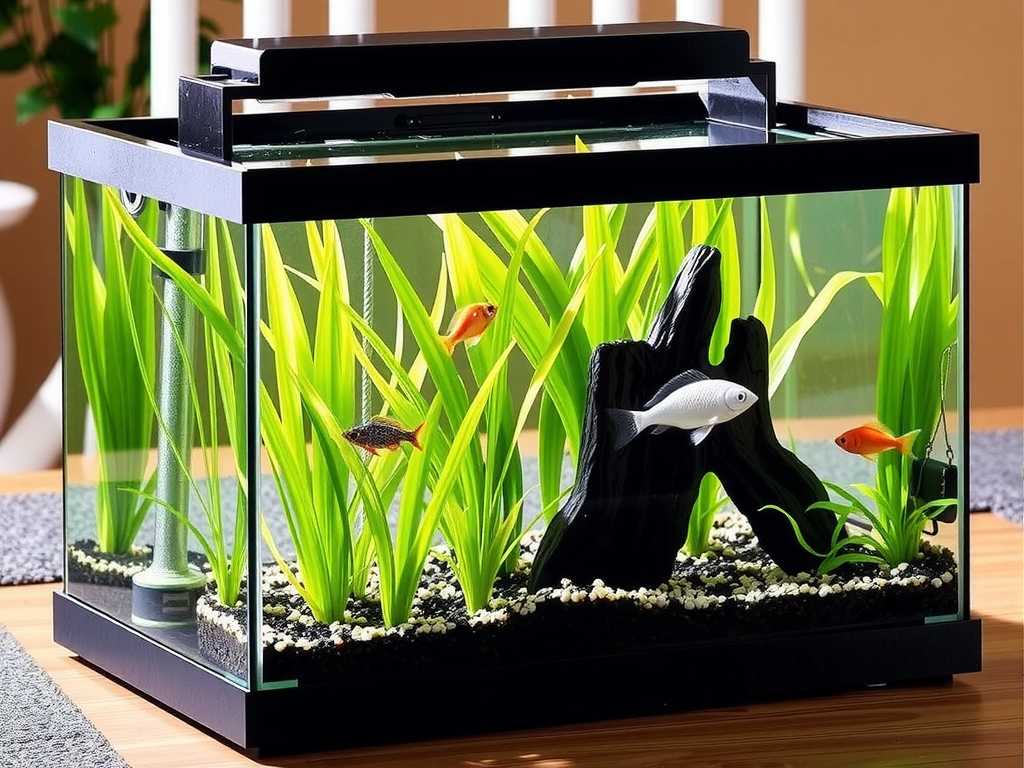
- Set Up a Hospital Tank: Immediately move the affected fish to a bare-bottom quarantine tank with mature, filtered, and heated water. This isolates the sick individual, prevents the spread of bacteria, and allows for targeted treatment without harming your main tank’s biological filter or invertebrates.
- Perform a Water Test: Test the water parameters in your main display tank. High ammonia, nitrite, or nitrate levels are frequent culprits that trigger Columnaris outbreaks. A 2023 industry report on aquarium health indicated that over 60% of disease outbreaks are preceded by a detectable decline in water quality.
- Reduce Stress: Dim the lights on both tanks and ensure optimal, stable water temperature. Avoid handling the fish unnecessarily.
Effective Treatment Protocols to Cure Cotton Wool Disease
Treatment must be aggressive and multifaceted, targeting the bacteria while supporting the fish. Always confirm diagnosis and consider consulting a vet for severe cases.
Method 1: Medicated Baths and Antibiotics For confirmed bacterial Columnaris, specific medications are required.
- Antibacterial Treatments: Use medications containing active ingredients like Kanamycin, Nitrofurazone, or Oxytetracycline. These are effective against gram-negative bacteria like F. columnare. Follow the manufacturer’s dosage instructions precisely and complete the full course, even if symptoms improve earlier.
- Salt as a Support: For mild cases or as a supportive measure, a salt bath (1-3 teaspoons of aquarium salt per gallon in the hospital tank) can help reduce osmotic stress and mildly inhibit bacterial growth. Note: Salt is not a standalone cure for advanced Columnaris.
Method 2: Water Parameter Optimization and Supportive Care Creating an environment hostile to bacteria and supportive of healing is crucial.
- Lower the Temperature: If your fish species allows, gradually lower the water temperature in the hospital tank to the lower end of their comfort range (e.g., 72-75°F for many tropical species). Flavobacterium columnare reproduces more rapidly in warmer waters.
- Impeccable Water Quality: Perform small, daily water changes (10-25%) in the hospital tank using pre-treated, temperature-matched water to remove bacterial load and waste.
- High-Quality Diet: Offer easily digestible, vitamin-rich foods to bolster the fish’s immune system during recovery.
Preventing Future Outbreaks: A Proactive Care Strategy
Successfully curing an outbreak is only half the battle. Preventing recurrence is the cornerstone of expert ornamental fish care.
- Quarantine All New Arrivals: Isolate new fish, plants, or invertebrates in a separate tank for a minimum of 2-4 weeks. This is the single most effective practice to prevent introducing diseases.
- Master Consistent Maintenance: Stick to a regular schedule of partial water changes, filter maintenance, and gravel vacuuming. Stable, pristine water is the best preventive medicine.
- Minimize Stress Factors: Avoid overcrowding, ensure compatible tank mates, and provide ample hiding spaces. Acclimate fish slowly to any new environment.
Can Columnaris spread to other fish, and how fast? Yes, Columnaris is highly contagious and can spread through shared water, equipment, or direct contact. Some virulent strains can cause mortality within 24-48 hours, making immediate isolation and treatment critical.
Is aquarium salt alone enough to treat Columnaris? For very early, mild, external cases, salt can be a helpful supportive treatment. However, for moderate to severe infections, especially those showing gill involvement or rapid progression, salt is insufficient. A targeted antibacterial medication is almost always necessary to effectively cure Cotton Wool Disease.
How long should I treat my fish and keep it in quarantine? Continue the full course of medication as directed, typically 5-10 days. After symptoms have completely resolved, keep the fish in the hospital tank for an additional 7-10 days of observation while maintaining excellent water quality to ensure no relapse occurs before reintroduction.
Columnaris disease demands respect, swift action, and a comprehensive approach. By learning to accurately identify its signs, implementing an immediate isolation and treatment plan, and committing to flawless preventative aquarium management, you can overcome this daunting challenge. The key lies in understanding that treatment extends beyond medication—it encompasses creating a stable, low-stress environment where your ornamental fish can thrive. With vigilance and informed care, you can protect your aquatic community from the threat of Cotton Wool Disease and enjoy a healthy, vibrant aquarium for years to come.

发表评论