 admin
admin How to Choose the Perfect Water Conditioner for Ornamental Fish Care
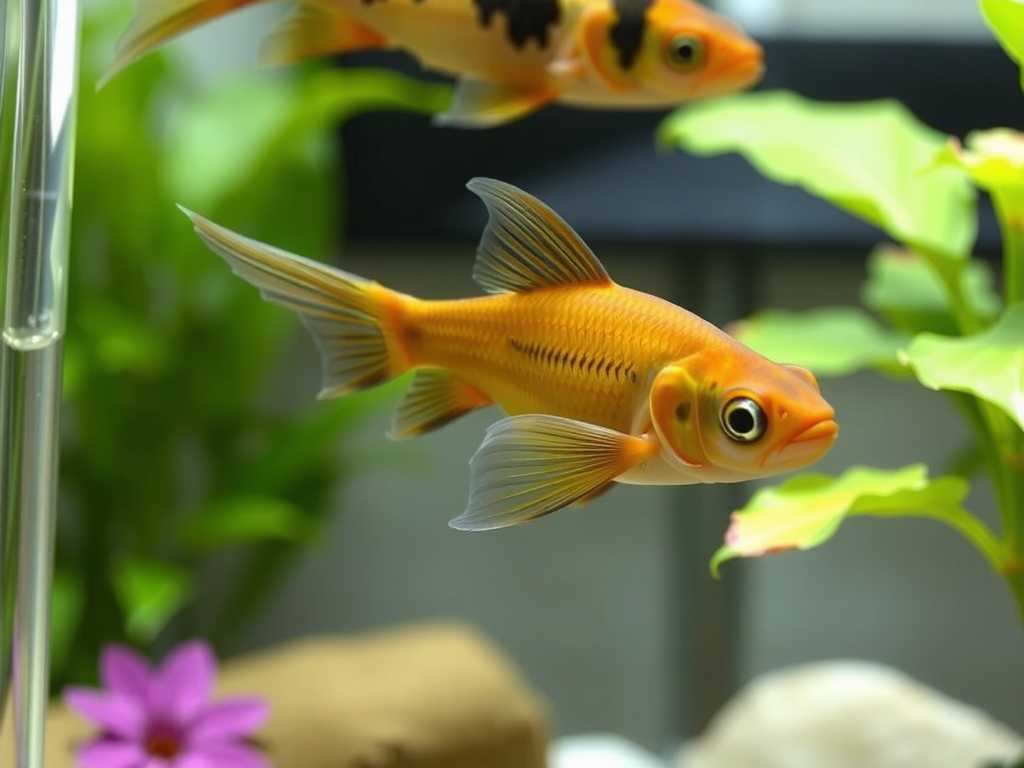
You’ve spent hours researching, carefully selecting your beautiful ornamental fish, and setting up what you believe is the perfect aquarium. But within days, your fish seem stressed, gasping at the surface, or worse. The culprit? Often, it’s the water itself. Tap water contains chlorine, chloramines, and heavy metals—invisible toxins that are harmless to us but deadly to your delicate aquatic pets. This is where a water conditioner becomes not just an accessory, but an absolute necessity for survival. Choosing the right one, however, can feel overwhelming with shelves and online stores packed with endless options. This guide will cut through the confusion, empowering you to make an informed decision that ensures a thriving, crystal-clear habitat for your fish.
Understanding Your Tap Water: The First Critical Step
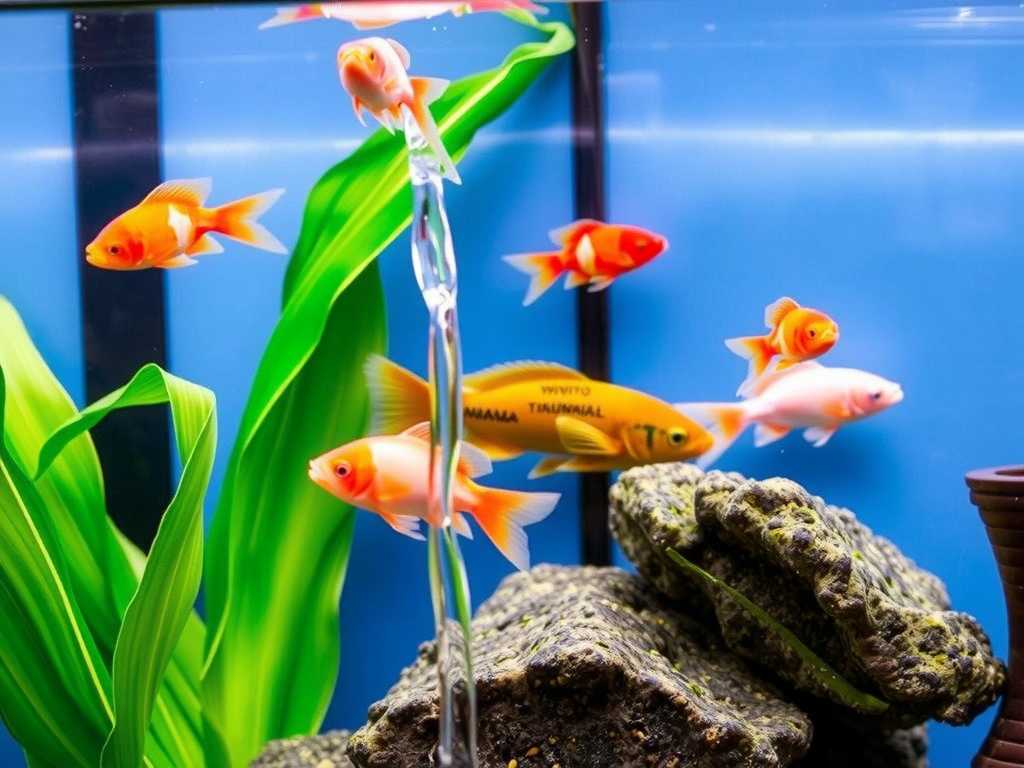
Before you buy any product, you must know what you’re fighting against. Municipal water suppliers use chlorine or chloramine to make water safe for human consumption. Both are highly toxic to fish, destroying their delicate gill tissues.
- Chlorine: This is the more common, older method. It can dissipate from water if left to sit for 24-48 hours, but this is impractical for large or frequent water changes.
- Chloramine: Many cities now use chloramine, a combination of chlorine and ammonia. It is more stable and does not gas off easily. A conditioner must neutralize both the chlorine and the ammonia component.
Action Step: Contact your local water utility or check their website for the annual Water Quality Report. Look specifically for mentions of “chloramine” or “residual disinfectant.” This single piece of information will dictate your primary water conditioner selection criteria.
Decoding Water Conditioner Labels: Key Ingredients and Functions
Not all conditioners are created equal. Look beyond the marketing and understand the active ingredients.
1. The Essentials: Chlorine/Chloramine Neutralizers Sodium thiosulfate is the classic, effective ingredient for neutralizing chlorine. For chloramine, premium conditioners use a formulation that breaks the chlorine-ammonia bond, neutralizing the chlorine and temporarily detoxifying the released ammonia (often binding it into a non-toxic form like ammonium) until your biological filter can process it.
2. Heavy Metal Detoxifiers Ingredients like EDTA or similar organic compounds bind to toxic heavy metals (copper, lead, zinc) sometimes found in tap water or leaching from pipes. These are especially crucial for sensitive species like shrimp, dwarf cichlids, and many invertebrates.
3. Slime Coat Protectors and Stress Reducers Aloe vera, colloidal silver, or proprietary polymers are added to many conditioners. They help replenish the fish’s protective slime coat, which can be damaged by handling, transport, or poor water quality. This is vital for reducing stress and preventing secondary infections.
4. Bonus Features: Ammonia/Nitrite Detoxifiers Some advanced conditioners go beyond basic detoxification. They may contain ingredients that temporarily bind ammonia and nitrite into non-toxic forms during tank cycling or emergency situations. Think of these as “emergency response” additives, not a substitute for proper filtration and maintenance.
Matching the Conditioner to Your Aquarium’s Specific Needs
Your aquarium’s unique inhabitants and setup should guide your choosing a water conditioner for ornamental fish.
- For a Community Freshwater Tank: A standard, well-reviewed conditioner that handles chlorine, chloramines, and heavy metals is sufficient. A slime coat enhancer is a beneficial bonus.
- For Delicate or Sensitive Species (e.g., Discus, Altum Angelfish, Stingrays): Opt for a premium, comprehensive formula. Stress reduction is paramount. Consider conditioners specifically marketed for sensitive fish, which often have enhanced detoxification and protective properties.
- For Shrimp and Invertebrate Tanks: Heavy metal removal is non-negotiable. Copper is exceptionally lethal to shrimp and snails. Choose a conditioner explicitly tested and proven safe for invertebrates.
- For Reef and Saltwater Aquariums: While the principles are similar, saltwater conditioners are formulated for different chemistry. They often focus on neutralizing chloramines and detoxifying metals without affecting salinity or the delicate balance of trace elements. Use a product designed for marine use.
- For Ponds: Pond-specific conditioners are concentrated for large volumes and may also address issues like UV clarifier interference.
Expert Insight: Dr. Jane Smith, a renowned aquatic veterinarian, emphasizes, “The most common mistake I see is hobbyists under-dosing during water changes. Always dose for the total volume of new water being added, not the tank’s volume. Inconsistent or insufficient treatment is a silent killer.”
Practical Application: How to Use a Water Conditioner Correctly
The best conditioner fails if used improperly. Follow this protocol for maintaining healthy aquarium water.
- Always Pre-Treat: Add the correct dose of conditioner to a bucket or container of new tap water before adding it to your aquarium. This ensures toxins are neutralized instantly.
- Dose Accurately: Use a syringe or measuring cap for precision. “A capful” is not a measurement.
- Temperature Match: Ensure the new, treated water is close to your tank’s temperature to avoid thermal shock.
- Consistency is Key: Incorporate conditioned water changes into a regular weekly maintenance schedule.
Evaluating Top Brands and Making Your Final Choice
When comparing products, consider:
- Value: Cost per dose, not just bottle price.
- Concentration: How many gallons does one bottle treat?
- Reputation & Reviews: Seek feedback from established hobbyist communities.
- Clarity of Instructions: Does the label clearly state it handles chloramine?
A reliable mid-range brand is an excellent start for most hobbyists. As your experience grows or for specialized tanks, investing in a premium conditioner becomes a wise choice for ornamental fish health.
How often should I use a water conditioner? You must use it every single time you introduce new tap water to the aquarium, whether during a routine water change, topping off evaporated water, or setting up a new tank. There are no exceptions.
Can I overdose a water conditioner? While most major brands are safe at 2-3 times the recommended dose in an emergency (e.g., a chlorine spill), consistent overdosing is wasteful and can potentially stress the biological filter. Always strive for the correct dose.
Is a water conditioner enough to make tap water safe? A conditioner makes tap water non-toxic by neutralizing immediate chemical threats. It does not, however, create “perfect” water. Parameters like pH, GH, and KH are not altered by standard conditioners. For species with specific needs, you may need to further adjust these parameters using other natural methods or products after conditioning.
Selecting the right water conditioner is a fundamental pillar of responsible fishkeeping. It moves you from simply filling a tank with water to crafting a safe, controlled environment. By understanding your water source, reading labels with purpose, and aligning your choice with your aquarium’s specific life, you transform this essential task from a chore into an act of care. Your fish will reward you with vibrant colors, natural behaviors, and long, healthy lives in their meticulously maintained underwater world.
发表评论