 admin
admin How to Keep Tanks Algae-Free in Ornamental Fish Care: A Long-Term Guide
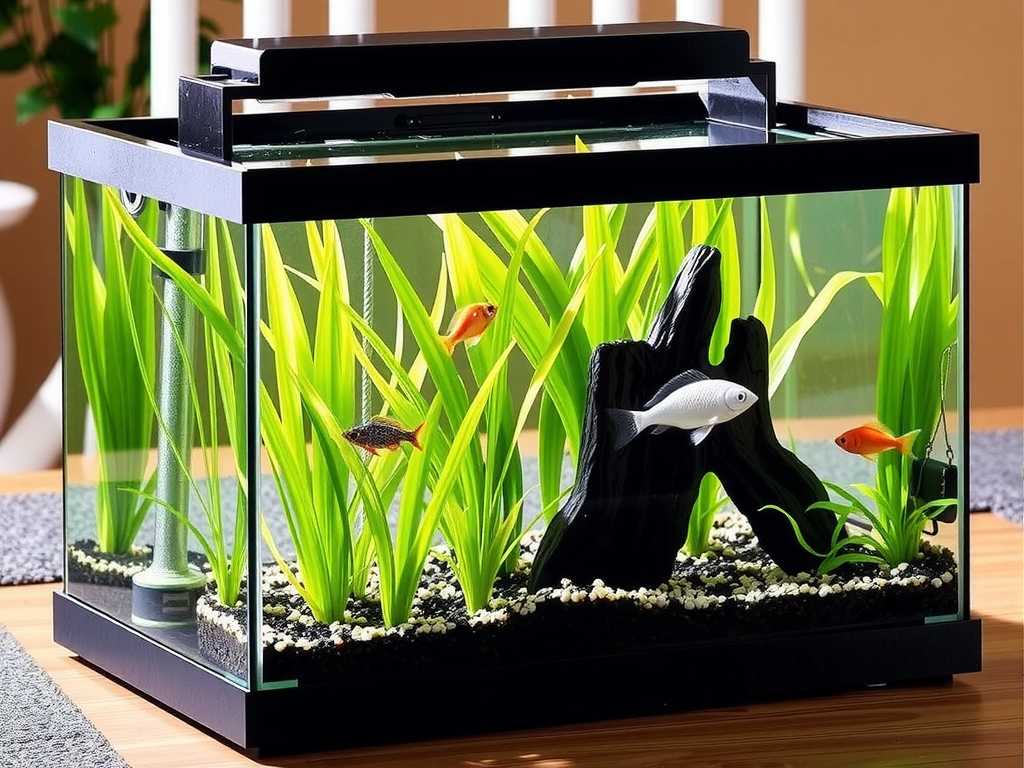
You’ve meticulously chosen your fish, carefully arranged your aquascape, and invested in a high-quality filter. Yet, a persistent green film coats the glass, fuzzy tufts cling to your plants, and the water has a perpetual greenish tint. Algae. It’s the single most common and frustrating challenge in the ornamental fishkeeping hobby. While a small amount is natural, an overgrowth can ruin the beauty of your tank, compete with plants for nutrients, and even harm water quality for your fish. This guide moves beyond quick fixes to provide a comprehensive, long-term strategy for how to keep tanks algae-free in ornamental fish care. We will explore the root causes and implement sustainable solutions that create a balanced, healthy, and visually stunning aquatic ecosystem.
Understanding the Root Cause: Algae as a Symptom
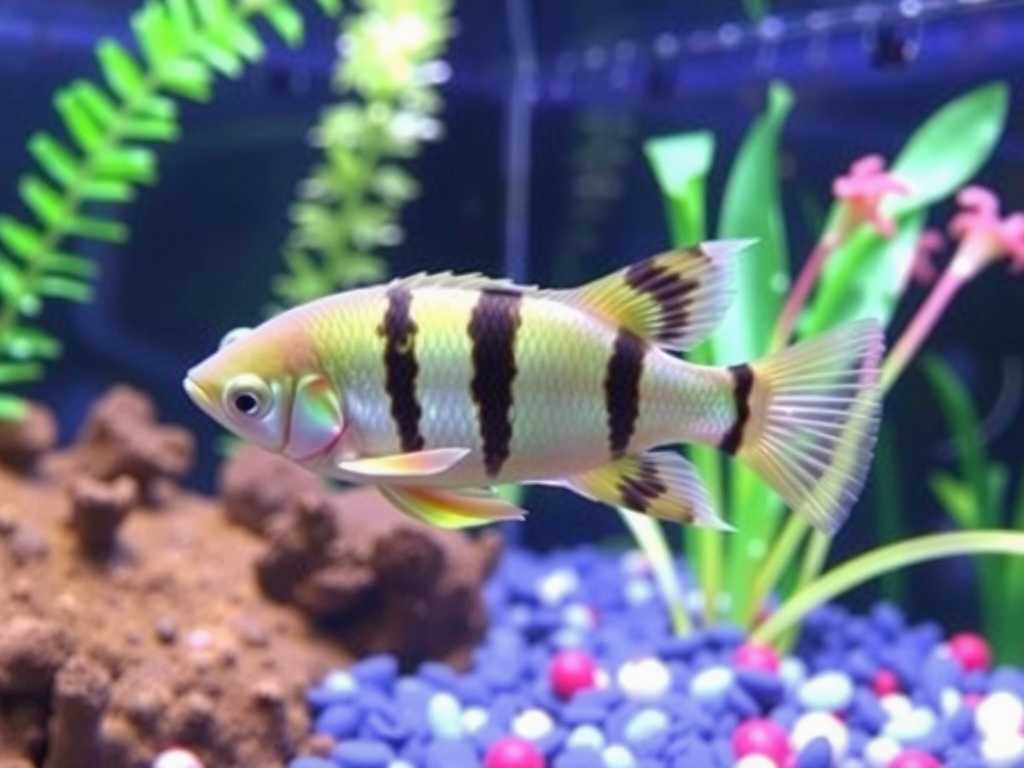
Before declaring war on algae, it’s crucial to understand it. Algae is not an intruder; it’s a primitive plant that thrives under specific conditions. An algae bloom is a clear symptom of an imbalance in your aquarium’s ecology. It indicates that resources like light and nutrients are available in excess, without enough competition or consumption. Therefore, the goal isn’t just removal, but correction of the underlying imbalance.
The Four Pillars of Long-Term Algae Control
Sustainable algae management rests on four interconnected principles: nutrient control, lighting management, mechanical removal, and biological competition. Mastering these creates an environment where higher plants and beneficial bacteria outcompete algae.
Balancing Nutrients: Starving Algae at the Source
Excess nutrients, particularly nitrates and phosphates, are the primary fuel for algae growth. A long-term strategy focuses on limiting inputs and increasing exports.
- Feed Judiciously: Overfeeding is the number one contributor to nutrient pollution. Feed only what your fish can consume within two minutes, once or twice a day. Remove any uneaten food immediately.
- Regular Water Changes: This is non-negotiable. Weekly water changes of 15-25% physically remove dissolved nutrients before algae can use them. Use a gravel vacuum to clean the substrate and eliminate detritus, a major nutrient sink.
- Manage Your Livestock: Avoid overstocking your tank. More fish means more waste, which breaks down into nitrates and phosphates. Follow responsible stocking guidelines.
- Use High-Quality Source Water: Test your tap water. If it is high in phosphates, consider using reverse osmosis (RO) water or a specialized phosphate-removing resin in your filter.
Mastering Your Lighting Schedule
Light is algae’s energy source. Uncontrolled lighting is an open invitation for blooms.
- Duration is Key: Establish a consistent photoperiod of 6-8 hours daily for a planted tank. Use a simple timer to ensure consistency; erratic lighting stresses plants and encourages algae.
- Avoid Direct Sunlight: Never place your aquarium in direct sunlight. This uncontrollable light source almost guarantees severe algae problems.
- Light Intensity Matters: Match your light intensity to the needs of your plants. Low-light plants do not require, and can be harmed by, high-intensity LEDs meant for advanced aquascapes. Excess intensity often leads to algae on plant leaves and decor.
- Consider a “Blackout” Reset: For severe, persistent blooms like blue-green algae (cyanobacteria), a supervised 3-5 day total blackout (covering the tank) can break the cycle. This is a corrective measure, not a long-term solution, and must be paired with water changes and nutrient control.
Employing Mechanical and Biological Helpers
Physical removal and introducing natural competitors are effective control methods.
- Manual Removal: Regularly scrub the glass with an algae scraper or magnet cleaner. For algae on decor or plant leaves, remove items and scrub them in removed tank water. For floating algae, use a fine mesh net.
- Introduce Algae-Eating Crew: Certain fish and invertebrates are excellent long-term partners. Otocinclus catfish are superb for diatom algae on glass and leaves. Amano shrimp and certain snail species like Nerite snails (which won’t reproduce in freshwater) are diligent grazers. Selecting the right algae-eating fish for a clean tank is crucial; research their needs and compatibility with your existing livestock.
- Filter Maintenance: Clean your filter media in removed tank water monthly to preserve beneficial bacteria while removing trapped organic waste. Never replace all media at once.
Cultivating a Thriving Planted Tank
Healthy, fast-growing aquatic plants are your best defense. They directly compete with algae for the same nutrients and light.
- Choose Fast-Growing Species: Plants like Hornwort, Water Wisteria, and floating plants like Frogbit absorb nutrients rapidly, effectively starving algae.
- Ensure Proper Plant Nutrition: A lack of specific nutrients can stunt plant growth, giving algae an advantage. Consider a comprehensive liquid fertilizer or root tabs, especially in nutrient-poor substrates. This supports maintaining a balanced aquarium ecosystem for algae prevention.
- Regular Pruning: Trim and remove dead plant leaves promptly. Decaying plant matter releases nutrients back into the water column.
Advanced Strategies and Common Algae Types
Identifying the algae type can pinpoint the specific imbalance.
- Green Hair/Thread Algae: Often indicates excess iron or an imbalance of macronutrients (Nitrogen, Phosphorus, Potassium). Improve plant health, manually remove, and check fertilizer dosing.
- Brown Diatom Algae: Common in new tanks, it feeds on silicates. It often disappears as the tank matures. Manual removal and algae eaters like Otocinclus control it.
- Blue-Green Algae (Cyanobacteria): A slimy, smelly film indicating very low nitrate levels and poor water circulation. Increase nitrate slightly through fertilization, improve flow, manually remove, and consider a blackout period.
- Green Spot Algae: Hard green spots on glass and leaves often suggest low phosphate levels relative to light. Adjust your nutrient dosing or slightly reduce light intensity.
Expert Insight for Lasting Success
Renowned aquascaper and author, Takashi Amano, famously advocated for a holistic approach: “The aquarium is a microcosm. Balance is not a single action, but a series of harmonious relationships between light, nutrients, and life.” This philosophy underscores that long-term algae-free fish tank maintenance is about proactive system management, not reactive cleaning. A 2022 report by the Aquatic Gardeners Association also noted that hobbyists who maintained consistent weekly routines of water changes and filter maintenance reported 70% fewer severe algae issues compared to those with irregular habits.
Frequently Asked Questions
Are algae-reducing chemicals a good solution? Algaecides can provide a quick knockdown in emergency situations but are a short-term fix. They do not address the root cause and can be harmful to fish, invertebrates, and beneficial bacteria. They should be used with extreme caution and never as a cornerstone of your strategy.
How long does it take to see results after correcting the balance? Patience is essential. After implementing corrective measures like reducing light and improving nutrient control, you may see algae stop growing within a week. However, for existing algae to die off and be removed, and for plants to outcompete it, allow 3-6 weeks for a full system reset.
Is any amount of algae acceptable? Yes, a minimal presence of algae is completely normal and even beneficial, serving as a natural food source for some fish and snails. The goal is not a sterile, zero-algae tank, but rather a balanced ecosystem where algae is kept in check and does not detract from the health or aesthetics of your aquarium.
Achieving and maintaining an algae-free ornamental tank is a continuous journey of observation and adjustment, not a one-time battle. By focusing on the foundational pillars of nutrient export, controlled lighting, mechanical upkeep, and vigorous plant growth, you shift from being a constant cleaner to a skilled ecosystem manager. This proactive approach creates a stable, thriving environment where your fish and plants flourish, and algae is relegated to a minor, manageable background player. Consistency in your maintenance routine is the ultimate key to long-term clarity and beauty.
发表评论