 admin
admin How to Spot Parasites in Ornamental Fish Care: Effective Treatments for a Healthy Aquarium
Discovering your vibrant aquarium fish are plagued by parasites is a distressing experience for any hobbyist. You’ve invested time, care, and resources into creating a beautiful underwater world, only to see your fish become listless, lose their color, or develop strange spots. The challenge often lies not just in treatment, but in accurate identification. Misdiagnosing a parasitic infection can lead to ineffective treatments and further stress on your aquatic pets. This guide will empower you with the knowledge to confidently spot the signs of common parasites and apply the correct, safe treatments to restore your aquarium’s health.
Understanding Parasites in the Aquarium Ecosystem
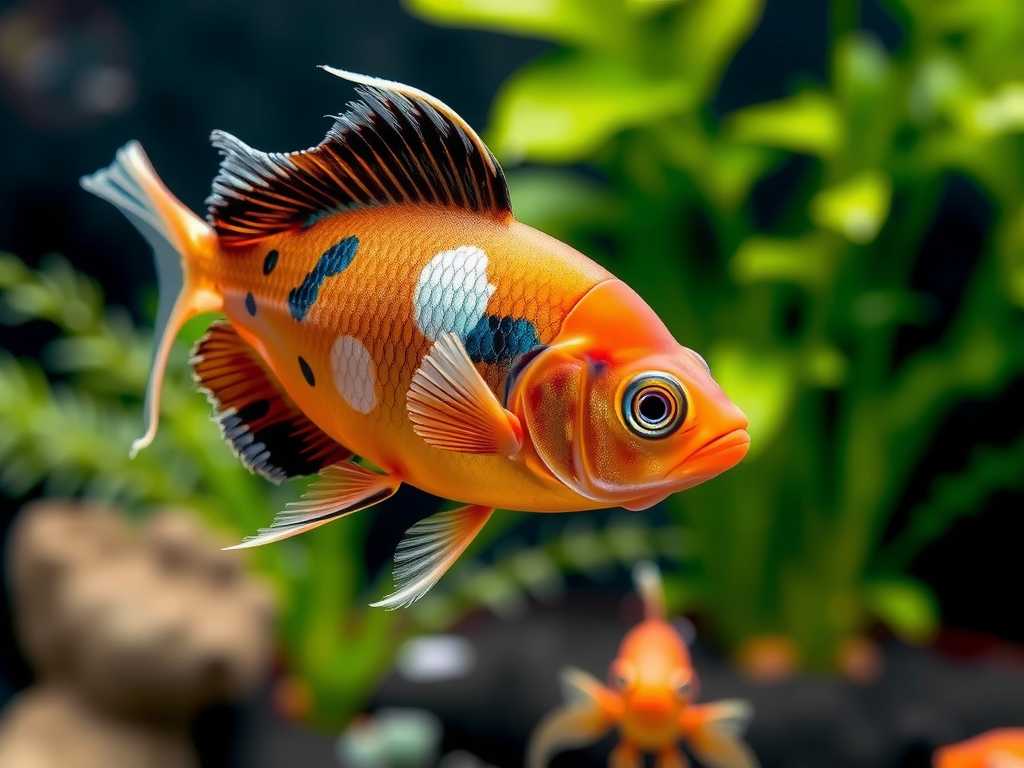
Parasites are unwelcome organisms that live on or inside a host fish, deriving nutrients at the host's expense. They are a natural part of aquatic environments but can explode into problematic infections when a fish's immune system is compromised by stress, poor water quality, or the introduction of new, untreated livestock. Early detection is your most powerful tool. A keen, regular observation of your fish's behavior and appearance is the first line of defense.
Common Parasitic Invaders and How to Identify Them
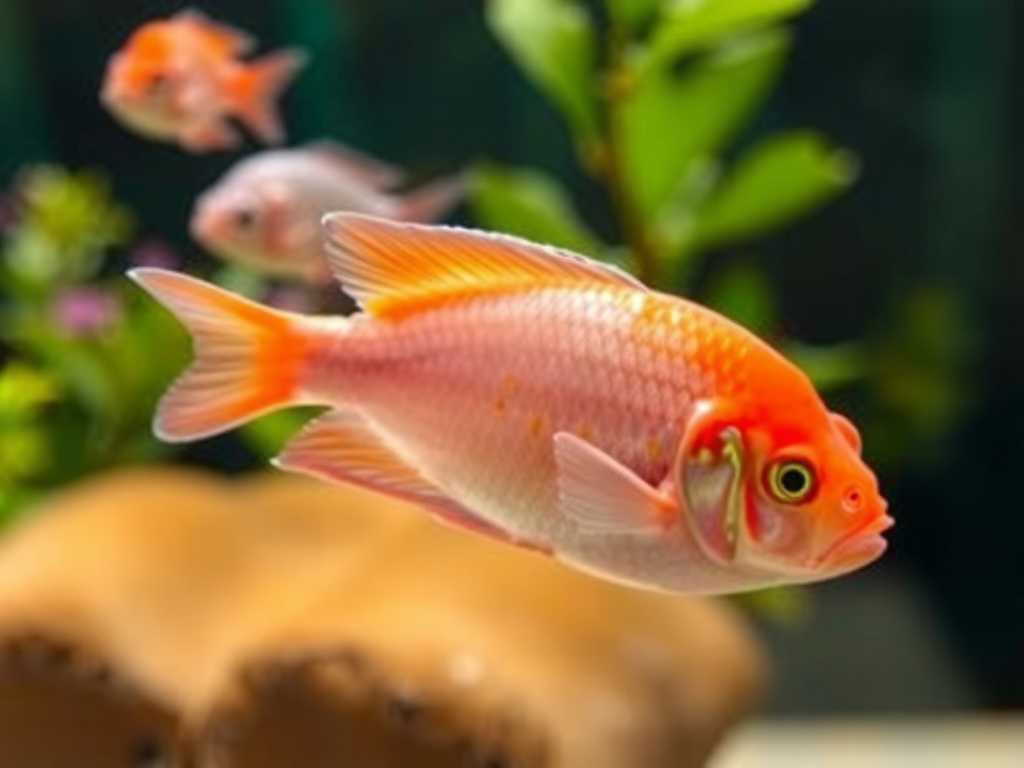
Learning to recognize the specific symptoms of different parasites is crucial for targeted treatment. Here are the most frequent culprits in home aquariums.
Spotting and Treating External Protozoan Parasites
These microscopic single-celled organisms are among the most common causes of disease in ornamental fish.
Ichthyophthirius multifiliis (Ich or White Spot Disease) This is arguably the most recognizable parasitic infection. Look for tiny, salt-like white grains speckled across the fish's body, fins, and gills. Infected fish often exhibit flashing (rubbing against objects), rapid gill movement, and lethargy. Ich has a complex lifecycle, and treatments are only effective during its free-swimming stage. Treatment Protocol: Raise the aquarium temperature gradually to 78-80°F (26-27°C) to speed up the parasite's lifecycle. Combine this with a reliable medication containing active ingredients like malachite green, formalin, or copper. Consistent treatment over the full course (usually 10-14 days) is essential to break the lifecycle, even after spots disappear.
Velvet Disease (Oodinium) Often called "gold dust disease," this parasite appears as a finer, yellowish or rusty dusting on the skin. In advanced stages, the fish may look like it’s sprinkled with powdered gold. Symptoms include lethargy, loss of appetite, and flashing. Velvet can be fatal quickly, especially to gills, making prompt action critical. Treatment Protocol: Dim the tank lights, as the parasite uses photosynthesis. Treat with copper-based medications or those specifically labeled for Oodinium. As with Ich, slightly elevated temperatures can aid treatment efficacy.
Dealing with Skin and Gill Flukes Monogenean flukes (like Gyrodactylus and Dactylogyrus) are tiny worm-like parasites visible only under magnification. However, their effects are clear: excessive mucus production, clouded eyes, inflamed gills, and constant scratching. Heavy infestations cause respiratory distress. Treatment Protocol: Praziquantel is the most effective and fish-safe medication for most flukes. It is available in liquid, powder, and tablet forms. A single treatment often suffices, but a follow-up dose may be needed to eradicate newly hatched parasites.
Identifying and Eradicating Internal Parasites These parasites live inside the fish's digestive tract or internal organs, making them harder to diagnose.
Intestinal Worms (Nematodes, Tapeworms) Signs are often non-specific: a hollow belly despite normal eating, weight loss, white stringy feces, or a general failure to thrive. The fish may have a reduced appetite or appear bloated. Treatment Protocol: Fenbendazole and levamisole are common antihelminthic medications effective against many internal worms. They are often administered in a medicated food to ensure the active ingredient is ingested. Quarantining new fish and proper food hygiene are key preventive measures.
Hexamita (Hole-in-the-Head Disease) Common in cichlids and discus, this protozoan initially causes subtle pits or lesions on the head and lateral line. As it progresses, it leads to weight loss and white, mucousy feces. Treatment Protocol: Metronidazole is the treatment of choice. It can be administered via medicated food for systemic infections or, for severe cases, added directly to the water in a hospital tank. Improving diet and water quality is a vital part of the recovery process.
Your Step-by-Step Action Plan for Parasite Treatment
- Isolate and Observe: At the first sign of illness, move the affected fish to a separate, bare-bottom hospital tank (quarantine tank). This allows for closer monitoring, prevents the spread of parasites, and lets you treat without harming your main tank’s biological filter or sensitive invertebrates.
- Accurate Diagnosis: Use the symptoms described above. If unsure, consulting clear photos from reputable aquatic health sites or seeking advice from a veterinarian specializing in fish can be invaluable.
- Choose the Right Medication: Select a treatment specifically formulated for the identified parasite. Always read the entire label, noting the correct dosage, any species-specific warnings (e.g., scaleless fish are sensitive to many medications), and whether you need to remove chemical filtration like activated carbon.
- Treat Methodically: Follow the medication instructions precisely. Do not stop treatment early just because symptoms improve. Complete the full course.
- Support Recovery: Maintain pristine water quality in the hospital tank with frequent, small water changes. Offer highly nutritious, palatable foods to help the fish regain strength. Avoid reintroducing the fish to the main tank until you are confident it is fully recovered and the main tank has been parasite-free for several weeks.
Prevention: The Cornerstone of Parasite Control As noted by Dr. Jessie Sanders, a leading aquatic veterinarian, "An ounce of prevention in ornamental fish care is worth a pound of cure. Stress reduction through proper husbandry is the single most effective way to prevent parasitic outbreaks." This includes:
- Mandatory Quarantine: All new fish should be quarantined in a separate tank for a minimum of 2-4 weeks.
- Optimal Water Parameters: Regularly test and maintain appropriate pH, ammonia, nitrite, and nitrate levels.
- Balanced Nutrition: Feed a varied, high-quality diet to support robust immune systems.
- Responsible Sourcing: Purchase livestock from reputable suppliers known for healthy stock.
Frequently Asked Questions
Can I use salt to treat all parasites? While aquarium salt is a useful tool for treating some external protozoans like mild Ich and can help reduce fish stress by improving gill function, it is not a cure-all. It is ineffective against most internal parasites, flukes, and worms. Always research if salt is appropriate for your specific fish species and the parasite you are targeting.
How long should I quarantine new fish? A minimum of 4 weeks is strongly recommended. This period allows latent parasites or illnesses to manifest in the isolation tank, where they can be treated without risk to your established aquarium community. This simple practice prevents the vast majority of disease introductions.
Why did my fish get parasites even with good water quality? Excellent water quality reduces stress and makes outbreaks less likely, but it is not an impenetrable shield. Parasites can be introduced via new fish, plants, live foods, or even on nets and equipment. A healthy fish in clean water may carry a low-level parasite load without showing symptoms until a stress event (like a temperature swing) tips the balance.
Successfully managing parasites in ornamental fish care hinges on vigilant observation, accurate identification, and disciplined treatment. By understanding the lifecycle and symptoms of common parasites, you can intervene swiftly and effectively. Establishing robust preventive routines, especially a dedicated quarantine protocol, will save you and your fish from countless future challenges. A healthy aquarium is a stable ecosystem, and your informed care is its most vital component.
发表评论