 admin
admin How to Keep Saltwater Ornamental Fish Entertained: A Complete Guide to Enrichment
You’ve invested in a stunning saltwater aquarium, meticulously balanced the water chemistry, and carefully selected your vibrant, fascinating fish. Yet, you might notice your fish exhibiting repetitive behaviors—pacing the same glass panel, hiding constantly, or showing little interest in their surroundings. This isn’t just boredom; it’s a sign of a lack of mental and physical stimulation, which can lead to stress, a weakened immune system, and a shorter lifespan. The solution lies in a concept well-known to zoos and advanced aquarists: environmental enrichment for saltwater fish. This guide will show you how to transform your tank from a beautiful container into a dynamic, engaging home that promotes natural behaviors and overall fish well-being.
Understanding the "Why": The Critical Importance of Enrichment
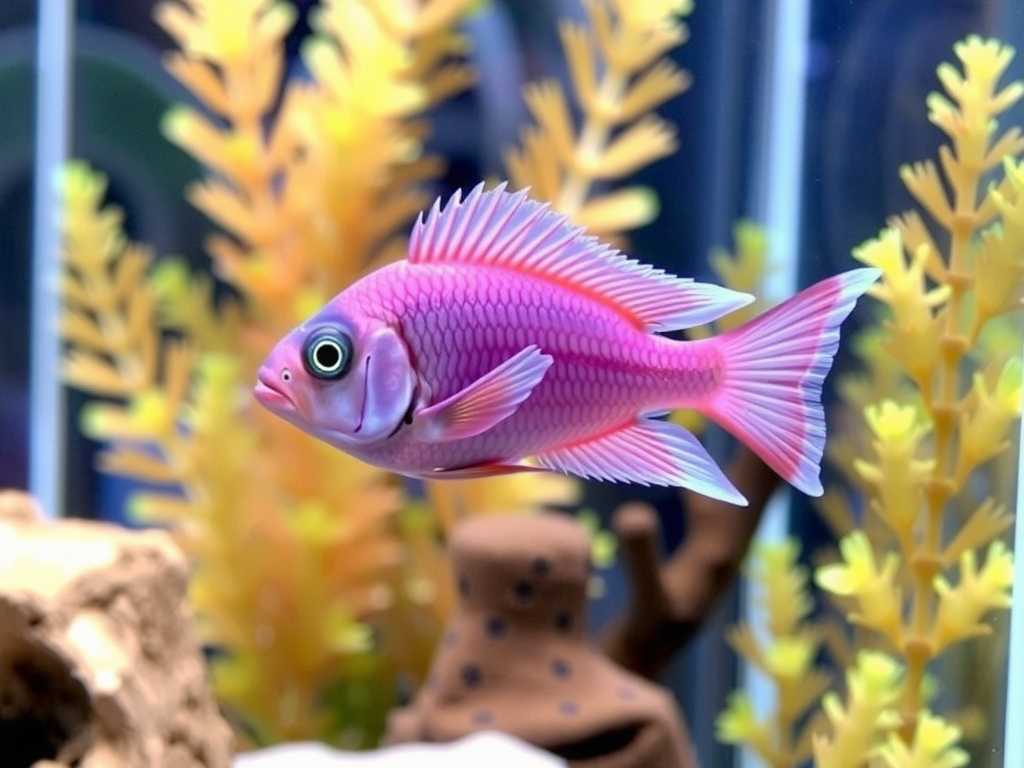
Enrichment is more than just entertainment; it’s a fundamental aspect of ethical pet care. In the wild, fish spend their days foraging for food, exploring complex reef structures, evading predators, and interacting with their environment. Captivity removes these challenges, creating a void. Providing enrichment addresses this by reducing stress, encouraging exercise, preventing stereotypical behaviors, and ultimately creating healthier, more resilient, and visibly active fish. A study on zoo animal welfare consistently shows that environmental enrichment significantly improves behavioral diversity and physiological health, a principle that directly translates to captive marine life.
Creating a Dynamic Underwater Landscape: Habitat Enrichment
The foundation of all enrichment is your aquarium’s physical setup. A barren tank is an empty canvas for boredom.
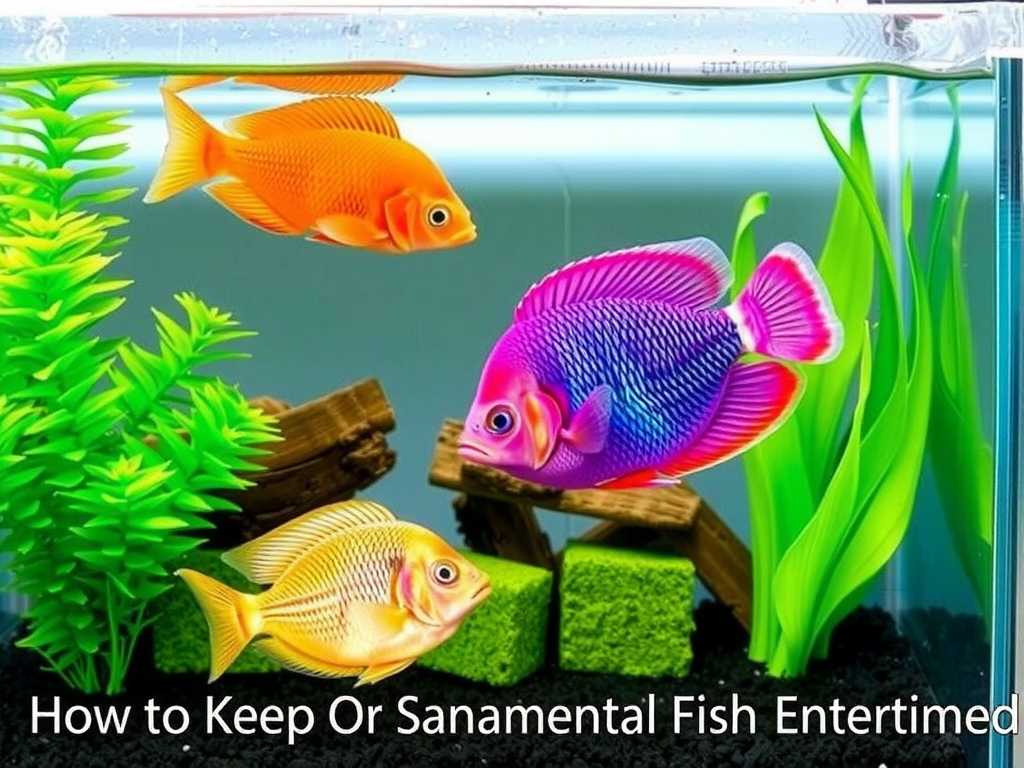
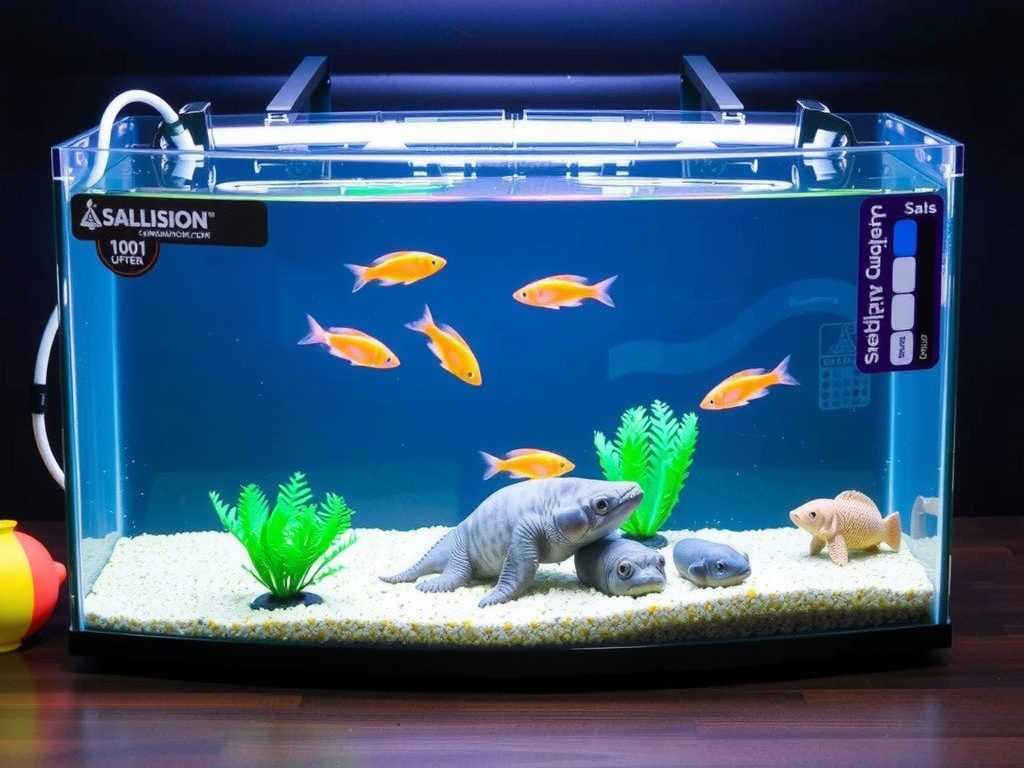
Design a Complex Aquascape Move beyond flat rockwork. Create a reefscape with overhangs, swim-through caves, tunnels, and varying heights. Use live rock to form structures that offer multiple hiding spots and territories. This complexity allows fish to establish territories, hide when needed, and explore new pathways daily. For fish like wrasses that bury themselves, ensure a deep, fine sand bed. For perching species like hawkfish, provide stable rock branches.
Incorporate Safe and Stimulating Live Elements Live plants like macroalgae (e.g., Chaetomorpha, Caulerpa) not only improve water quality but also create a living, changing environment for fish to investigate. Pods, copepods, and other microfauna that colonize live rock provide a constant, live food source for fish to hunt, mimicking their natural grazing behavior perfectly.
The Art of Feeding: Nutritional and Foraging Enrichment
Feeding time is the prime opportunity for enrichment. Dumping a pile of flakes in the same spot each day requires zero mental effort.
Vary the Diet and Delivery Method Rotate between high-quality pellets, frozen foods (mysis, brine shrimp), and live foods. Each type stimulates different hunting and eating behaviors. Target feeding ensures shy eaters get their share and allows you to engage directly with each fish.
Implement Creative Feeding Strategies This is where foraging enrichment for marine aquariums truly shines. Use a feeding ring to make fish work against a slight current to catch food. Place food inside a clean, PVC pipe with holes or a specially designed foraging toy, forcing fish to nudge and manipulate it to release treats. For larger fish, clip a piece of nori or a mussel on a veggie clip, encouraging them to pull and tear. You can even freeze food inside a block of ice (using tank water) for a slow-release challenge that keeps them engaged.
Promoting Natural Behaviors: Sensory and Social Enrichment
A stimulating tank engages all of a fish’s senses and social needs.
Introduce Controlled Sensory Stimuli Sensory changes can be simple yet effective. Gently altering flow patterns with wavemakers simulates changing tides and encourages fish to swim against different currents. Periodically moving or adding a new, safe tank decoration (after proper cleaning) creates a novel object for investigation. Even changing the lighting spectrum gradually to simulate dawn and dusk can trigger natural behavioral rhythms.
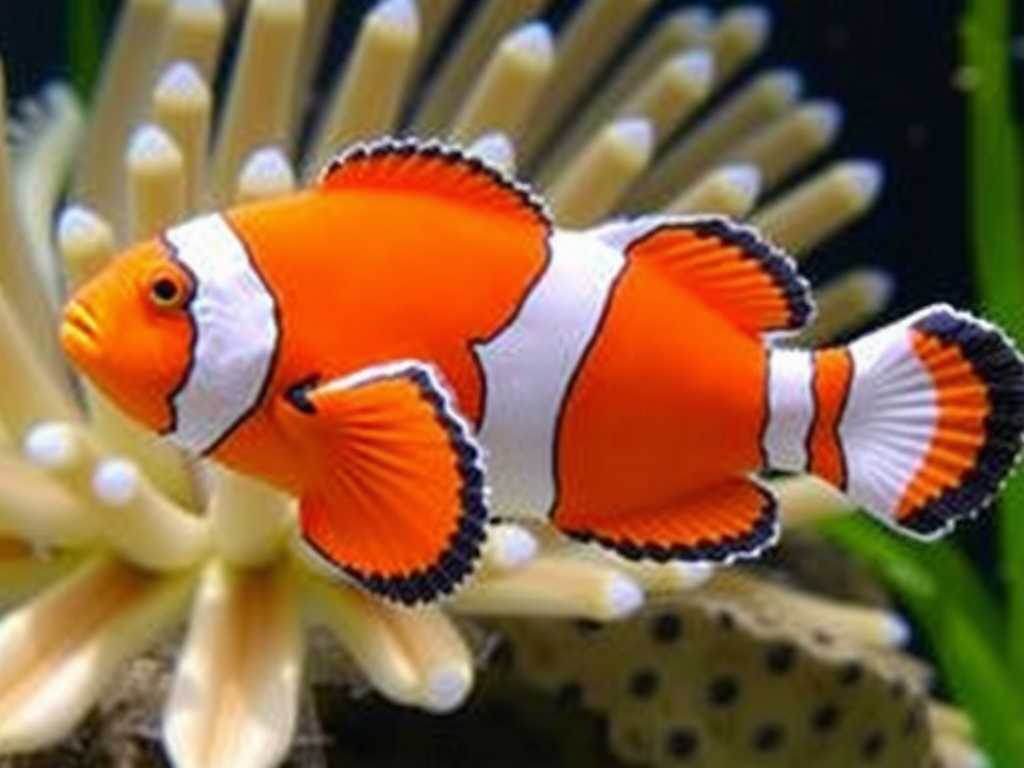
Carefully Curate Social Dynamics Research compatibility thoroughly. Providing appropriate tank mates can offer social interaction, such as the symbiotic relationship between clownfish and anemones or the cleaning behaviors of certain shrimp and gobies. However, always monitor for aggression and ensure every fish has adequate space and hiding places to avoid chronic stress.
A Practical Enrichment Schedule: Keeping it Fresh
Consistency is key, but so is variety. Don’t overwhelm your tank; rotate different enrichment ideas.
Daily: Vary feeding locations and methods. Use target feeding to engage each fish. Weekly: Introduce a new foraging challenge, like a food-filled toy or a different frozen food type. Rearrange a minor rock feature (if your tank’s biofilter is well-established on substrate). Monthly: Perform a more significant aquascape tweak (if suitable for your livestock), add a new, quarantined live element like a piece of macroalgae, or introduce a completely novel item like a smooth, aquarium-safe mirror placed briefly outside the tank to stimulate curiosity.
Addressing Common Enrichment Concerns
Won’t changing the tank decor stress my fish? Sudden, massive overhauls are stressful. The key is minor, incremental changes. Most fish quickly investigate and adapt to small novelties, which provides positive mental stimulation. Always observe their reactions and proceed slowly.
Is enrichment necessary for all saltwater fish? While all fish benefit, some species demonstrate a more obvious need. Highly intelligent and active fish like triggers, puffers, wrasses, and octopuses (advanced care) have a critical requirement for mental stimulation for captive marine fish. Without it, they are far more prone to destructive behaviors and stress-related illness.
Can enrichment cause problems with water quality? Any enrichment involving food must be monitored. Remove uneaten portions from foraging toys promptly. Use only aquarium-safe, non-toxic materials. Live food and macroalgae generally improve water quality by adding to the ecosystem’s biodiversity.
Providing a thriving environment for your saltwater ornamental fish goes beyond clean water and proper nutrition. By intentionally designing their habitat, innovating their feeding routines, and thoughtfully stimulating their senses, you do more than entertain them—you actively promote their innate behaviors, reduce stress, and foster remarkable vitality. A truly successful aquarium is measured not just by its clarity, but by the vibrant, natural, and engaging life it supports within. Start with one new enrichment idea this week and watch your underwater world come even more alive.
发表评论