 admin
admin How to Treat Mouth Fungus in Ornamental Fish Care: Cure Growths
Discovering a cotton-like growth on your fish's mouth can be alarming. This common issue, often called mouth fungus, is a frustrating and potentially fatal problem for aquarium hobbyists. If left untreated, these growths can rapidly deteriorate your fish's health. This comprehensive guide will walk you through exactly how to treat mouth fungus in ornamental fish, providing clear steps to cure these growths and restore your aquatic pet's vitality.
Understanding Mouth Fungus: It’s Not Actually a Fungus
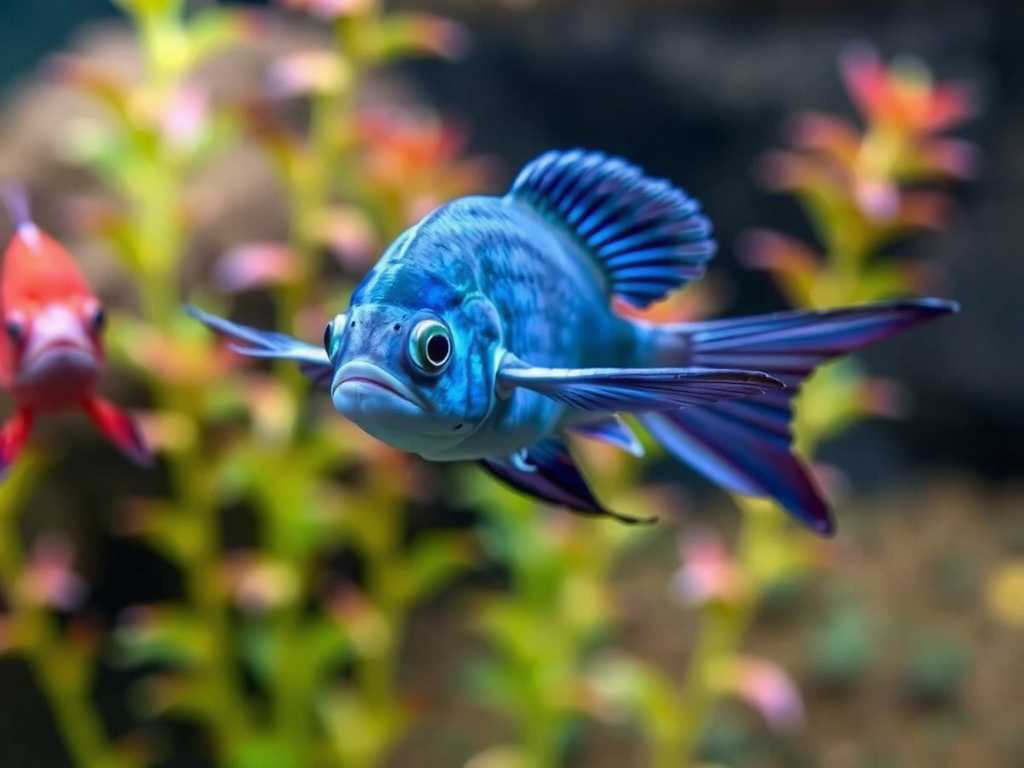
The first critical step in effective treatment is accurate identification. What is commonly termed "mouth fungus" is typically a bacterial infection, specifically Columnaris disease (Flavobacterium columnare). This misconception is important because treating it with a standard anti-fungal medication will often fail. The cottony, white, or greyish lesions usually start around the mouth, lips, or head, sometimes resembling mold or fungus. They can spread quickly, leading to frayed fins and skin erosion. Recognizing this early is key to a successful cure.
Immediate Action Steps: Quarantine and Assessment
At the first sign of mouth fungus growths, immediate isolation is non-negotiable.
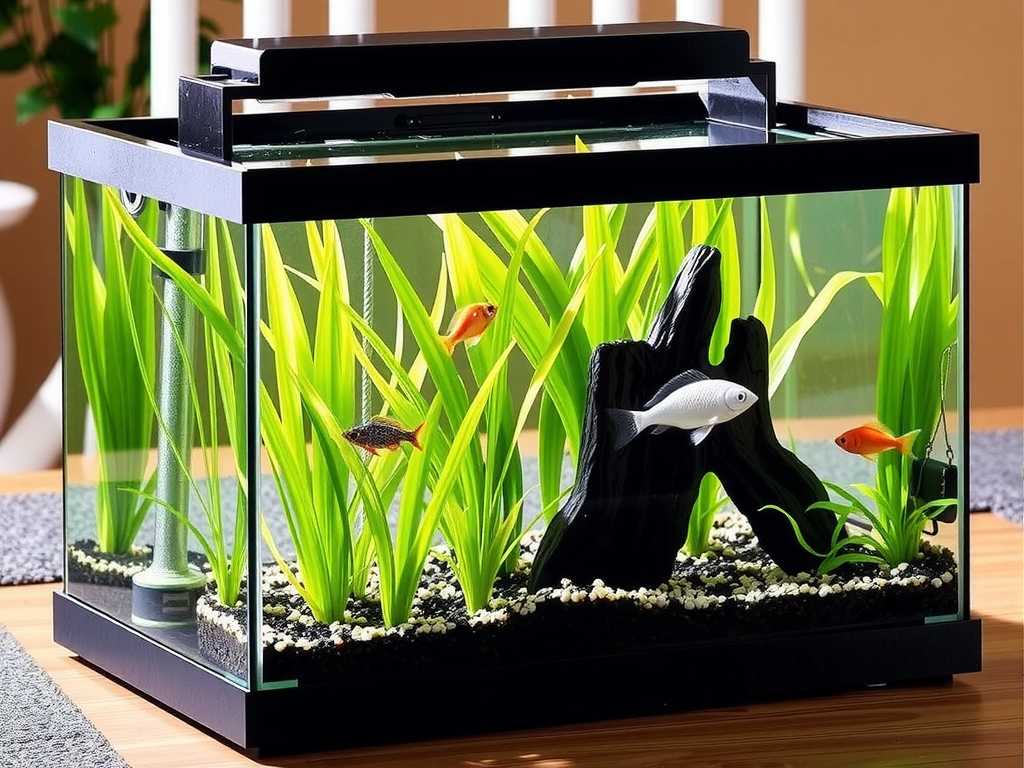
- Set Up a Hospital Tank: Prepare a separate, bare-bottom quarantine tank with mature filtration and heated to match your main tank's temperature. This prevents the spread of infection and allows for targeted medication.
- Assess Water Quality: Poor water conditions are a primary stressor that triggers Columnaris outbreaks. Test the water in your main aquarium for ammonia, nitrite, nitrate, and pH. Often, improving water quality is the most crucial first step in treatment and prevention.
- Gentle Handling: Use a soft net to transfer the affected fish to the hospital tank with minimal stress.
Primary Treatment Methods for Mouth Fungus
Treatment should be approached methodically, starting with the least invasive options.
Salt and Heat Therapy (For Mild Cases) For very early, mild cases, a conservative approach can work. Increasing the water temperature in the hospital tank to 75-78°F (24-26°C) can inhibit Columnaris growth, as some strains are temperature-sensitive. Coupled with aquarium salt (1-3 teaspoons per gallon), this can help reduce osmotic stress on the fish and hinder some bacterial activity. Monitor closely; if lesions progress within 24 hours, move to medicated treatment.
Medicated Treatment: Choosing the Right Cure Since Columnaris is bacterial, specific antibiotics and antibacterials are required.
- Kanamycin and Nitrofurazone: This combination is often considered highly effective against Columnaris. They target the bacteria through different mechanisms, reducing the chance of treatment failure.
- API Furan-2 & API Erythromycin: Using these two medications together, as per package instructions, is another widely recommended regimen for combating mouth fungus.
- Medicated Food: If the fish is still eating, medicated food containing antibiotics like oxytetracycline is optimal. It delivers treatment internally, which is more effective for systemic infections.
Always remove chemical filtration (carbon) during treatment and follow medication instructions precisely regarding dosage and duration.
Supportive Care During Recovery
Treating the infection is only half the battle. Supporting the fish’s overall health is essential for recovery.
- Pristine Water: Perform small, daily water changes (20-25%) in the hospital tank to remove waste and medication byproducts. Always re-dose medication as directed after a change.
- Low-Stress Environment: Keep the tank in a quiet area, dim the lights, and provide a PVC pipe or similar item for shelter.
- High-Quality Diet: Offer easily digestible, nutrient-rich foods like frozen brine shrimp or a gel food to help rebuild strength.
Preventing Future Outbreaks of Mouth Fungus
Successfully curing mouth fungus once means you’ll want to prevent its return. Prevention hinges on reducing stress and maintaining optimal tank health.
- Regular Maintenance: Stick to a consistent schedule of partial water changes and filter maintenance.
- Avoid Overcrowding: This is a major source of stress and rapid disease spread. Ensure your tank is not overstocked.
- Quarantine New Fish: Any new addition should spend 2-4 weeks in a separate observation tank before joining your main display. This simple practice prevents introducing diseases.
- Disinfect Nets and Equipment: Use a dedicated net for the hospital tank and disinfect tools after handling sick fish to avoid cross-contamination.
Frequently Asked Questions
Can mouth fungus spread to other fish? Yes, Columnaris is highly contagious, especially in stressful conditions. This is why immediate quarantine of the affected fish is the most critical first step you can take.
Is mouth fungus in fish contagious to humans? No, Flavobacterium columnare is not a zoonotic disease. It is specific to fish and poses no risk to human health. However, always practice good hygiene, like washing your hands after aquarium maintenance.
How long does it take to cure mouth fungus? With prompt and correct treatment, you may see improvement within 3-5 days. A full course of medication typically lasts 7-10 days. Complete healing of the mouth and skin lesions will take longer, depending on the severity of the initial infection and the fish’s overall resilience.
Addressing mouth fungus effectively requires swift action, correct diagnosis, and a dedicated treatment protocol. By understanding that this condition is bacterial, setting up a proper hospital tank, and employing the right antibacterial medications, you can cure these distressing growths. Remember, a consistent focus on pristine water quality, low-stress environments, and preventive quarantine forms the foundation of a healthy aquarium, making such outbreaks far less likely to occur in the future. Your vigilant care is the key to your ornamental fish’s long-term health and vibrancy.

发表评论