 admin
admin How to Choose Decor in Ornamental Fish Care: Safe Hides and Beyond
Choosing the right aquarium decor is about so much more than just creating a beautiful underwater scene. It's a critical decision that directly impacts the health, safety, and happiness of your fish. Many aquarists, especially beginners, face the hidden challenge of selecting decorations that look great but may secretly harm their aquatic pets. From sharp edges causing fin tears to toxic paints leaching into the water, the wrong choice can lead to stress, injury, and even fatal consequences. This guide will walk you through the essential steps to select safe, functional, and beautiful decor, with a special focus on providing secure hiding places—a fundamental need for almost all ornamental fish.
Understanding the Purpose: More Than Just Aesthetics
Aquarium decor serves three vital functions: safety, enrichment, and biological support. First and foremost, it must be physically and chemically safe for your specific tank inhabitants. Secondly, it provides environmental enrichment, reducing stress by mimicking natural habitats and offering territories. Finally, porous decorations like live rock or certain ceramics host beneficial bacteria, aiding your tank's nitrogen cycle. Prioritizing these functions over pure visual appeal is the mark of a responsible and successful fish keeper.
The Non-Negotiables: Safety First in Aquarium Decor Selection
Before considering color or style, you must vet every decoration for these safety fundamentals.
Material Safety: What is it Made Of? The material is your primary concern. Always choose decorations labeled as "aquarium safe" from reputable brands. Be extremely wary of unknown plastics, painted ceramics, or metals.
- Inert Materials: These are the gold standard. They do not alter water chemistry. Examples include:
- Aquarium-Safe Resins & Plastics: High-quality, food-grade resins used by trusted manufacturers.
- Glass: Smooth and completely inert.
- Certain Stones & Rocks: Like slate, quartz, and lava rock (after proper testing).
- Materials to Avoid:
- Metals: Especially copper, zinc, or lead, which can corrode and poison water.
- Unknown Plastics: Soft or flimsy plastics may leach plasticizers.
- Painted Decor (unless certified): Paint can chip and may contain heavy metals. If in doubt, leave it out.
Physical Safety: Smooth Surfaces and Secure Placement Examine every piece thoroughly. Run your fingers over all surfaces, especially inside holes and crevices.
- No Sharp Edges or Points: Any rough or sharp area can tear delicate fins and scales. File down any imperfections if possible.
- Stable and Secure: Decor must be solidly placed to prevent toppling. For large or top-heavy pieces, consider securing them with aquarium-safe silicone to the tank bottom or a base.
- Appropriate Size Openings: Ensure any holes are large enough for your fish to pass through comfortably without getting stuck, but small enough to feel secure.
Chemical Safety: The Leaching Test When introducing new decor, especially natural materials or pieces from non-fish sources, a simple test is wise.
- Submerge the item in a bucket of dechlorinated water.
- Test the pH, GH, and KH of the water.
- Let it sit for 1-2 weeks, then test the water parameters again.
- If parameters shift significantly (e.g., pH spikes), the item is likely altering chemistry and is unsafe.
Focus on Function: Choosing the Right Safe Hides
A hiding place is not a luxury; it's a necessity for fish well-being. It reduces stress, provides a refuge from bullies, and offers a safe spot for sleeping or breeding.
Types of Safe Hides and Their Best Uses
- Caves & Tunnels: Ideal for bottom-dwellers like plecos, corydoras, and loaches. Choose caves with at least two openings to prevent fish from being trapped.
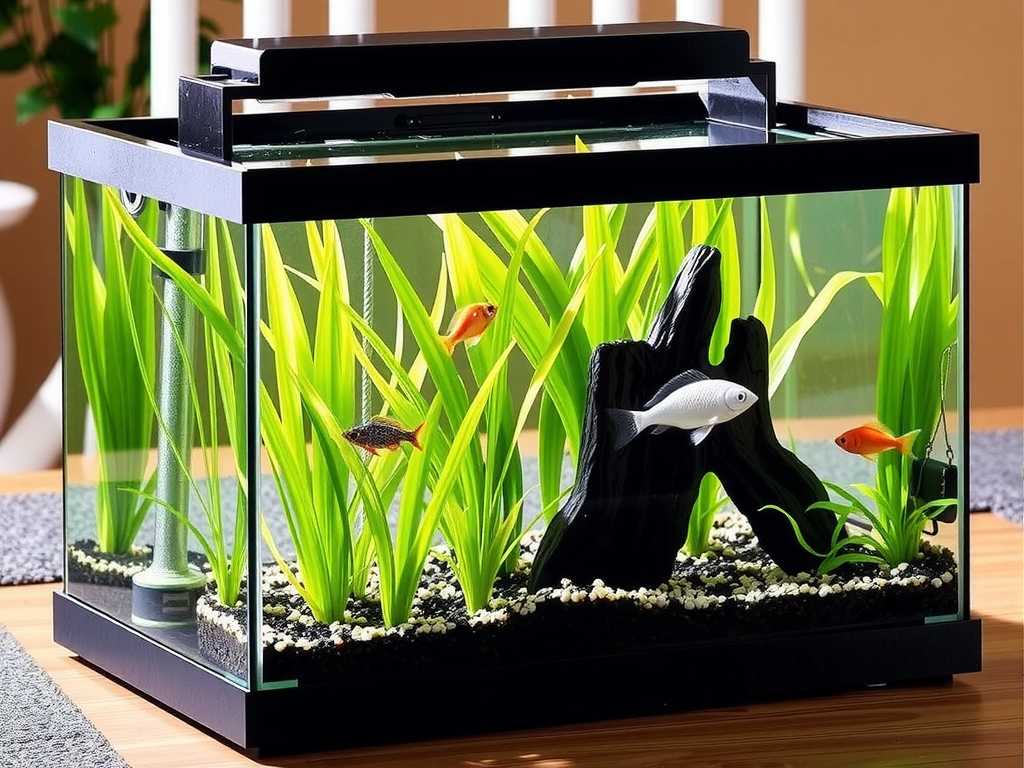
- Dense Plant Thickets (Live or Silk): Perfect for small, shy fish like tetras, rasboras, and dwarf cichlids. They provide dappled cover while allowing water flow.
- Rockwork & Stone Slates: Excellent for creating natural-looking crevices and overhangs for African cichlids, gobies, and catfish. Ensure the structure is stable.
- Driftwood: Not only beautiful but also functional. The nooks, roots, and tannins released (in the case of bogwood) create ideal conditions for many Amazonian and Southeast Asian species.
Matching the Hide to Your Fish's Behavior Consider your fish's natural instincts. A nocturnal catfish needs a dark, enclosed cave it can occupy during the day. A timid schooling fish feels safer with multiple, visually broken hiding spots across the tank. Research your species' specific needs. As noted aquarist and author Diana Walstad emphasizes, "Providing adequate shelter is as important as water quality for preventing chronic stress in captive fish."
Integrating Decor with Your Tank's Ecosystem
Your decor choices must work in harmony with your tank's technical setup and other inhabitants.
Considering Tank Mates and Bioload Smooth decor is especially crucial for fast-swimming fish with long, flowing fins like bettas or angelfish. In a community tank, create multiple hideouts to break lines of sight and reduce aggression. Also, remember that decor displaces water. Calculate the actual water volume after adding all decor and substrate to ensure your filter is rated appropriately for the true gallonage.
Maintenance and Cleaning All decor will eventually grow algae or collect debris. Choose shapes that are easy to clean around and remove. Avoid extremely intricate pieces with deep, inaccessible crevices where waste can accumulate and rot. Safe cleaning involves using an aquarium algae pad or a soft brush, and only tank water during water changes—never soaps or chemical cleaners.
The Natural Alternative: DIY and Live Plants
For the ultimate in safety and enrichment, consider natural elements.
Using Driftwood, Rocks, and Live Plants Properly prepared driftwood and selected rocks create a stunning, biotope-accurate environment. Live plants are the pinnacle of safe decor, offering hiding spots, improving water quality, and competing with algae. They require appropriate lighting and substrate but offer unparalleled benefits.
Step-by-Step Guide to Preparing Natural Decor
- Source: Collect from safe, unpolluted areas or purchase from aquarium suppliers.
- Scrub: Physically scrub off all dirt and loose material with a stiff brush under running water.
- Sterilize: For wood, boil for 1-2 hours to waterlog it and kill pathogens. For rocks, pour boiling water over them (avoid porous rocks that may explode with heat).
- Test: Perform the leaching test described earlier to ensure stability.
- Rinse: A final rinse in dechlorinated water before placement.
How often should I clean my aquarium decorations? Clean your decorations as part of your regular weekly or bi-weekly water change routine. Gently brush off algae during the water change, using the siphoned tank water to rinse them. Avoid deep cleaning all decor at once, as this can disrupt beneficial bacterial colonies.
Can I use decorations from a craft store in my fish tank? It is strongly discouraged. Craft store items like ceramics, figurines, or shells are rarely aquarium-safe. They may be painted with toxic paints, contain metals, or be made from materials that leach harmful chemicals. The risk to your fish is not worth the aesthetic appeal.
My fish never uses the hide I bought. What should I do? First, observe its location and entrance size. It might be too exposed or too small. Try relocating it to a quieter, more planted area of the tank. Some fish prefer different types of cover; a fish that ignores a ceramic cave might thrive with a dense thicket of plants. Patience is also key—it may simply need more time to acclimate and claim the space.
Selecting the perfect aquarium decor is a rewarding process that blends art with science. By rigorously prioritizing safety, understanding the functional need for secure hides, and thoughtfully integrating each piece into your tank's environment, you create more than just a display. You build a thriving, stress-free habitat where your ornamental fish can exhibit their most natural and vibrant behaviors. The most beautiful aquarium is ultimately one where its inhabitants are healthy, active, and at ease.

发表评论