 admin
admin How to Treat Hole-in-the-Head in Ornamental Fish: A Complete Care Guide
Discovering small pits or lesions on your fish’s head can be alarming. How to treat hole-in-the-head in ornamental fish is a critical question for aquarists facing this distressing disease. Scientifically known as Head and Lateral Line Erosion (HLLE), this condition manifests as erosions along the head and lateral line. If left untreated, it can lead to severe tissue damage, secondary infections, and even fatality. This guide provides a clear, step-by-step approach to diagnosing, treating, and preventing this complex health issue in your aquarium.
Understanding Hole-in-the-Head Disease
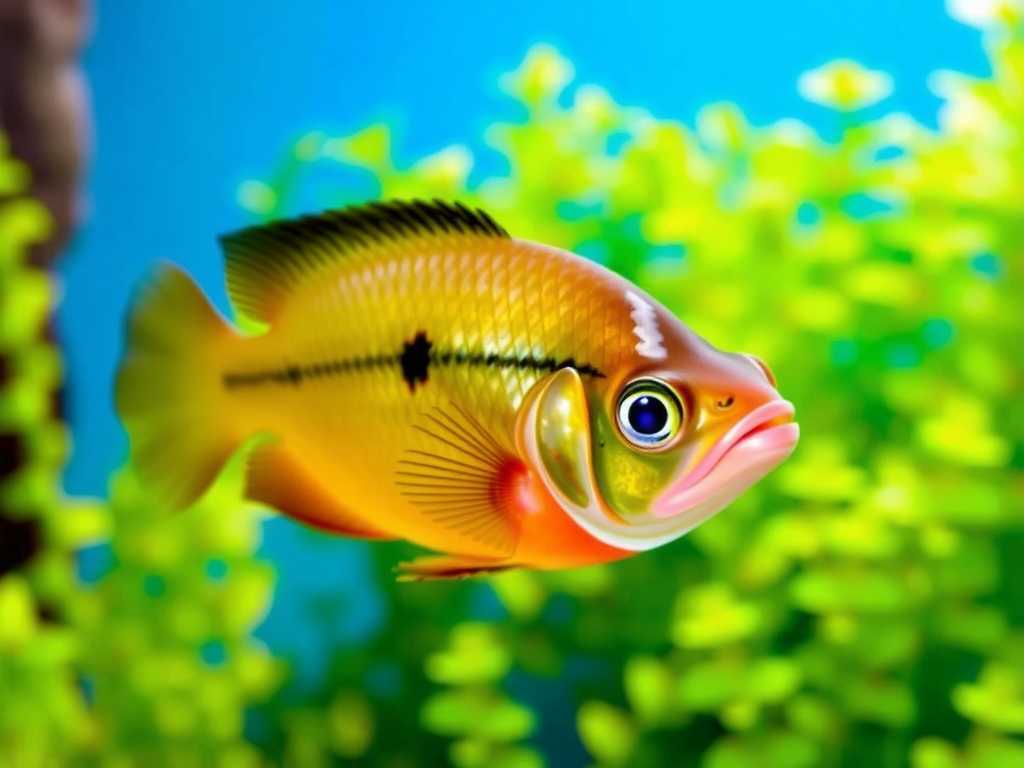
Before starting treatment, accurate identification is crucial. HLLE typically begins as small, pin-sized depressions or white spots around the head, often near the eyes and along the sensory pores of the lateral line. In advanced stages, these pits can enlarge, become inflamed, and may secrete a mucous-like substance. Affected fish might show lethargy, loss of appetite, and weight loss. It’s essential to distinguish HLLE from similar ailments like fungal infections or physical injuries, which require different treatments.
Primary Causes of HLLE in Aquarium Fish
The exact cause is often multifactorial, but several key contributors are well-documented by aquatic veterinarians.
- Nutritional Deficiencies: A leading theory points to a lack of essential nutrients. Diets poor in vitamins (especially C and D), minerals like calcium and phosphorus, and trace elements can compromise the fish’s immune system and epithelial health.
- Water Quality Stress: Chronic exposure to poor water conditions is a major trigger. High levels of dissolved organic pollutants, nitrates, and the use of activated carbon (which some believe may leach impurities) create a stressful environment.
- Parasitic Infection: The flagellate parasite Hexamita (often found in the intestines of cichlids and discus) is frequently associated with HLLE. The parasite itself or a systemic infection may contribute to the lesions.
- Other Contributing Factors: These include genetic predisposition, social stress from tank mates, and an overall weakened immune system.
Step-by-Step Treatment Plan for Hole-in-the-Head
A successful treatment strategy addresses both the symptoms and the underlying causes. A 2021 review in the Journal of Aquatic Animal Health emphasizes a multi-modal approach for best results.
1. Immediate Isolation and Water Optimization If you have a community tank, consider moving the sick fish to a clean, bare-bottom quarantine tank. This reduces stress and allows for targeted treatment. Regardless, your first action must be to test and perfect your water parameters. Perform a significant water change (40-50%) and ensure zero ammonia and nitrites, with nitrates kept below 20 ppm. Increase filtration and vacuum the substrate thoroughly to reduce organic waste.
2. Dietary Correction and Supplementation Revolutionize your fish’s diet. Immediately stop feeding old or low-quality flake foods.
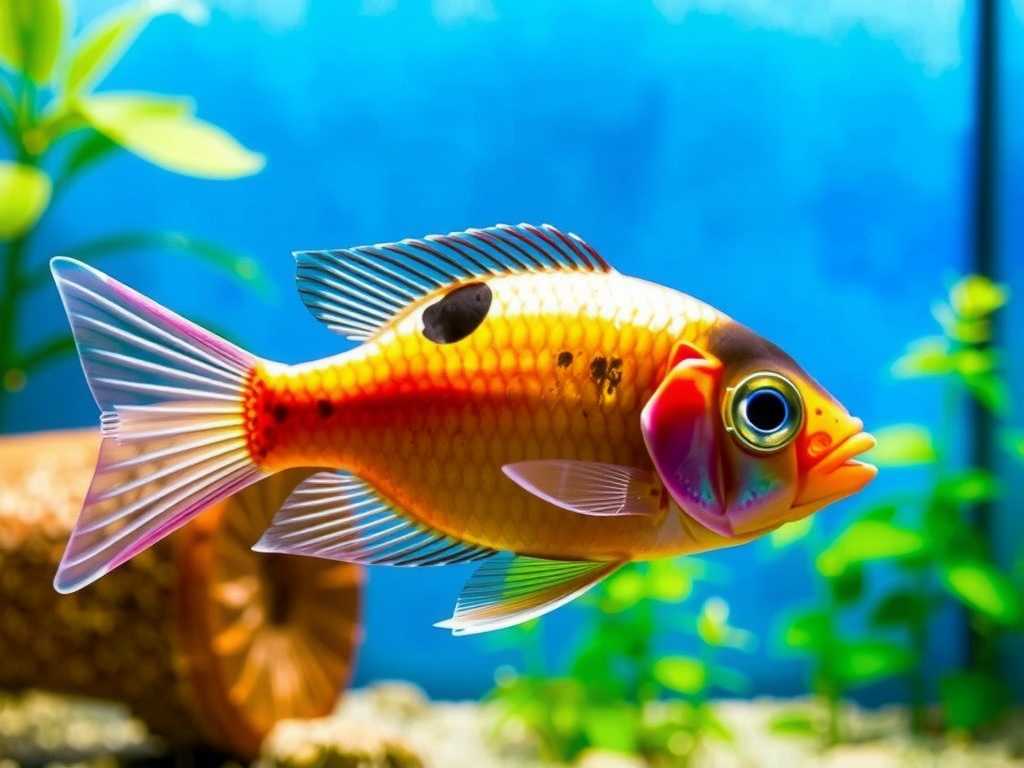
- Offer high-quality, varied foods: frozen or live brine shrimp, daphnia, and specially formulated pellets for the specific species.
- Supplement key nutrients: Soak foods in liquid vitamins or use supplements containing vitamins C, D, and A. Some aquarists report success with adding a small amount of unsweetened, calcium-fortified oatmeal or greens like blanched spinach to the diet of omnivorous species.
3. Medical Intervention for Severe Cases For advanced cases or when Hexamita is suspected, medication is necessary.
- Metronidazole: This is the most common and effective treatment. It can be administered by mixing medicated food (preferred method), adding to the water column, or in a bath treatment. Always follow the dosage instructions based on your aquarium’s volume.
- Epsom Salt Baths: For individual fish in a quarantine tank, a mild Epsom salt bath (1 tablespoon per gallon of water for 15-20 minutes) can help reduce inflammation and draw out fluids.
4. Environmental Stress Reduction Create a sanctuary for healing. Ensure the tank has adequate hiding places using plants or decor to make the fish feel secure. Dim the lighting slightly and minimize loud noises or vibrations near the tank. Maintain impeccable, stable water quality with consistent weekly water changes of 25-30%.
Effective Prevention Strategies for HLLE
Preventing hole-in-the-head disease in aquarium fish is far easier than curing it. Implement these practices to safeguard your aquatic pets.
- Provide a Species-Appropriate Diet: Research your fish’s natural dietary needs. Rotate between high-quality pellets, frozen, and live foods to ensure a full spectrum of nutrients. Avoid over-reliance on a single food source.
- Maintain Impeccable Filtration and Water Hygiene: Invest in a robust filtration system oversized for your tank. Clean filter media in tank water (not tap water) to preserve beneficial bacteria. Use a gravel vacuum weekly to remove detritus.
- Conduct Regular, Scheduled Water Changes: Consistent partial water changes are the cornerstone of preventive health. They dilute pollutants and replenish essential minerals.
- Quarantine New Additions: Always quarantine new fish, plants, or invertebrates for at least 2-4 weeks before introducing them to your main display tank. This prevents the introduction of parasites like Hexamita.
Commonly Asked Questions About Fish Head and Lateral Line Erosion
- Can hole-in-the-head disease spread to other fish in my tank? While HLLE itself is not directly contagious like some parasites, the underlying conditions that cause it (poor water quality, nutritional deficits) affect the entire tank environment. It is common for multiple fish in the same tank to develop symptoms if the root causes are not addressed.
- How long does it take for a fish to recover from HLLE? Recovery is a slow process. With prompt and correct treatment, you may see the lesions stop progressing within a week. However, for the pits to fully heal and re-grow tissue, it can take several weeks to months. Severely damaged areas may leave permanent scars.
- Is activated carbon in my filter causing this disease? The link is debated. Some studies and expert opinions suggest that low-quality or old activated carbon can release phosphates or impurities back into the water. If you suspect a link, remove the carbon and rely on mechanical and biological filtration, ensuring you perform regular water changes to manage dissolved organics.
Successfully managing hole-in-the-head disease requires patience, observation, and a commitment to holistic care. By focusing on pristine water conditions, a nutrient-rich diet, and a low-stress environment, you create a foundation where this condition is unlikely to occur. Early intervention at the first sign of symptoms dramatically increases the chances of a full recovery. Remember, the health of your ornamental fish is a direct reflection of their environment and care.

发表评论