 admin
admin How to Prevent Tank Leaks in Ornamental Fish Care: Essential Checks for a Secure Aquarium
Discovering a leak in your ornamental fish tank is a nightmare scenario for any aquarist. One moment you’re admiring your vibrant aquatic ecosystem, and the next, you’re scrambling to save your fish and prevent costly water damage to your home. The stress, potential loss of life, and financial burden make how to prevent tank leaks in ornamental fish care a critical skill for every hobbyist. This guide provides a comprehensive, step-by-step system of essential checks to safeguard your aquarium, giving you peace of mind and a secure environment for your fish.
The key to prevention is a proactive routine, combining careful selection, regular inspections, and mindful maintenance. By understanding the common failure points and implementing these checks, you transform from a reactive owner into a confident, prepared caretaker.
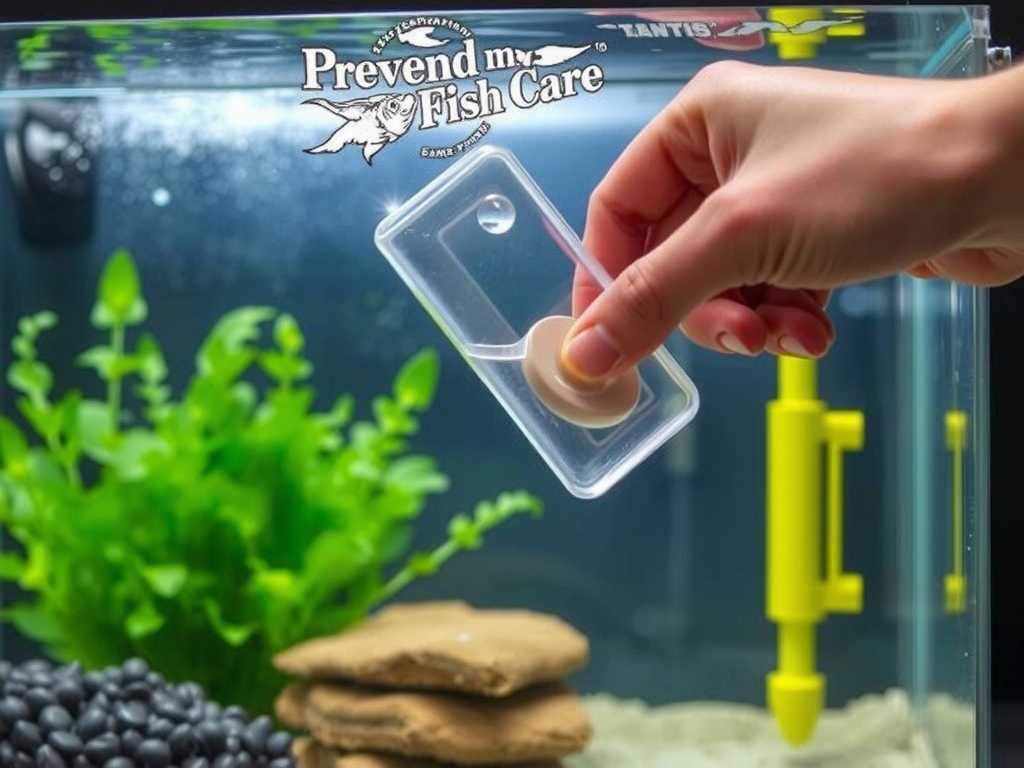
Understanding the Common Causes of Aquarium Leaks
Before diving into prevention, knowing where leaks typically originate helps you focus your inspections. Most leaks are not spontaneous; they result from gradual stress or preventable flaws.
- Sealant Failure: The silicone sealant bonding the glass panels together degrades over time (typically 7-15 years). Exposure to sunlight, constant moisture, and physical stress can cause it to become brittle, discolored, or separate from the glass.
- Glass or Acrylic Damage: A chip or crack from an impact, even a minor one during cleaning or moving, can create a stress point that eventually fails. Scratches on acrylic tanks can also deepen into cracks.
- Faulty Manufacturing: While rare, imperfections like uneven glass, poor silicone application, or flawed trim can be present in new tanks.
- Equipment Failure: Leaks often come from equipment, not the tank itself. A cracked filter housing, loose pipe fitting on a canister filter, or a malfunctioning heater can silently drain your aquarium.
- Support Surface Issues: An uneven or unstable stand causes the tank frame to twist, putting immense stress on the seams, which is a primary cause of catastrophic failure.
Your Proactive Leak Prevention Checklist
Implement this multi-layered checking strategy to catch problems long before they become emergencies.
Initial Setup: The Foundation of Safety
The prevention process begins before a single drop of water enters the tank.
Choosing and Inspecting a New or Used Tank Whether new or used, conduct a thorough dry inspection. Examine every inch of silicone. It should be smooth, evenly applied, and fully adhered to the glass with no bubbles, gaps, or thin spots. For used tanks, press firmly on the silicone; if it feels soft, gummy, or pulls away, the sealant needs replacement. Check for any hairline cracks, especially in the corners and along the edges. As noted by aquarist and author Carl Strohmeyer, "A tank's longevity is 90% determined by the quality of its initial setup and the stability of its environment."
Preparing the Perfectly Level Stand This is non-negotiable. Use a high-quality, purpose-built aquarium stand designed for the full weight of your tank (water weighs ~8.3 lbs per gallon). Place a piece of foam padding (like a yoga mat) between the tank and stand to cushion minor imperfections. Use a carpenter’s level on both the stand’s top surface and the tank’s bottom frame after placement. Shim the stand’s feet if necessary to achieve perfect levelness front-to-back and side-to-side.
The Crucial Leak Test Always perform a full leak test before adding substrate, decorations, or livestock. Place the empty tank on the stand in a safe area (like a garage or patio). Fill it to the brim with tap water and let it sit for at least 24-48 hours. Mark the waterline with tape. After the period, check the water level and meticulously inspect the exterior of every seam and the floor around the tank for any moisture. This test pressures the seals and reveals even the slowest leaks.
Ongoing Maintenance: The Routine Vigilance
Prevention doesn’t stop after setup. Integrate these checks into your regular maintenance schedule.
Weekly Visual Inspection During your weekly water change, make it a habit to quickly scan the tank’s silicone seams. Look for any new discoloration (white or milky areas can signal mold or separation), peeling, or gaps. Run your finger along the bottom seams inside the tank (with the water lowered) to feel for any unusual soft spots or lifting.
Monthly Equipment and Perimeter Check Once a month, turn your attention to all equipment. Inspect filter hoses, intake/outflow pipes, and the filter body itself for cracks or wear. Check the heater for any mineral buildup or cracks in the glass. Wipe the entire exterior of the tank, stand, and surrounding floor completely dry. Then, after a few hours, check if any new dampness has appeared, which would pinpoint a slow leak’s origin.
Managing Evaporation vs. Identifying a Leak A common concern is distinguishing between normal evaporation and a leak. Evaporation is consistent and leaves no water on the floor or cabinet. A leak causes unexplained, often irregular water loss and leaves traces of water outside the tank. If you suspect a leak, perform the "paper towel test": dry the suspected area and place a dry paper towel. Check it later for wet spots.
Long-Term Care and Risk Mitigation
Avoiding Physical Stress Never drag or slide the tank when it contains water or substrate. The lateral force can weaken seams. When cleaning the glass, use soft tools and avoid scraping near the silicone with metal blades. For acrylic tanks, use only approved acrylic-safe cleaners and pads.
Knowing When to Reseal or Replace All silicone has a lifespan. If your tank is over a decade old and you notice significant sealant degradation during inspections, consider a proactive resealing. This is a skilled task involving complete disassembly and cleaning of the glass. For many, investing in a new tank may be safer and more cost-effective.
Emergency Preparedness: Have a Plan Despite all precautions, have a backup plan. Keep a supply of water conditioner and a spare tank or large plastic tub clean and ready. Know how to quickly transfer your fish and filter media to a safe, temporary holding container with an air stone. This preparedness is the final, critical layer of responsible ornamental fish tank leak prevention.
Frequently Asked Questions
Can I fix a small leak with the tank full? We strongly advise against it. Underwater sealants sold for temporary fixes are not designed for long-term, high-pressure aquarium use and can be toxic to fish. They often fail and provide a false sense of security. The only reliable repair is to empty the tank, thoroughly clean and dry the area, and apply 100% aquarium-safe silicone to a perfectly prepared surface.
How often should I do a full leak test on an established tank? For a stable, established tank on a proper stand, a full annual leak test during a major deep-cleaning session is a prudent practice. However, your weekly and monthly visual and perimeter checks are more important for early detection.
Are some tank shapes or materials more leak-prone? All-glass rectangular tanks are generally the most reliable due to simple construction and even pressure distribution. Very large tanks, rimless tanks, and tanks with complex shapes (like bowed fronts) place more stress on seams and require higher manufacturing quality and more vigilant support. Acrylic is more prone to scratching, which can lead to cracks, but its seamless construction can eliminate seam leaks.
A secure aquarium is the unseen foundation of successful ornamental fish care. By adopting this systematic approach—from meticulous setup and routine inspections to understanding equipment risks and having an emergency plan—you dramatically reduce the chance of a disruptive and dangerous leak. Consistency is your greatest tool. Integrating these simple checks into your regular hobby routine ensures that your focus remains where it should be: on enjoying the beauty and tranquility of your thriving aquatic world.

发表评论