 admin
admin How to Choose Nano Tanks in Ornamental Fish Care: Small Spaces
You’re captivated by the serene beauty of a thriving aquarium, but your living space is limited. The idea of a large, complex setup feels overwhelming and impractical. This is where the world of nano tanks shines, offering a gateway into ornamental fish care for small spaces. However, choosing the right one is more than just picking the smallest glass box on the shelf. A poorly selected nano aquarium can lead to unstable water conditions, stressed fish, and quick disappointment. This guide will walk you through every critical step to select a nano tank that not only fits your space but also fosters a healthy, vibrant miniature ecosystem.
Understanding the Nano Tank Niche
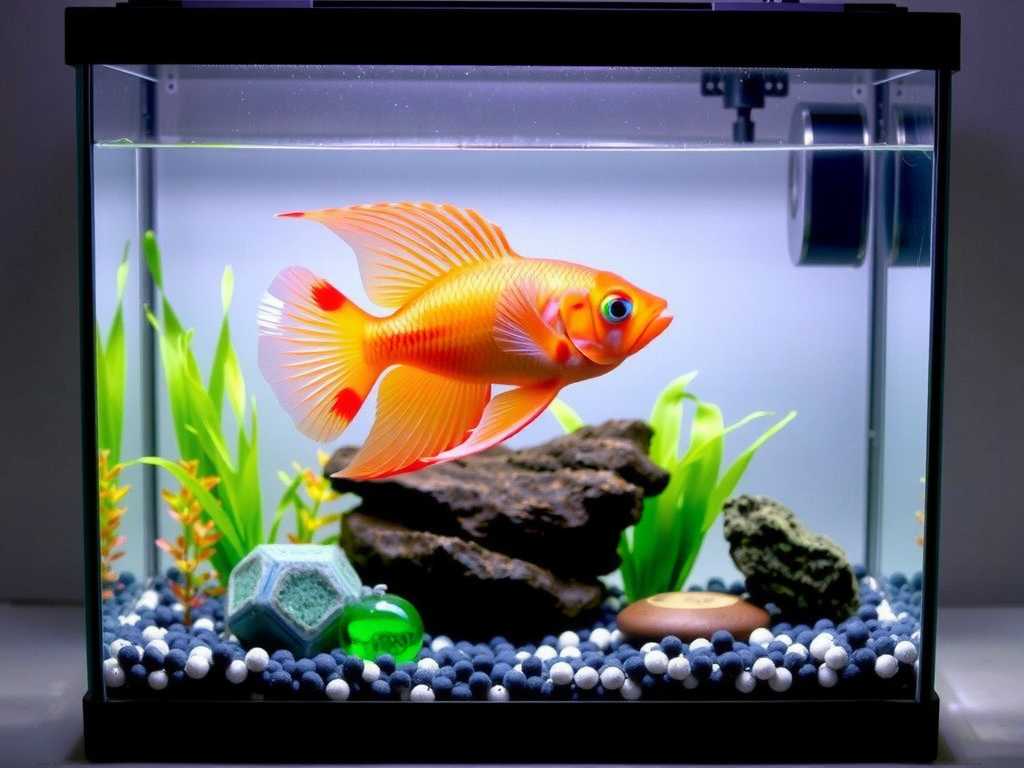
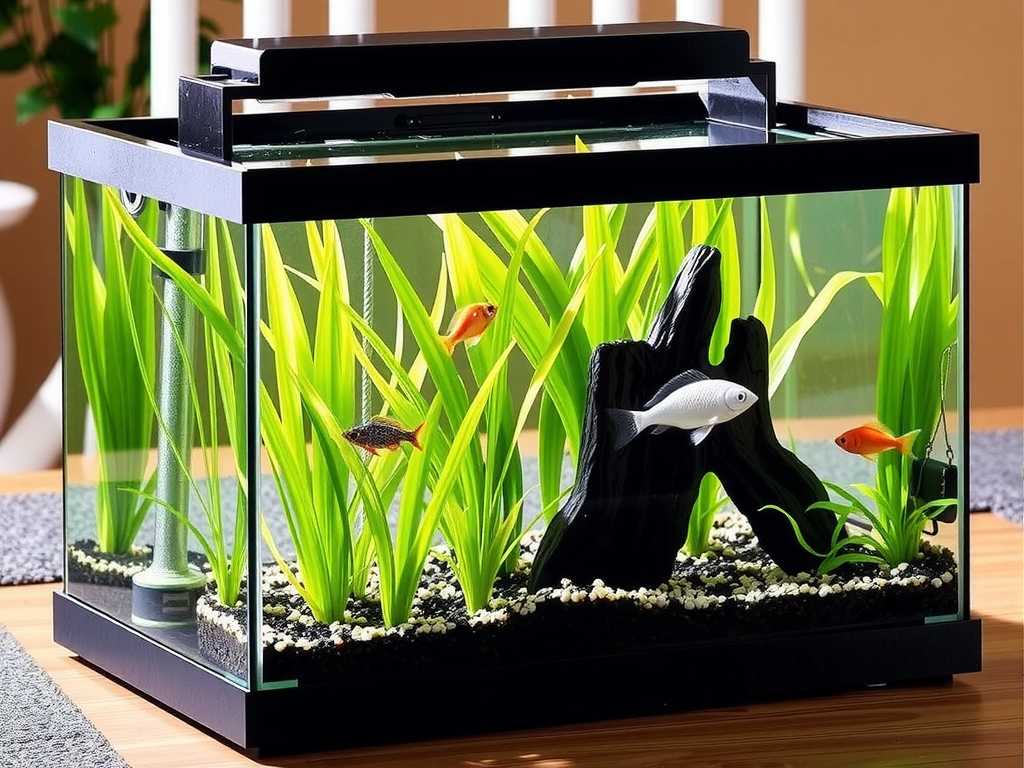
First, let’s define our scope. In the aquarium hobby, a nano tank typically refers to any freshwater or marine aquarium under 10 gallons (approximately 38 liters). These compact systems are perfect for desktops, countertops, or small apartments. Their appeal lies in their minimal footprint, lower initial cost, and the unique challenge of creating a balanced, scaled-down aquascape. However, their small water volume is a double-edged sword. While they are easier to manage physically, they are far more susceptible to rapid changes in water chemistry, making informed selection and setup paramount.
Key Factors for Choosing Your Nano Aquarium
Your journey begins with the tank itself. This foundational choice impacts every other decision you will make.
Material and Build Quality The two primary materials are glass and acrylic. Glass tanks are scratch-resistant, less prone to discoloration, and often more affordable. Acrylic tanks are lighter, offer more shape flexibility (like rimless designs), and are less likely to shatter, but they can scratch easily during cleaning. For a small aquarium, ensure the silicone seams are even, bubble-free, and the structure sits perfectly level on a stand.
Size and Dimensions: It’s Not Just About Gallons While a 5-gallon tank might sound ideal, its shape is crucial. A tall, narrow tank offers less surface area for gas exchange than a long, shallow one of the same volume. Greater surface area promotes better oxygen levels. Furthermore, consider the actual footprint. Will it fit perfectly on that specific piece of furniture? Always measure your intended space and check the tank’s dimensions before purchasing. For beginners in ornamental fish care, a standard-shaped 5 to 10-gallon tank often provides the most stable starting point.
Essential Equipment for a Stable Mini Ecosystem
A nano tank’s stability hinges on its supporting equipment. Skimping here is the most common reason for failure.
Filtration: The Life Support System For a small fish tank, filtration is non-negotiable. You need a filter that provides mechanical, chemical, and biological filtration without creating a torrential current. Hang-on-back (HOB) filters and small internal power filters are popular choices. Sponge filters, powered by an air pump, are excellent for nano setups as they provide gentle filtration and harbor beneficial bacteria. As noted by aquarist and author Chris Eng, “In nano aquariums, the filter isn’t just cleaning water; it’s the primary engine for the nitrogen cycle. Over-filtering is a wise strategy.”
Lighting: For Plants and Aesthetics Lighting dictates what you can grow. If you desire a lush planted nano tank, you’ll need a full-spectrum LED light strong enough to support plant growth but not so intense it fuels rampant algae. For fish-only setups, a simple LED for viewing is sufficient. Many modern nano kits come with integrated, appropriate lighting.
Heating and Temperature Control Small water volumes cool and heat rapidly. A reliable, fully submersible heater with an adjustable thermostat is essential for tropical species. Choose a heater rated for your tank’s volume (typically 3-5 watts per gallon) and always use a separate thermometer to verify the temperature. Consistency is key to preventing fish stress.
Selecting Suitable Inhabitants for a Small Aquarium
This is the most critical step for animal welfare. The mantra “less is more” has never been truer.
The Stocking Philosophy A common guideline is one inch of adult fish length per gallon of water, but this is a maximum, not a target, and must be adjusted for the fish’s activity level and waste production. Understocking is the golden rule for nano fish tanks. Your bioload (the waste produced) must remain low enough for your filter and maintenance routine to handle.
Ideal Nano Fish and Tank Mates Focus on tiny, peaceful species that dwell in different levels of the tank. Popular choices include:
- Small schooling fish: Ember Tetra, Chili Rasbora, Neon Green Rasbora.
- Centerpiece fish: A single Betta (in a 5-gallon minimum), a pair of Scarlet Badis, or a dwarf puffer (species-only tank).
- Bottom dwellers: Dwarf Corydoras (e.g., Pygmy Cory), Otocinclus catfish (excellent algae eaters).
- Invertebrates: Neocaridina and Caridina shrimp (like Cherry Shrimp), and snails (Nerite, Mystery) are fantastic for nano ecosystems.
Never choose fish that will outgrow the tank, are overly active, or produce significant waste, such as goldfish or common plecos.
The Role of Plants and Hardscape Live plants are not just decorative; they are functional filtration, absorbing nitrates and providing shelter. Hardy plants like Anubias, Java Fern, Moss Balls, and stem plants like Rotala are perfect for beginners. Hardscape (driftwood, rocks) adds visual depth and territory for fish, reducing aggression. A well-planned aquascape for limited space mimics nature and contributes to ecological balance.
Setup and Ongoing Maintenance: The Path to Success
Proper setup prevents future problems. Start by placing your tank on a dedicated, weight-bearing stand or furniture. Rinse the substrate (never use soap!) and add hardscape. Fill the tank partially, plant your flora, then fill completely. Install and start your equipment. You must cycle your tank—establishing beneficial bacteria—before adding any fish. This process can take 4-6 weeks and is non-negotiable for healthy ornamental fish care.
Maintenance is more frequent but less labor-intensive per session than large tanks. A weekly routine should include:
- A 20-30% water change using a gravel vacuum.
- Wiping algae from the glass.
- Checking filter media (rinse in removed tank water, never tap water).
- Testing water parameters (Ammonia, Nitrite, Nitrate, pH) with a liquid test kit.
How many fish can I really keep in a 5-gallon nano tank? In a well-maintained 5-gallon tank, a single Betta, a small colony of shrimp (10-15), or a tiny school of 5-6 very small fish like Chili Rasboras is the maximum. It is always better to err on the side of fewer inhabitants to ensure water quality remains pristine.
Can I use tap water for my nano aquarium? Yes, but tap water contains chlorine or chloramines that are toxic to fish. You must always treat it with a water conditioner before adding it to your tank during water changes or initial setup. Letting water sit only removes chlorine, not chloramines.
Why are my fish dying even though my filter is running? A running filter does not guarantee a cycled tank. The most likely cause is “New Tank Syndrome,” where toxic ammonia and nitrite spike because beneficial bacteria haven’t established. This underscores the absolute necessity of the cycling process before adding livestock. Other causes could be overstocking, overfeeding, or a sudden temperature change.
Choosing and maintaining a nano tank is a rewarding exercise in precision and patience. By prioritizing tank stability through quality equipment, responsible stocking, and diligent maintenance, you can create a breathtaking underwater world in the smallest of spaces. Remember, success in nano fish tanks comes from understanding that less volume requires more attention to detail. Start small, research thoroughly, and enjoy the intimate beauty of your own miniature aquatic masterpiece.
发表评论