 admin
admin How to Keep Fish Entertained in Ornamental Fish Care: A Complete Guide to Enrichment
Does your fish seem to just drift from one side of the tank to the other, appearing bored or listless? Many aquarium owners overlook a crucial aspect of pet care: mental stimulation. Just like dogs, cats, or birds, fish are intelligent creatures that can experience stress and boredom in a barren environment. This is where the concept of fish enrichment becomes essential. Enrichment in ornamental fish care involves enhancing their living space and daily routines to promote natural behaviors, reduce stress, and improve overall well-being. A stimulated fish is a healthier, more vibrant, and more active fish. This guide will delve into practical, effective strategies to keep your aquatic pets engaged and entertained, transforming your tank from a simple container into a dynamic habitat.
Understanding the Need for Mental Stimulation in Fish
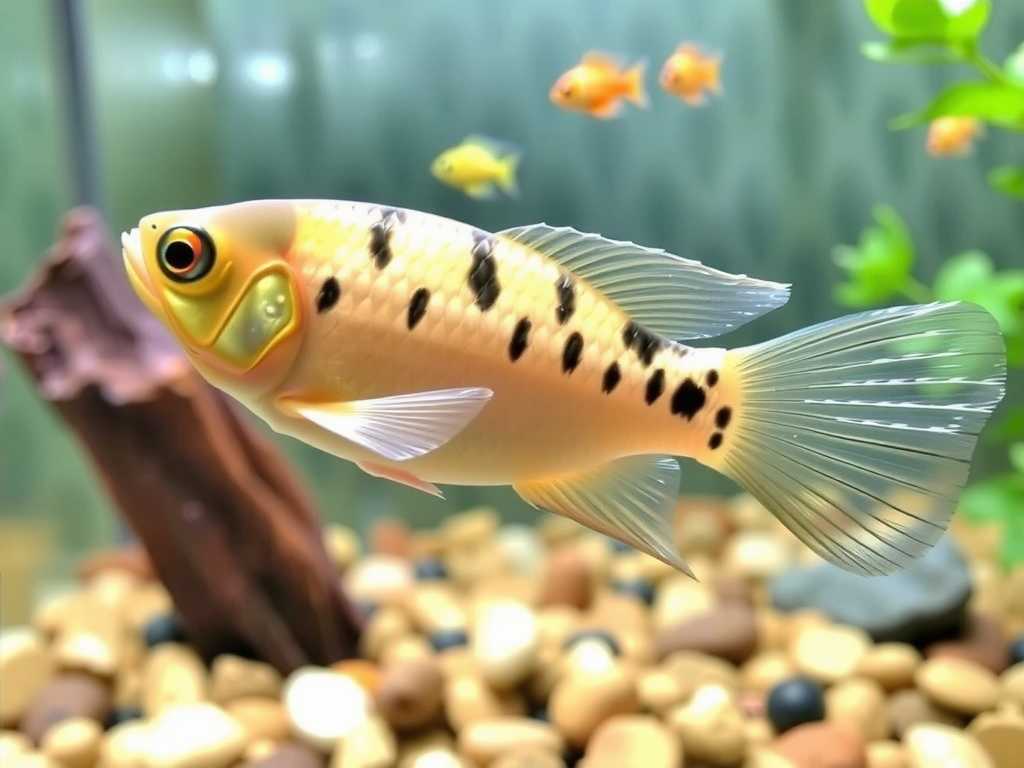
The old belief that fish have a three-second memory is a complete myth. Scientific studies on various species, from goldfish to bettas and cichlids, have demonstrated impressive cognitive abilities, including problem-solving, spatial learning, and social recognition. In the wild, fish spend their days foraging for food, exploring complex landscapes, navigating social hierarchies, and avoiding predators. A standard aquarium, with its bare walls and predictable feeding schedule, strips away these vital challenges. This lack of engagement can lead to chronic stress, which weakens the immune system, increases susceptibility to disease, and can manifest in repetitive, stereotypic behaviors like glass surfing or excessive hiding. Therefore, implementing enrichment is not a luxury; it’s a fundamental component of responsible ornamental fish care.
Creating a Dynamic and Engaging Habitat
The foundation of keeping fish entertained is the tank itself. Your aquarium’s layout is their entire world, and it should be as interesting as possible.
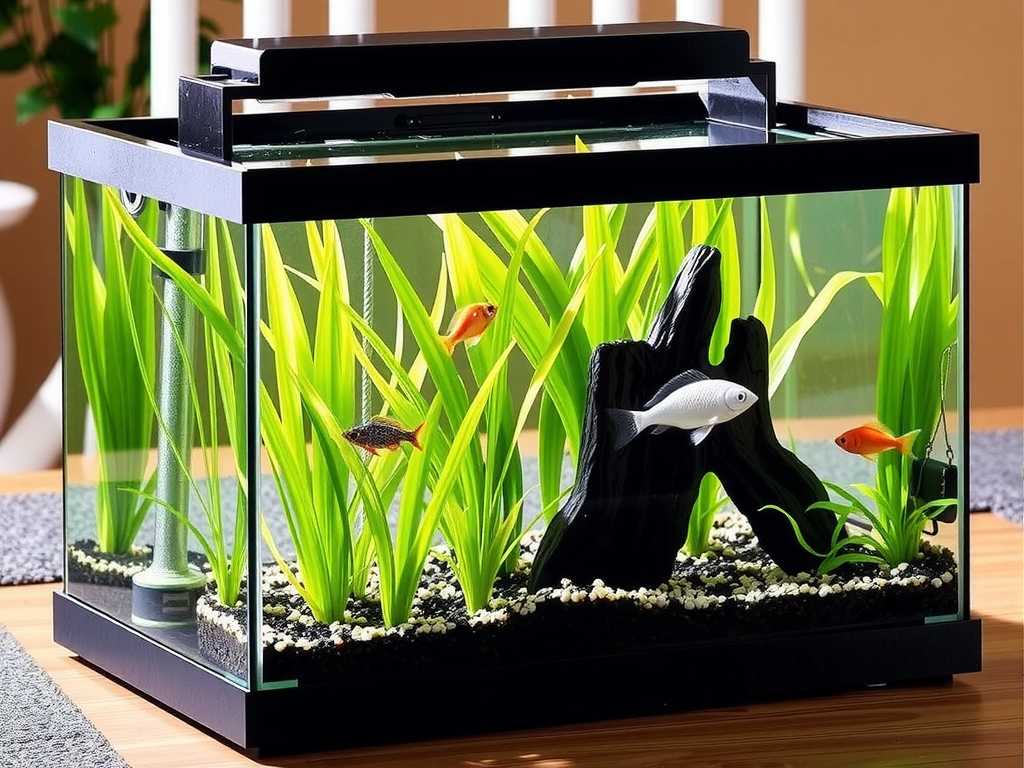
- Complex Aquascaping: Move beyond a plain gravel bed and a single ornament. Use a variety of elements to create a textured, three-dimensional landscape. Layer different sizes of substrate, incorporate smooth river rocks, and use driftwood to form arches and caves. Live plants are unparalleled for enrichment; they provide hiding spots, surfaces to explore, and even occasional snacks. Fish like tetras, gouramis, and loaches will weave through dense plant thickets, mimicking their natural environments.
- Strategic Hiding Places: Hiding is a natural stress-reliever and a source of entertainment. Ensure you have multiple hiding spots suitable for all tank inhabitants. Use PVC pipes, terracotta pots (with sealed holes), commercial caves, and rock piles. Arrange them so shy fish can traverse the tank while remaining under cover. Observing a fish cautiously explore a new cave is a clear sign of active engagement.
- Environmental Variety: Periodically making safe, minor changes to the tank layout can provide novel stimulation. Every month or during a water change, gently move a piece of driftwood or a rock formation to a new location. This encourages re-exploration and prevents the habitat from becoming monotonous. Always monitor fish for signs of stress after changes and ensure the alterations do not disrupt established territories too aggressively.
Innovative and Interactive Feeding Strategies
Predictable feeding is a primary source of boredom. Transforming mealtime into a cognitive challenge is one of the most effective forms of aquatic enrichment.
- The Feeding Ring Challenge: Instead of scattering flakes on the surface, use a feeding ring. Place live or frozen food like brine shrimp or daphnia inside the ring and watch fish learn to target their meals from a specific area, improving their precision.
- DIY Foraging Toys: Engage their natural foraging instincts. For larger fish like cichlids or goldfish, create a “snack ball” by placing defrozen peas or bloodworms inside a hollow, clean ping-pong ball with a few small holes. They will nudge and chase the ball to release the food. For smaller fish, attach a leafy green like spinach to a clip; they will spend hours pecking at it.
- Food Dispenser Puzzles: Commercial or homemade puzzle feeders are excellent. A simple version involves placing dry food inside a clean, clear jar with a narrow opening (like a small spice jar) and submerging it. Fish will learn to bump the jar to dispense food. Renowned aquarist and author Dr. David Scarfe notes, “Feeding enrichment that requires problem-solving not only alleviates boredom but can also reduce aggressive behaviors by redirecting energy into a positive activity.”
Introducing Social and Sensory Enrichment
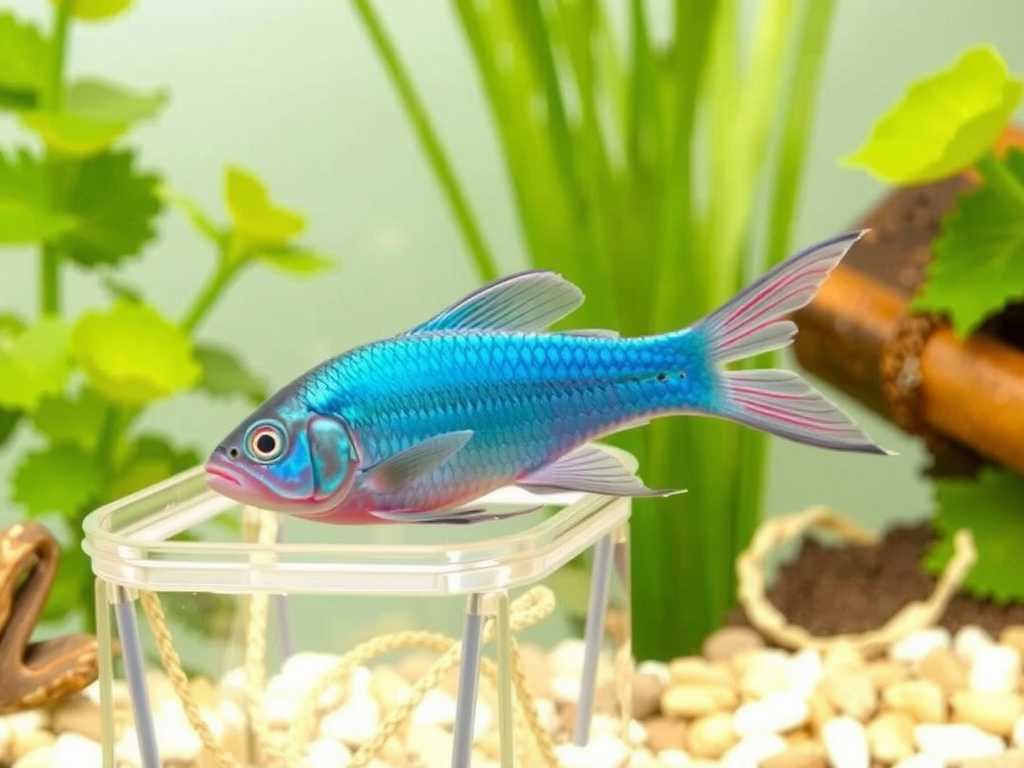
Entertainment for fish often comes from interaction, both with their environment and their tankmates.
- Conspecific Socialization: Many fish are highly social. Keeping them in appropriate groups, or “schools” for species like tetras or rasboras, is a basic form of social enrichment. They communicate, establish hierarchies, and swim in coordinated patterns, which is mentally stimulating and reduces anxiety.
- Safe Tankmate Interactions: A carefully planned community tank with compatible species provides constant, low-level stimulation. Watching the different behaviors of bottom-dwellers, mid-water swimmers, and surface fish creates a dynamic ecosystem. Always research compatibility thoroughly to avoid stress from aggression.
- Sensory Stimulation: Consider the sensory world of your fish. Gentle, varied water flow from a wavemaker or adjustable pump can simulate natural currents, encouraging fish to swim against them for exercise. Introducing new, safe scents by occasionally adding a crushed, rinsed pea or a drop of aquarium-safe amino acids can trigger exploratory behavior. Even the careful use of tank-safe mirrors for short periods can provide visual stimulation for territorial fish like bettas, allowing them to “display” without the risk of injury from a real rival.
What are some simple, cheap DIY enrichment ideas I can try today? Start with food-based enrichment. Clip a piece of organic zucchini or cucumber to the side of the tank. Create a foraging device by putting some frozen food in a clean ice cube tray compartment with a small hole and floating it. Even simply changing the location where you drop their food each day provides novel mental stimulation.
Can too much enrichment or change stress my fish out? Yes, moderation and observation are key. Fish thrive on routine, so introduce one new enrichment item or change at a time. Watch their behavior. If they are actively exploring and interacting, it’s positive. If they are hiding excessively, breathing rapidly, or losing color, remove the new item and give them time to adjust. The goal is gentle stimulation, not overwhelming novelty.
Is enrichment only for “smart” fish like cichlids or bettas? Absolutely not. All fish species benefit from an environment that allows them to express natural behaviors. A school of neon tetras will be more vibrant and active in a densely planted tank than in a bare one. Bottom-feeding catfish enjoy having different substrates and caves to sift through. Tailoring the enrichment to the species’ natural history is what makes it effective.
Providing enrichment in your aquarium is a rewarding journey that deepens your connection to your aquatic pets. By moving beyond basic survival needs to consider their psychological well-being, you become a more attentive and responsible caretaker. A tank designed with mental stimulation in mind is not only healthier for the fish but also far more fascinating and beautiful to observe. The sight of your fish actively exploring, foraging, and interacting is the ultimate reward, proving that a thoughtful approach to ornamental fish care creates a thriving underwater world full of life and activity.
发表评论