 admin
admin How to Choose Planted Tanks in Ornamental Fish Care: Plant-Safe Fish
You’ve spent hours meticulously designing your planted aquarium, carefully selecting each stem and carpeting plant to create a lush underwater landscape. Just as you sit back to admire your work, you notice your new fish are tearing leaves apart, uprooting your delicate carpet, or nibbling everything in sight. Your beautiful aquascape is being destroyed, and the frustration is real. This common nightmare highlights a critical, often overlooked step in aquarium keeping: choosing fish that will thrive in and respect your planted environment. Success lies not just in the plants or the fish alone, but in their perfect harmony. This guide is dedicated to helping you select truly plant-safe fish, ensuring your aquatic garden remains a vibrant, thriving centerpiece.
Understanding Plant Compatibility in Fish Behavior
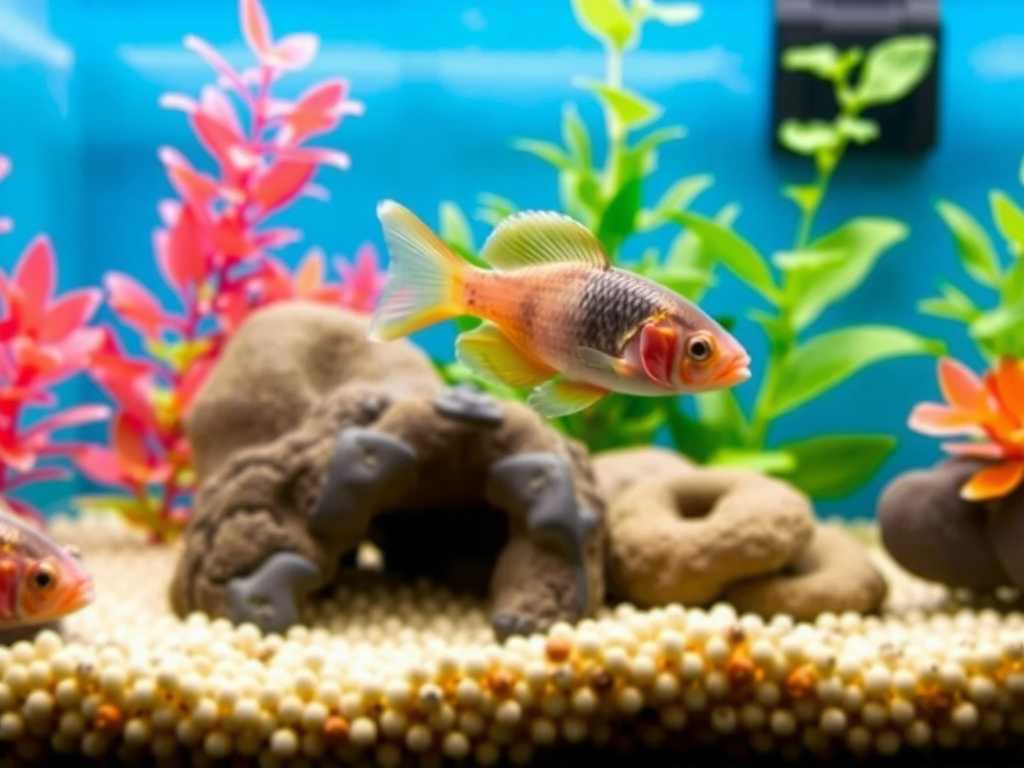
Not all fish that ignore plants are created equal. Understanding the "why" behind fish behavior is the first step to making a safe choice. We can categorize fish based on their potential impact on aquarium flora.
True Plant-Safe Community Fish are the ideal residents. These species have no natural dietary or behavioral inclination to damage plants. They typically feed on prepared foods, small insects, or algae. Their swimming patterns and social behaviors do not involve digging or picking at leaves. Examples include small tetras, rasboras, livebearers like guppies and platies, and hatchetfish. They view plants as shelter, not food or toys.
Opportunistic Nibblers and Diggers pose a subtle risk. This group may not actively seek out plants but can cause damage under certain conditions. This includes fish like goldfish, which are notorious for uprooting plants as they forage, or some cichlids that rearrange the substrate for breeding. While they may coexist with hardy plants, delicate species will suffer.
Definite Plant Predators should generally be avoided in a standard planted tank. These fish have a natural diet that includes vegetative matter. Prominent examples are certain plecos, silver dollars, and scats. They will consistently consume tender leaves and shoots, making it nearly impossible to maintain a planted setup. As noted by aquascaping expert Takashi Amano, "The selection of livestock is the final, crucial brushstroke in the living painting of an aquascape." Choosing the wrong "brushstroke" can undo all your hard work.
Key Criteria for Selecting Plant-Safe Fish
Making an informed decision requires looking beyond the common name at the pet store. Consider these essential factors:
Dietary Habits: Research the fish's primary diet in the wild. Is it an omnivore with a strong herbivorous component, a carnivore, or an insectivore? Herbivores and omnivores with a taste for algae and plants are high-risk. Carnivores and insectivores are typically safer bets. Always cross-reference with multiple reputable sources or expert guides.
Temperament and Size: A fish's behavior and adult size are paramount. Large fish, even peaceful ones, can accidentally damage plants simply by swimming through them. Boisterous or territorial fish may trample or uproot plants during chasing or spawning. Opt for small to medium-sized, calm species known for peaceful community living.
Activity Zone: Where does the fish spend most of its time? Surface-dwelling fish (e.g., hatchetfish) rarely interact with mid or background plants. Mid-water swimmers (e.g., tetras) are generally safe for all plant zones. Bottom dwellers require careful selection; while Corydoras catfish are excellent, some loaches or large cichlids can be disruptive diggers.
Top Recommended Plant-Safe Fish for Your Aquarium
Based on the criteria above, here are some excellent and reliable choices for a planted aquarium.
Small Schooling Fish (Mid to Top Water):
- Ember Tetras, Neon Tetras, Cardinal Tetras: These bring dazzling color and dynamic schooling behavior without any interest in plants.
- Harlequin Rasboras, Chili Rasboras: Peaceful, hardy, and their striking colors contrast beautifully against green foliage.
- Celestial Pearl Danios: A stunning, small fish perfect for nano planted tanks. They are peaceful and completely plant-safe.
Peaceful Livebearers & Others:
- Endler’s Livebearers, Guppies: They add movement and color to the top and middle layers. They may occasionally pick at biofilm but leave plants untouched.
- Sparkling Gouramis: A small, peaceful gourami species. They are curious but will not harm plants.
- Pencilfish: Their unique angled swimming and peaceful nature make them a fascinating and safe addition.
Ideal Bottom Dwellers:
- Pygmy Corydoras, Habrosus Corydoras: Tiny, social catfish that gently sift the substrate for food without disturbing plant roots.
- Otocinclus Catfish: The premier algae-eating crew for planted tanks. They focus on soft algae films on leaves and glass, leaving healthy plant tissue alone.
- Asian Stone Catfish: A unique, extremely peaceful bottom dweller that poses no threat to any plants.
Fish to Avoid or Approach with Extreme Caution
For the sake of your aquascape, it is best to avoid these popular fish unless you are prepared for significant plant damage or are using only the toughest species like Java Fern or Anubias.
- Silver Dollars, Pacus, Scats: These are dedicated herbivores that will voraciously consume most aquatic plants.
- Common Plecos (Hypostomus plecostomus): As they grow, they may rasp on broad-leafed plants, damaging their surfaces. Smaller, safer algae-eaters like Bristlenose Plecos can be an alternative, but monitor their behavior.
- Most Goldfish Varieties (especially Commons and Comets): They are cold-water fish with different needs and are prolific diggers and nibblers.
- Large or Territorial Cichlids (e.g., Oscars, Jack Dempseys): Their digging and rearranging behaviors are incompatible with a carefully scaped planted tank.
Creating a Balanced, Thriving Ecosystem
Selecting the right fish is the cornerstone, but a truly resilient planted tank is a balanced ecosystem. Ensure your plants are healthy and growing vigorously, as weak or melting plants can attract even usually safe fish to nibble. Provide a high-quality, balanced diet for your fish; well-fed fish are less likely to sample your plants out of curiosity or hunger. Finally, introduce fish slowly and observe their behavior. Quarantine new arrivals to prevent the introduction of pests or diseases that could weaken your plants.
Can I keep shrimp and snails in my planted tank with plant-safe fish? Absolutely. Dwarf shrimp like Cherry Shrimp and Amano Shrimp are excellent companions in a planted tank and help clean up debris. Small snails like Nerite Snails are superb algae eaters. Just ensure the fish you choose are not large enough to prey on adult shrimp; small tetras and rasboras are typically safe.
What if my previously peaceful fish starts nipping at plants? This is often a sign of dietary deficiency or boredom. First, re-evaluate their diet. Are you providing enough vegetable matter, such as blanched zucchini or high-quality spirulina flakes? Secondly, ensure their environment is enriched with hiding places and, for schooling fish, adequate numbers of their own kind to reduce stress.
Are there any "safe" cichlids for planted tanks? Yes, some smaller, less aggressive cichlids can work. Keyhole Cichlids and certain dwarf cichlids from South America, like the Apistogramma species, can often be kept successfully in well-structured, spacious planted tanks. However, be prepared for some minor digging, especially during breeding, and use sturdy, well-rooted plants.
Building a beautiful planted aquarium is a rewarding journey that blends art and science. The harmony between flora and fauna is its foundation. By prioritizing plant-safe fish, you invest in the long-term stability and beauty of your aquatic ecosystem. Your tank will not only be a visual masterpiece but a thriving, balanced habitat where every inhabitant, from the smallest leaf to the most colorful fish, can flourish together. Let informed selection be your guide to a peaceful and perpetually green underwater world.
发表评论