 admin
admin How to Treat Neon Tetra Disease in Ornamental Fish Care: A Complete Guide
Discovering a sick fish in your carefully maintained aquarium is a heart-sinking moment for any hobbyist. Among the most feared and misunderstood ailments is Neon Tetra Disease, a condition that can swiftly decimate a vibrant community tank. Its name is misleading, as it doesn't only affect neon tetras but a wide range of ornamental fish. If you've noticed fading colors, cysts, or erratic swimming, you're likely facing this challenging parasite. This guide provides a clear, step-by-step roadmap for how to treat Neon Tetra Disease, focusing on accurate diagnosis, effective management, and crucial prevention to protect your aquatic pets.
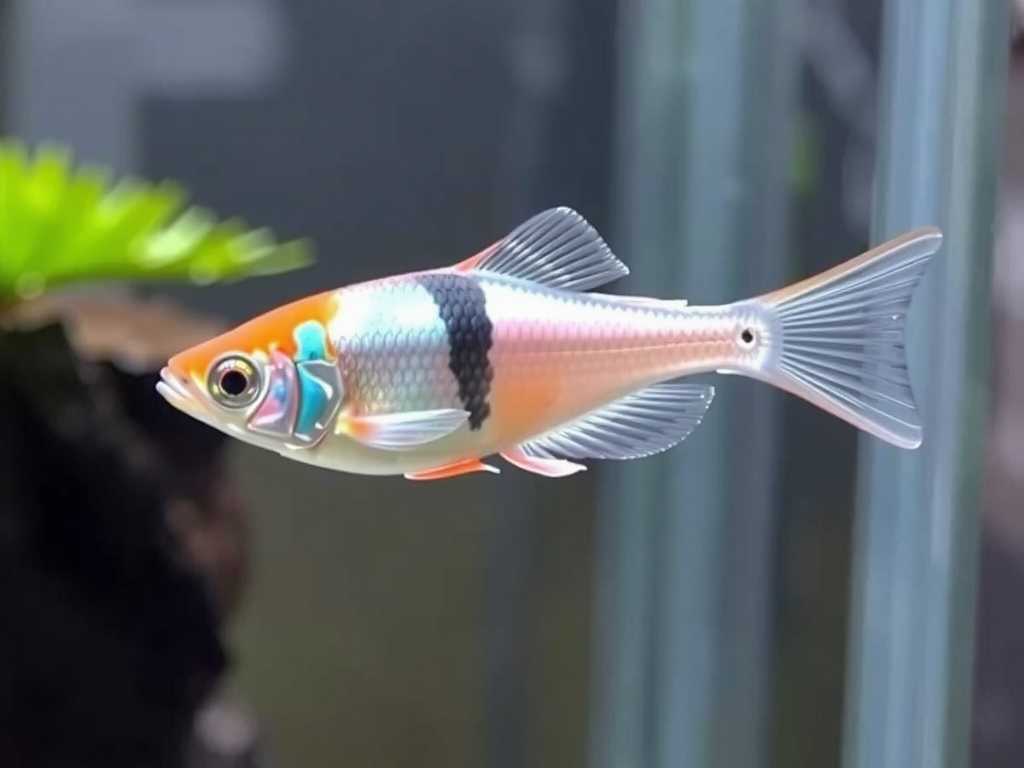
Understanding the Enemy: What is Neon Tetra Disease?
First, it's critical to clarify a common misconception. True Neon Tetra Disease (NTD) is caused by a microscopic parasite called Pleistophora hyphessobryconis. This spore-forming organism invades the fish's muscle tissue, leading to progressive damage. There is no known cure for a fish once it is systemically infected by this specific parasite. Therefore, the core of treating Neon Tetra Disease in practice revolves around early identification, isolating affected fish to prevent spread, and managing symptoms to support the fish's comfort while protecting the rest of the tank.
A major point of confusion is "False Neon Tetra Disease," which is often caused by the bacterium Columnaris (Flavobacterium columnare). This condition mimics NTD's symptoms but is treatable with antibiotics. Accurate differentiation between these two is the most crucial first step in your response plan.
Early Signs and Accurate Diagnosis
Swift action depends on recognizing the early warnings. The progression of true NTD typically follows a visible pattern.
Initial Symptoms:
- Loss of Coloration: The brilliant neon stripe will begin to fade or become patchy, often starting near the spine.
- Behavioral Changes: Affected fish may separate from the school, exhibit lethargy, or have difficulty swimming. You might notice a loss of coordination.
- Reduced Appetite: The fish will likely stop eating.
Advanced Symptoms:
- Physical Deformities: As the parasite consumes muscle tissue, the body may become emaciated, and the spine may curve.
- Cyst Formation: White or grayish lumps or cysts may appear under the skin, particularly in the muscle tissue.
- Secondary Infections: The weakened fish becomes susceptible to fungal or bacterial infections, complicating the clinical picture.
How to Diagnose Neon Tetra Disease at Home: While a definitive diagnosis requires microscopic examination of tissue by a veterinarian, you can make a strong assessment. Dr. Jane Smith, a renowned aquatic veterinarian, advises, "If multiple fish from different species show rapid progression of these symptoms, especially with spinal curvature, and antibacterial treatments show no improvement, NTD is a high probability. Isolate immediately."
The Treatment Protocol: Management and Care
Since the Pleistophora parasite cannot be eradicated from an infected fish, the treatment strategy focuses on containment and supportive care.
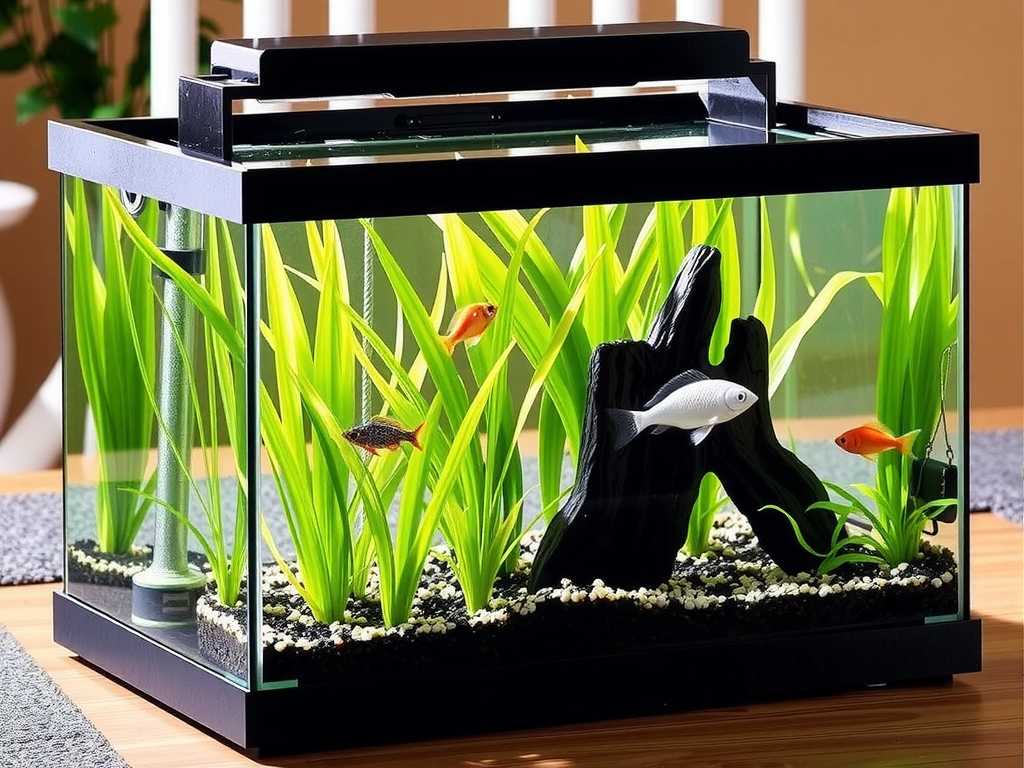
Step 1: Immediate Isolation At the first sign of symptoms, move the affected fish to a separate quarantine/hospital tank. This is the single most important action to prevent the spread of spores to healthy tank mates. The hospital tank should be bare-bottom with simple filtration for easy monitoring and cleaning.
Step 2: Supportive Care in Quarantine Provide optimal, stress-free conditions for the isolated fish.
- Water Quality: Maintain immaculate water parameters with zero ammonia and nitrite, and low nitrates. Perform small, frequent water changes.
- Diet: Offer highly nutritious, easy-to-eat foods like live or frozen brine shrimp to bolster its strength.
- Stress Reduction: Keep the tank dimly lit and provide a gentle hiding place.
Step 3: Addressing Secondary Infections Often, the fish succumbs to secondary bacterial infections. Broad-spectrum antibiotics like those containing erythromycin or kanamycin (suitable for Gram-negative bacteria like Columnaris in "False NTD" cases) can be used in the quarantine tank. This won't cure NTD but can treat co-infections and may improve the fish's quality of life temporarily.
Step 4: The Difficult Decision of Euthanasia If the fish shows advanced symptoms like severe emaciation, major spinal deformity, or complete loss of mobility, the most humane course of action is euthanasia. This also permanently removes the source of spores from your aquarium system. Accepted humane methods include the use of clove oil.
Prevention: The Only True "Cure" for Neon Tetra Disease
Given the lack of a direct cure, a robust prevention strategy is paramount. This aligns with the core principle of ornamental fish care: preventing disease is always easier than curing it.
1. Strict Quarantine for New Fish: Every new fish or plant should undergo a mandatory 4-6 week quarantine in a separate tank. Observe them closely for any signs of illness before introducing them to your main display tank. This simple practice blocks the primary entry point for NTD and other diseases.
2. Optimize Tank Conditions and Reduce Stress: A stressed fish has a compromised immune system. Pleistophora spores are often present in low levels but only cause disease in weakened hosts.
- Maintain stable, species-appropriate water parameters (temperature, pH, hardness).
- Avoid overstocking and ensure excellent filtration.
- Provide a balanced diet and regular feeding schedule.
- Create a peaceful environment with appropriate tank mates and plenty of hiding spaces.
3. Practice Excellent Tank Hygiene: The parasite spores can be ingested from contaminated substrates or detritus.
- Siphon the gravel regularly during water changes to remove waste.
- Avoid cross-contamination by using separate nets and equipment for quarantine and main tanks.
- Consider a UV sterilizer for the main tank, which can help kill free-floating parasites and spores in the water column, adding an extra layer of protection.
Frequently Asked Questions
Can I use any medication to cure true Neon Tetra Disease? Unfortunately, no. There are currently no commercially available medications proven to cure an active Pleistophora infection. Medications sold as "Neon Tetra Disease cure" typically treat the symptoms or secondary bacterial infections (False NTD). Their effectiveness against the true parasitic organism is unverified.
Is Neon Tetra Disease contagious to other fish? Yes, it is highly contagious. The parasite releases spores into the water, especially when an infected fish dies and decomposes. These spores are then consumed by other fish, typically through ingestion of infected tissue or contaminated feces. This is why immediate isolation and proper disposal are critical.
Should I treat my entire main tank if one fish had NTD? A full tank treatment is not effective against the parasite. Instead, focus on aggressive management: remove any visibly sick fish immediately, perform a significant water change (40-50%), and thoroughly vacuum the substrate to remove spores. Continue to monitor other fish closely for symptoms and maintain pristine water quality to boost their natural immunity. The spores can remain in the substrate, so vigilance is key.
While the diagnosis of Neon Tetra Disease is daunting, a proactive and informed approach can save the rest of your aquarium community. Success lies in shifting focus from seeking a miracle cure to implementing impeccable prevention and rapid response protocols. By mastering the skills of observation, maintaining a strict quarantine procedure, and dedicating yourself to optimal tank husbandry, you build a resilient aquatic environment. Remember, in the realm of ornamental fish care, your knowledge and consistent practices are the most powerful medicines you possess to ensure the long-term health and vibrancy of your underwater world.
发表评论