 admin
admin How to Fix High Phosphate in Ornamental Fish Care: A Complete Guide for a Clearer, Healthier Aquarium
If your aquarium water is persistently cloudy, algae is growing out of control, and your fish seem less vibrant than they should be, you might be dealing with a common but often overlooked issue: high phosphate levels. For many aquarium hobbyists, the struggle against murky green water and stubborn algae blooms feels endless. You perform water changes, clean the filters, and yet the problem returns, sometimes worse than before. This frustrating cycle is frequently fueled by excess phosphate, a nutrient that acts like a superfood for unwanted algae. Understanding how to fix high phosphate in ornamental fish care is not just about clearing the water; it's about creating a stable, healthy environment where your fish can truly thrive, and your aquatic plants can grow without competition from nuisance growth. Left unchecked, high phosphate can stress your fish, deplete oxygen levels, and turn your beautiful display tank into a green, soupy mess.
This guide will walk you through everything you need to know—from identifying the sources to implementing effective, long-term solutions.
Understanding Phosphate: The Invisible Algae Fuel
Phosphate (PO4³⁻) is a natural compound containing phosphorus, an essential element for all living organisms. In an aquarium, it’s a key component of the nutrient cycle. In balanced amounts, it’s harmless and even beneficial for live plants. However, problems arise when concentrations climb above 0.5 parts per million (ppm) in a freshwater tank or 0.03 ppm in a reef tank. At these elevated levels, phosphate becomes the primary limiting nutrient for algae, triggering explosive growth.
The insidious nature of phosphate lies in its sources. It rarely enters your tank in a single, obvious way. Instead, it accumulates gradually from multiple, often daily, inputs.
Identifying the Common Sources of Phosphate in Your Aquarium
To effectively combat high phosphate, you must first become a detective in your own aquarium. The culprits are often everyday items and routines.
1. Tap Water: This is the most common surprise source. Many municipal water supplies contain phosphate, either naturally or added as a corrosion inhibitor in pipes. You cannot assume your tap water is phosphate-free. The only way to know is to test it.
2. Fish Food and Waste: Overfeeding is a major contributor. Uneaten food decomposes, releasing phosphate. Furthermore, fish metabolize food and excrete phosphate directly as waste. More food in means more phosphate out.
3. Decaying Organic Matter: Dead plant leaves, deceased fish or invertebrates, and other organic debris that isn't promptly removed will break down and release phosphate into the water column.
4. Chemical Additives and Supplements: Some water conditioners, pH buffers, and even plant fertilizers can contain phosphate. Always check the ingredient list.
5. Substrate and Decorations: Certain types of rock, substrate, or artificial decorations can leach phosphate into the water over time.
Step-by-Step: How to Lower Phosphate Levels Effectively
Tackling high phosphate requires a multi-pronged approach. Don’t just treat the symptom (the algae); address the root cause (the phosphate input and reservoir).
Test and Establish Your Baseline
Begin by testing your aquarium water and, crucially, your tap water. Use a reliable liquid test kit for accuracy. Record the results. Knowing your starting point is essential for measuring progress. If your tap water tests high, you have identified a primary source that must be addressed.
Implement Immediate Reduction Strategies
1. Strategic Water Changes: Use a phosphate-free water source for changes. If your tap water is high, you must consider alternatives like Reverse Osmosis Deionized (RODI) water or a reliable phosphate-removing filter for your tap. Change 25-30% of the water weekly, using a gravel vacuum to remove detritus from the substrate.
2. Optimize Feeding Practices: This is the single most impactful change most hobbyists can make. Feed only what your fish can consume in 1-2 minutes, once or twice a day. Consider a one-day fasting period each week. High-quality foods often have less filler and, therefore, produce less phosphate waste.
3. Enhance Mechanical and Biological Filtration: Ensure your filter is adequately sized for your tank and clean it regularly in removed tank water (not tap water, to preserve beneficial bacteria). Filter floss or a fine polishing pad can trap particulate organic matter before it breaks down. A well-established biological filter helps process waste efficiently.
Employ Long-Term Phosphate Control Methods
1. Use Phosphate-Removing Media: Chemical filtration media like granular ferric oxide (GFO) or specialized phosphate-absorbing resins are highly effective. Place them in a media bag in a high-flow area of your filter, like a canister or sump. Monitor levels closely, as these media can exhaust quickly in high-phosphate situations and may need frequent replacement initially.
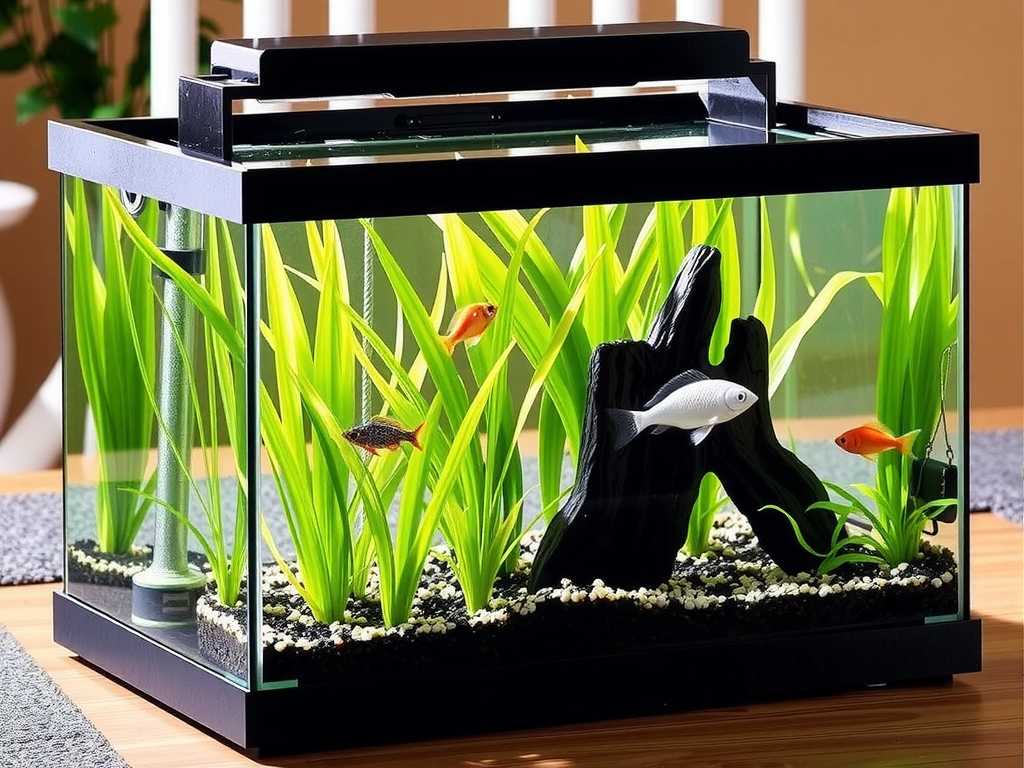
2. Cultivate Fast-Growing Live Plants: Live plants are nature's phosphate removers. Species like Hornwort, Water Wisteria, and Floating Plants (Frogbit, Water Lettuce) consume phosphate and other nutrients directly from the water, competing directly with algae. As noted by aquascaping expert Takashi Amano, "A densely planted tank is the most stable ecosystem you can create."
3. Introduce Algae-Eating Crew: While not a direct solution for phosphate, organisms like Nerite snails, Amano shrimp, and certain plecostomus species help control the visible algae growth, giving your other strategies time to work. They are part of the cleanup crew, not the cure.
Preventing High Phosphate from Returning
Consistency is key. Make the strategies above part of your regular maintenance routine.
- Stick to your disciplined feeding and water change schedule.
- Test your phosphate levels monthly, even after the problem is resolved.
- Prune dead plant leaves immediately and remove any uneaten food.
- Pre-rinse any new substrate or decorations in phosphate-free water before adding them to the tank.
A 2022 report by the Aquatic Hobbyist Society highlighted that tanks with a consistent, documented maintenance schedule showed 70% fewer instances of nutrient-related algae outbreaks compared to those with ad-hoc care.
Frequently Asked Questions
Can high phosphate directly harm my fish? While not directly toxic like ammonia or nitrite, chronically high phosphate stresses fish by contributing to poor water quality and low oxygen levels, especially at night when plants and algae respire. It weakens their immune systems, making them more susceptible to disease.
How quickly should I expect to see results after starting treatment? Algae growth may slow within a week of removing the phosphate source. However, clearing existing algae and achieving a stable, low-phosphate environment typically takes 4-8 weeks of consistent effort. Patience and persistence are vital.
Are there any risks in lowering phosphate too quickly? A rapid, drastic drop in phosphate can shock some delicate live plants and corals (in reef tanks) that have adapted to higher levels. It's best to aim for a gradual reduction over several weeks rather than an overnight crash.
Maintaining a beautiful, healthy aquarium is an exercise in balance. By understanding the role of phosphate and taking proactive, consistent steps to manage it, you move from reactive problem-solving to proactive ecosystem management. The reward is a crystal-clear tank where the vibrant colors of your ornamental fish are the centerpiece, not the algae on the glass. Your diligence in monitoring nutrients and adhering to a thoughtful care routine is the ultimate tool for long-term success, ensuring your aquatic pets enjoy a clean, stable, and thriving home.
发表评论