 admin
admin The Gentle Art of Flow: Your Complete Guide on How to Choose Powerhead in Ornamental Fish Care
You've meticulously scaped your aquarium, chosen vibrant plants, and selected stunning fish. Yet, something feels off. A layer of debris settles in the corners, your plants seem listless, and your fish either hover listlessly or struggle against an invisible current. The culprit is often one of the most misunderstood pieces of equipment: the powerhead. Getting the water flow right isn't just about creating a current; it's about replicating the life-giving forces of nature within a glass box. This guide will demystify the process, ensuring you select the perfect powerhead to transform your tank from a static display into a thriving, dynamic ecosystem.
Understanding the "Why": The Critical Role of Water Flow in Your Aquarium
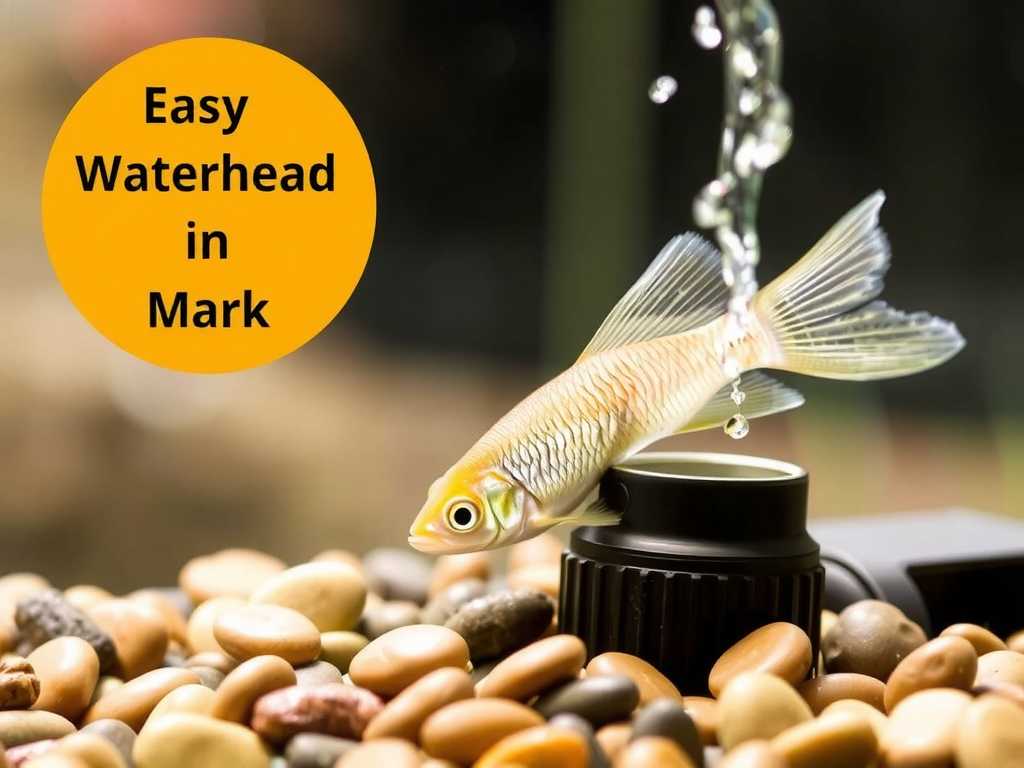
Water movement is the unsung hero of a healthy aquarium. It's the difference between a body of water and a living habitat. Proper flow ensures oxygen is efficiently distributed from the surface to every corner, vital for both fish and beneficial bacteria. It prevents dead spots where waste, uneaten food, and harmful gases like carbon dioxide can accumulate, becoming breeding grounds for algae and disease. For many fish, current is an environmental cue; it stimulates natural behaviors, promotes exercise, and can even trigger breeding cycles. In planted tanks, gentle flow across leaf surfaces ensures nutrients are delivered and waste is carried away, fostering lush growth. Essentially, choosing the correct aquarium powerhead is the first step in engineering a stable and vibrant underwater world.
Key Factors to Consider When Selecting a Powerhead
Navigating the specifications and models can be overwhelming. Break down your decision by focusing on these core pillars: your tank's specific needs, the powerhead's technical capabilities, and the well-being of your inhabitants.
1. Tank Size, Layout, and Inhabitant Requirements
This is your starting point. A powerhead suitable for a 200-gallon cichlid tank would be catastrophic in a 20-gallon betta tank.
- Tank Volume & Turnover Rate: A common benchmark is to aim for a total flow rate (from all pumps and filters) that turns over the tank volume 5 to 10 times per hour. For a 50-gallon tank, this means 250 to 500 gallons per hour (GPH). However, this is just a starting point. Heavily stocked tanks or those with high-waste producers (like goldfish) need the higher end of this range.
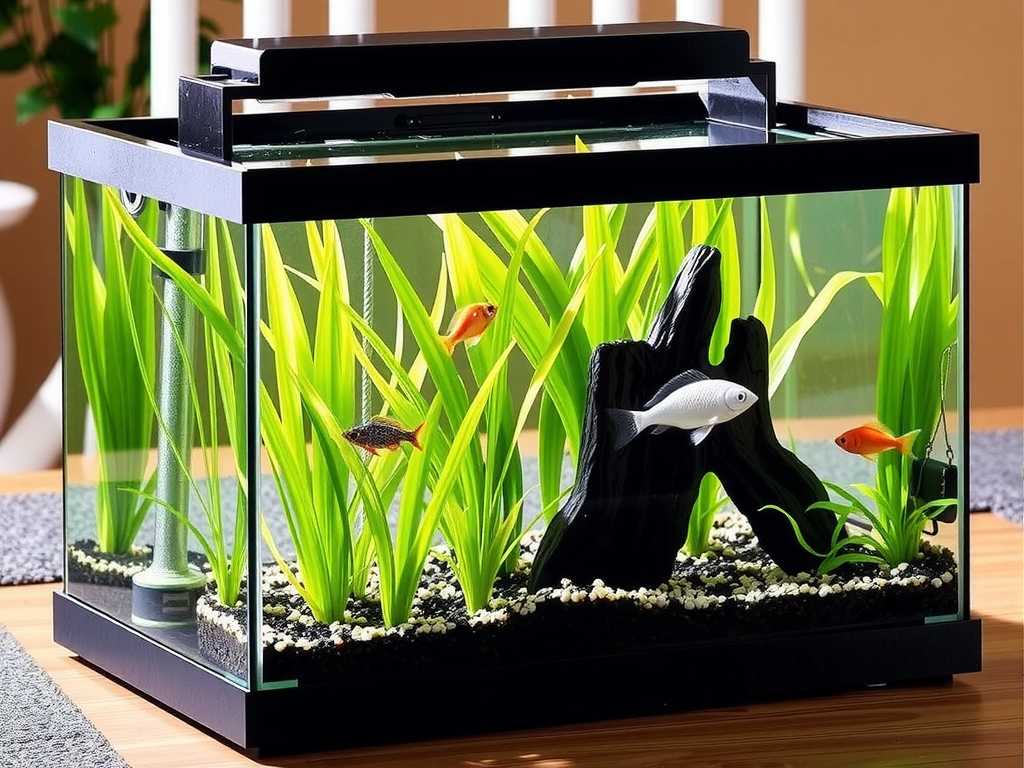
- Aquascape and Hardscape: Dense rockwork, driftwood, or thick plant masses significantly obstruct flow. You may need a slightly stronger pump or strategic placement to ensure water circulates behind these structures. An open, minimalist scape will require a more diffuse and gentle flow to avoid blasting the fish.
- Fish Species and Plant Types: This is non-negotiable. Research the natural habitat of every creature in your care. Matching powerhead flow to fish species is paramount.
- Low-Flow Species: Bettas, fancy goldfish, dwarf cichlids (like Apistogramma), and many bottom-dwellers prefer very gentle currents.
- Moderate-Flow Species: Most community fish—tetras, rasboras, gouramis, angelfish—thrive in mild to moderate, broad flow.
- High-Flow Species: River-dwelling fish like Hillstream Loaches, Rainbowfish, Danios, and many African cichlids actively enjoy and require strong, turbulent currents to showcase their natural behaviors and maintain health.
2. Powerhead Specifications and Features
Once you know your tank's needs, match them with the right hardware.
- Flow Rate (GPH/LPH) and Adjustability: Look for a pump whose maximum flow rate sits comfortably within your calculated range. Crucially, choose a model with adjustable flow. This allows you to fine-tune the current seasonally or as your tank evolves, offering unparalleled flexibility. As noted by aquarist and author Mike Hellweg, "An adjustable pump is an investment in tank stability; it lets you adapt to the needs of your livestock rather than forcing them to adapt to an inflexible environment."
- Flow Pattern and Diffusion: Not all flow is created equal. A narrow, jet-like stream can stress fish. Look for powerheads with wide nozzles or wave-making modes that create a broader, more natural surge. Some models feature built-in guards or diffusers to soften the output, which is essential for delicate species.
- Size, Placement, and Aesthetics: The pump should be discreet yet accessible for maintenance. Consider magnetic mounts for easy repositioning and a clean look. Ensure the intake is safely guarded to prevent small fish or shrimp from being drawn in.
- Energy Efficiency and Noise Level: Modern DC (Direct Current) powerheads are generally more energy-efficient and significantly quieter than older AC models. They also offer smoother controllability. A silent pump enhances the enjoyment of your aquarium.
3. Creating the Ideal Current: Placement and Configuration
Even the best powerhead can cause issues if placed incorrectly. The goal is to create a cohesive, circular flow pattern.
- Strategic Placement: Typically, the best water flow setup for healthy aquariums involves placing the powerhead on one side, near the top or mid-water, pointing diagonally across the front glass toward the opposite end. This creates a circular current that travels down the far side and back along the substrate, preventing dead zones.
- Syncing with Your Filtration: Your powerhead should complement, not fight, your filter's output. Position them to work together in creating a unified flow pattern. In some setups, the powerhead can be used to push water toward the filter intake, increasing filtration efficiency.
- Lily Pipes and Spray Bars: For planted or very calm tanks, consider directing your filter output through a spray bar (distributing flow along the surface) or lily pipes (which create a smooth, directional flow). A powerhead can then be used lower in the tank to ensure circulation in the substrate region.
Advanced Applications: Wave Makers, Wavemakers, and Controllers
For larger tanks or specialized biotopes, simple circulation may not be enough.
- Wavemakers vs. Powerheads: While the terms are often used interchangeably, a wavemaker typically refers to a pump designed to create alternating left-right surge patterns, mimicking ocean waves. They are ideal for marine reef tanks where corals depend on chaotic, changing flow for nutrient uptake and waste expulsion.
- The Power of Controllers: Advanced controllers allow you to program multiple pumps to create complex, randomized flow patterns, simulate tidal changes, or create calm "rest" periods at night. This represents the pinnacle of ornamental fish tank current control, offering an unparalleled simulation of natural conditions.
Frequently Asked Questions
Can a powerhead be too strong for my fish? Absolutely. Excessive flow is a common stressor. Signs include fish hiding constantly, struggling to swim or maintain position, being pinned against the glass, or refusing to eat. For species like bettas, strong currents can tear their delicate fins and lead to exhaustion. Always err on the side of gentler flow and increase gradually if needed.
Do I need a powerhead if I already have a strong filter? It depends. While a filter provides flow, its primary job is mechanical and biological filtration. Its output is often a single, localized current. A powerhead's role is dedicated to circulation—ensuring the filtered water reaches all areas of the tank and that waste is effectively channeled toward the filter intake. In larger, long, or heavily decorated tanks, a supplemental powerhead is almost always beneficial.
How do I clean and maintain my powerhead? Regular maintenance is crucial for performance and longevity. Unplug and remove the pump monthly. Disassemble the impeller housing according to the manufacturer's instructions and gently clean the impeller magnet and shaft of any algae, biofilm, or debris. Soaking parts in a vinegar solution can dissolve mineral deposits. Never let the pump run dry, and always ensure it's fully submerged before plugging it back in.
Selecting the right powerhead is a thoughtful balance of science and observation. It begins with understanding the innate needs of your aquarium's inhabitants and the physical realities of your setup. By prioritizing adjustable flow, strategic placement, and the behavioral cues of your fish, you move beyond mere equipment installation into the realm of habitat creation. The result is not just a cleaner tank, but a more engaging, natural, and resilient environment where every plant and fish can truly flourish. Watch as your fish play in the current, plants sway gently, and debris vanishes toward the filter—these are the signs of a perfectly tuned aquatic heart.
发表评论