 admin
admin How to Clean Glass in Ornamental Fish Care: Spotless Results
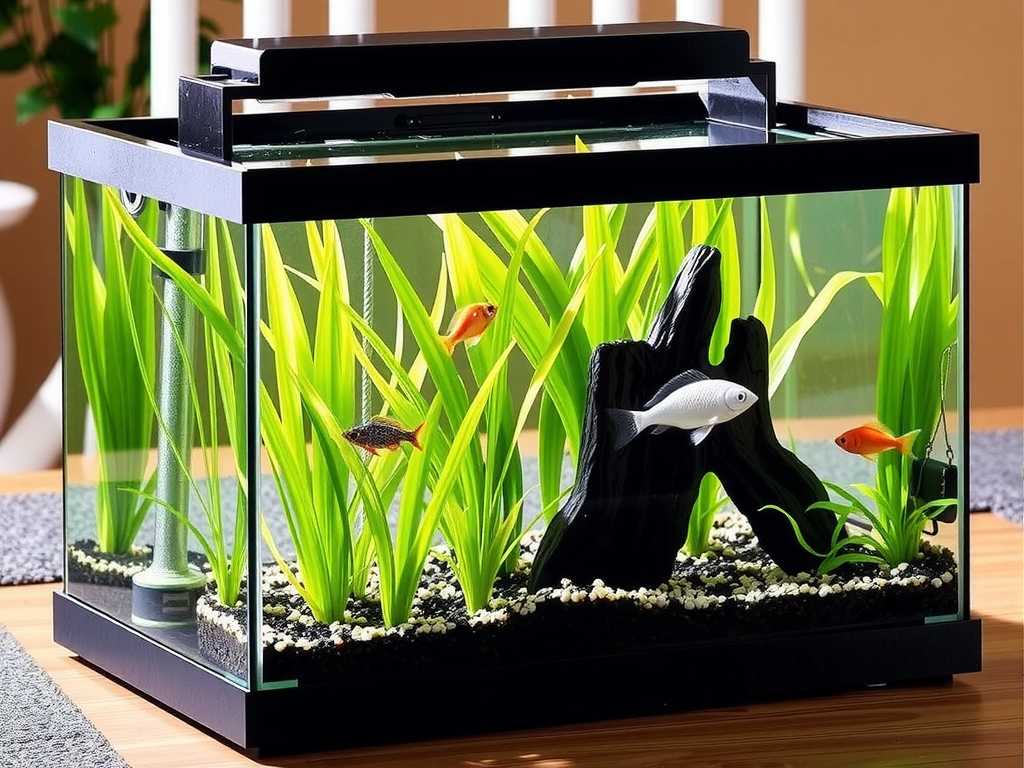
There’s nothing more frustrating than a beautiful aquarium obscured by stubborn algae streaks, cloudy water stains, and unsightly mineral deposits on the glass. You’ve invested in vibrant plants, carefully chosen your fish, and created an aquascape masterpiece, yet the view is constantly marred by a grimy film. Achieving truly spotless aquarium glass can feel like a never-ending battle, especially when you’re worried about harming your delicate fish, shrimp, or live plants with harsh chemicals. This comprehensive guide is dedicated to solving that exact problem. We will walk you through the safest, most effective methods for how to clean glass in ornamental fish care, ensuring a crystal-clear view and a healthier environment for your aquatic pets. By understanding the why behind the grime and mastering the how of cleaning, you can achieve professional-looking, spotless results with confidence.
Understanding What’s on Your Aquarium Glass
Before you reach for a scraper, it’s crucial to identify what you’re cleaning. Different types of buildup require different approaches.
- Algae Films: The most common culprit. Green spot algae forms hard, small dots, while green dust algae creates a soft, smeary film. Brown diatom algae often appears in newer tanks.
- Mineral Deposits (Limescale): Those white, crusty lines at the water’s surface are usually calcium and magnesium carbonate from evaporated hard water. They can be tough to remove.
- Biofilm and Bacteria: A thin, sometimes cloudy organic layer that can develop on glass, often harmless but can obscure clarity.
Using the wrong tool on these deposits can scratch your glass permanently. A scratch-free tank starts with knowing your enemy.
Essential Tools for Safe and Effective Aquarium Glass Cleaning
Your cleaning toolkit should be effective yet entirely safe for aquatic life. Here are the non-negotiable items:
-
Algae Scrapers & Pads: Choose based on your tank material.
- For Glass Tanks: Razor blade scrapers (with a safe holder) are the gold standard for removing tough algae and limescale. Magnetic algae cleaners are fantastic for quick, daily maintenance without getting your hands wet.
- For Acrylic Tanks: Only use plastic razor blades or specialized acrylic-safe algae pads. Never use metal blades or coarse pads, as they will scratch.
- General Use: Melamine foam pads (like unscented Magic Erasers) are remarkably effective on algae and are aquarium-safe. Ensure they contain no added soaps or detergents.
-
Cleaning Solutions: The rule is simple: nothing goes into your tank that isn’t designed for it.
- For In-Tank Cleaning: Use only the water from your aquarium on your scrubber. This avoids any chemical contamination.
- For External Glass & Stubborn Stains: A 50/50 mix of white vinegar and water is safe and effective for exterior glass and hard water stains. Always apply it to a cloth, not directly to the tank, and keep it far away from the tank opening to prevent drips inside.
-
The Supporting Cast: Clean, soft microfiber cloths, a dedicated bucket (used only for your aquarium), and a gravel vacuum for the crucial next step.
The Step-by-Step Guide to a Spotless Aquarium
Follow this proven process for maintaining crystal clear aquarium glass without stressing your fish.
Preparation is Key First, unplug all electrical equipment: heaters, filters, and pumps. Safety for you and your fish is paramount. Gather all your tools within easy reach.
Interior Glass Cleaning: The Core Technique Start by using your chosen algae scraper or pad. Work from the top of the glass down in smooth, overlapping strokes. For corners and tight spaces, a small plastic blade or an old toothbrush works wonders. Apply gentle, consistent pressure. Let the tool do the work; forcing it can lead to slips and accidents. For magnetic cleaners, move the outside cleaner slowly and deliberately to guide the interior piece.
The Critical Post-Cleaning Step: Water Change and Gravel Vacuuming This is the secret to long-lasting clarity. All the algae and debris you’ve scraped off is now floating in the water or settled on the substrate. Immediately after cleaning the glass, use a gravel vacuum to perform a 15-25% water change. This physically removes the suspended waste and nutrients that would simply feed the next algae bloom. Renowned aquascaper Takashi Amano often emphasized that pristine water clarity is born from impeccable substrate maintenance.
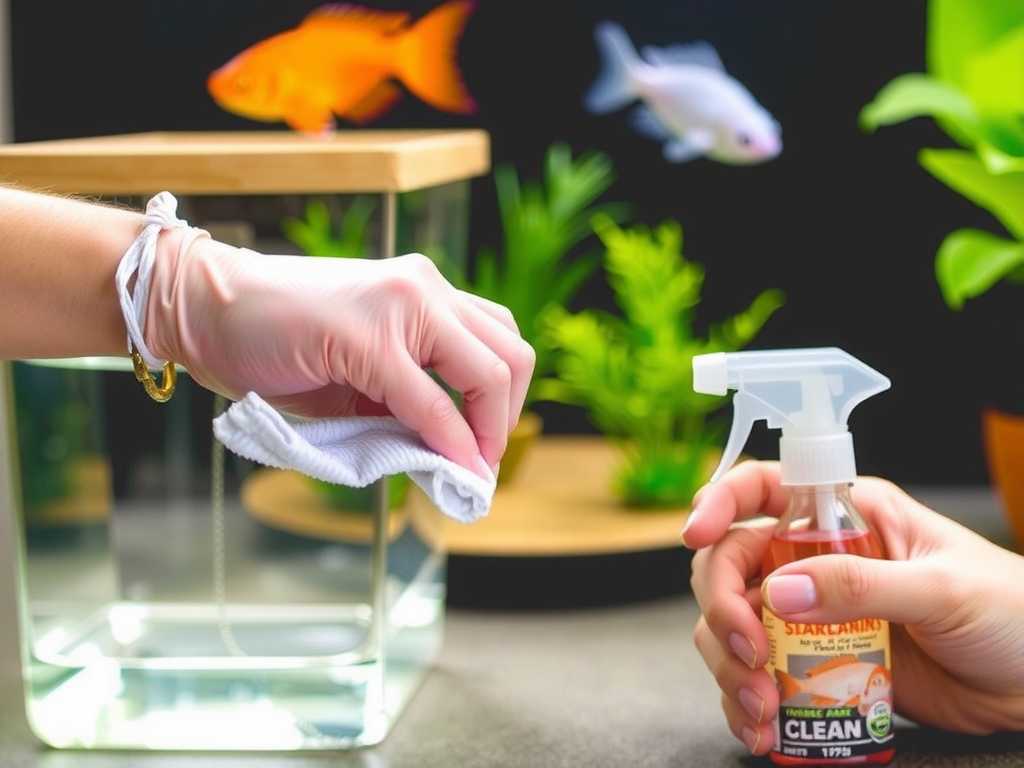
Exterior Glass and Fixture Polish For the outside glass, use your vinegar solution or a dedicated aquarium-safe glass cleaner. Spray onto a microfiber cloth and wipe down the glass, canopy, and light fixtures. A dry second cloth can eliminate streaks for a perfect finish.
Preventing Algae and Buildup: A Proactive Approach
Consistent cleaning is easier than major overhauls. Effective fish tank glass cleaning methods are as much about prevention as reaction.
- Balance Your Lighting: Excess light is a primary algae driver. Use a timer for 6-8 hours of consistent light daily. Consider a blackout period if battling a severe bloom.
- Manage Nutrients: Overfeeding is a major contributor. Feed only what your fish can consume in 2 minutes. Regular water changes (10-20% weekly) dilute nitrates and phosphates.
- Employ Natural Clean-Up Crew: Algae-eating fish like Otocinclus catfish or certain snail species (e.g., Nerite snails) can help manage film algae on glass and decorations.
- Maintain Filtration: Ensure your filter is appropriately sized and the media is rinsed in old tank water (never tap water) during water changes to preserve beneficial bacteria.
Tackling the Tough Stains: Limescale and Hard Water Rings
For those stubborn white lines above the water surface:
- Lower the tank water level slightly to expose the deposits.
- Soak a paper towel in white vinegar and press it directly onto the crusty area, letting it sit for 10-15 minutes.
- Gently scrub with a razor blade (glass) or plastic blade (acrylic). The vinegar will have dissolved the minerals, making them easy to wipe away.
- Thoroughly rinse the area with clean water on a cloth before refilling the tank to neutral pH.
FAQ: Your Top Questions Answered
Can I use household glass cleaners like Windex on my tank? Absolutely not. Ammonia-based or chemical household cleaners are highly toxic to fish. Even residual fumes or overspray can cause catastrophic tank failure. Only use products you would confidently add directly to the water—which means, for the interior, use nothing but tank water.
How often should I clean the aquarium glass? This varies. For a balanced, established tank, a light cleaning during your weekly water change is sufficient. You might only need to address the front viewing panel. Observe your tank’s growth rate and clean as needed, not on a rigid schedule. Frequent, light cleaning is always easier than dealing with thick, established algae.
My magnetic cleaner isn’t picking up algae well. What’s wrong? Check the felt or pad on the interior piece. It can wear down or become clogged with debris. Rinse it thoroughly or replace the pad. Also, ensure the magnet strength is appropriate for your glass thickness; a weak magnet will lose contact and become ineffective.
Achieving a perfectly clean aquarium is a rewarding aspect of the hobby that enhances your enjoyment and the well-being of your fish. By equipping yourself with the right tools, adhering to a safe, step-by-step process that prioritizes removal of freed waste, and implementing proactive maintenance strategies, the chore transforms into a simple, satisfying routine. Remember, the goal is a stable ecosystem, not a sterile one. A completely algae-free tank is nearly impossible, but with these consistent practices for ornamental fish tank glass maintenance, you can effortlessly maintain the spotless, crystal-clear windows that let the beauty of your underwater world shine through.
发表评论