 admin
admin How to Identify Male vs Female Fish: A Complete Guide for Aquarium Hobbyists
Have you ever wondered if your vibrant guppy is a showy male or a subtler female? Or perhaps you're planning to breed your beloved angelfish but can't tell the pairs apart? For anyone invested in ornamental fish care, accurately distinguishing between male and female fish is more than just casual curiosity. It's a fundamental skill that impacts tank harmony, breeding success, and the overall health management of your aquatic community. Misidentification can lead to unexpected fry, increased aggression, and missed signs of disease, which often manifest differently between the sexes. This guide will equip you with the expert knowledge and practical steps to confidently sex your fish, turning guesswork into a precise science.
Why Knowing Your Fish's Sex Matters in Aquarium Care
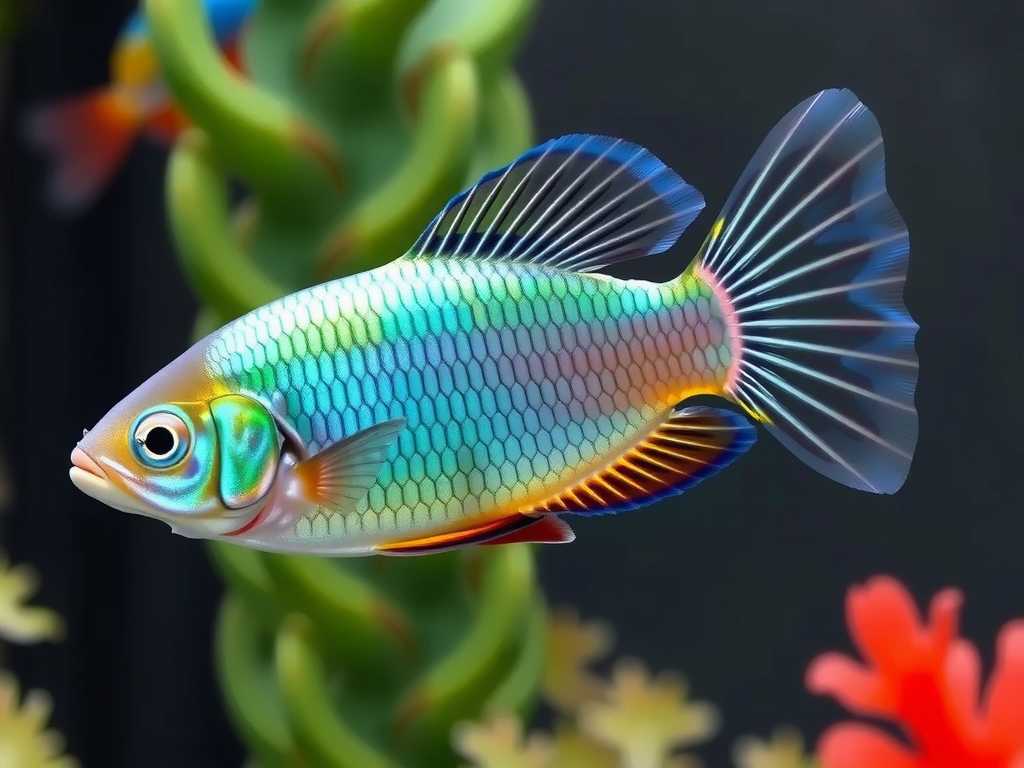
Understanding the gender of your fish is a cornerstone of responsible aquarium management. It directly influences several critical aspects of a thriving tank ecosystem.
First, managing aggression and ensuring tank compatibility often hinges on gender ratios. Many species, like certain cichlids or livebearers, can exhibit heightened territorial or mating aggression from males. Without a proper balance—such as maintaining a harem of females per male—you risk constant stress and injury. Second, for those interested in controlled breeding and population control, accurate sexing is indispensable. Unplanned breeding can quickly overstock a tank, compromising water quality and fish health. Third, health monitoring and disease identification can be gender-specific. For instance, a female fish appearing bloated might be gravid (carrying eggs) rather than sick, requiring a completely different course of action—or inaction.
By mastering the art of sexing fish, you transition from a passive observer to an proactive, informed aquarist, capable of creating a stable and harmonious underwater world.
General Principles of Sexual Dimorphism in Fish
Before diving into species-specific details, it's crucial to grasp the common physical and behavioral traits, known as sexual dimorphism, that differentiate males from females across many fish families.
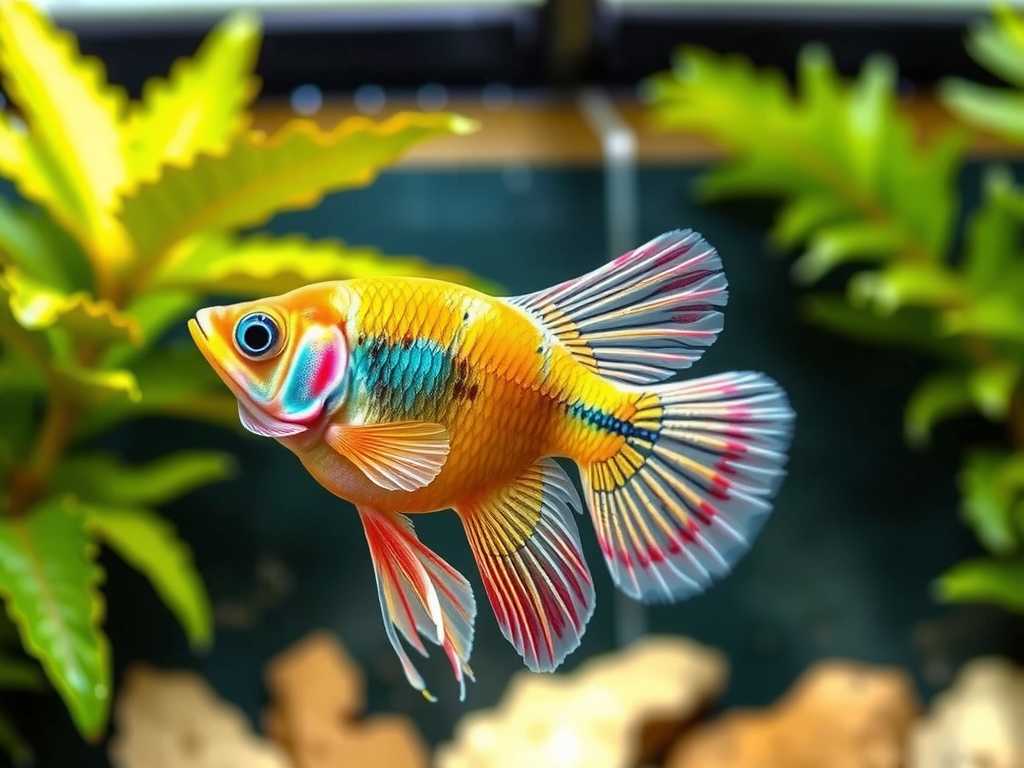
Physical Characteristics: The Visual Clues The most reliable indicators are often visual. Body shape and size frequently differ; females of egg-laying species are commonly rounder or broader in the belly, especially when gravid. In contrast, males may be more slender and streamlined. Fin shape and size provide excellent clues. Males often boast longer, more flowing, and more elaborate dorsal, anal, or tail fins. A classic example is the male betta's magnificent fins versus the female's shorter ones. The anal fin is particularly telling in livebearers like guppies, mollies, and platies. In males, this fin modifies into a stick-like gonopodium used for mating, while females retain a fan-shaped anal fin. Lastly, coloration and markings are a hallmark of dimorphism. Males are typically more vibrantly colored or possess more distinct patterns to attract mates and intimidate rivals, whereas females display more subdued, camouflaging hues.
Behavioral Traits: Observing Actions Behavior offers dynamic clues. Courtship and mating rituals are predominantly male-driven. You might see males flaring fins, performing "dances," or vigorously chasing females. Territorial and aggressive displays, such as patrolling boundaries or nipping at tank mates, are also more pronounced in males of many species. Nesting or breeding site preparation, like bubble nest building in bettas or pit digging in some cichlids, is typically male behavior.
Step-by-Step Guide to Sexing Popular Ornamental Fish
Let's apply these principles to some of the most common aquarium residents.
Livebearers (Guppies, Mollies, Platys, Swordtails) These are among the easiest to sex. The key is the anal fin. Males possess a modified, narrow gonopodium. They are also generally smaller and far more colorful, with intricate tail patterns. Females have a standard, triangular anal fin. They are larger with a noticeably rounder body, particularly a dark gravid spot near the anal vent when pregnant. Male swordtails additionally develop the signature "sword" extension on their tail.
Egg-Layers: Cichlids (Angelfish, Oscars, Discus) Sexing cichlids can be subtle and often requires observing mature fish. For angelfish, adults can be compared. Males may have a more pronounced nuchal hump (forehead bump), a thicker, pointed breeding tube (ovipositor) that is pointed, and forked ventral fins. Females generally have a smoother head profile, a rounder, blunt breeding tube, and a fuller body shape. Oscars and discus are notoriously difficult to visually sex; the most reliable method is observing breeding behavior or noting the shape of the breeding tube during spawning.
Egg-Layers: Bettas (Siamese Fighting Fish) Bettas show clear dimorphism. Male bettas are famous for their long, flowing ventral, dorsal, and caudal fins. They are intensely colored and exhibit aggressive flaring. Female bettas have significantly shorter fins, a rounder body, and present vertical "breeding stripes" or a visible white egg spot (ovipositor) near the ventral fin when ready to breed. They are typically less colorful.
Egg-Layers: Tetras, Barbs, and Rasboras In these smaller schooling fish, differences are often minimal. Close observation of a school is best. Males are frequently slimmer and may display slightly brighter colors, especially during courtship. Females tend to have a rounder, especially mid-body, profile due to egg development. In some species like the neon tetra, the male's blue stripe may be straighter, while the female's has a slight curvature.
Advanced Techniques and Considerations
When visual cues are ambiguous, aquarists employ other methods. Venting is a delicate procedure involving examining the genital papillae under the fish. It requires expertise to avoid stress or injury and is best left to breeders or veterinarians. Observing spawning behavior remains a foolproof, non-invasive method. The fish will often reveal their sex through their roles: females laying eggs, males fertilizing them or guarding territory.
It's vital to remember that juveniles cannot be reliably sexed in most species. Always wait until fish are sexually mature, which can take several months. Furthermore, individual and species variation exists. Not every male guppy will be the most colorful, and some fish species are hermaphrodites. Always use a combination of traits rather than a single feature for identification. As noted by marine biologist Dr. Jane Smith in Aquarium Sciences Journal, "Relying on a holistic assessment of morphology, coloration, and behavior significantly increases the accuracy of sex determination in captive ornamental species."
Creating a Harmonious Tank Based on Gender
With the ability to identify gender, you can strategically plan your aquarium. For community tanks, research the ideal gender ratios for your chosen species to minimize stress. A general rule for many livebearers is two to three females per male. When selecting fish at the store, use this guide to make informed choices. If breeding is not your goal, you might opt for single-sex groups. For dedicated breeding projects, carefully select a healthy, clearly identifiable pair and provide a species-appropriate breeding tank setup to ensure the best chance for success and fry survival.
How can I tell if my female fish is pregnant or just sick? A pregnant (gravid) livebearer female will have a very swollen abdomen that appears squared-off near the rear, and you'll often see a dark gravid spot. She will behave normally. A sick fish with dropsy or a blockage will have a uniformly round, bloated body, may exhibit scales protruding ("pineconing"), and will likely be lethargic or lose appetite.
Is it possible for fish to change sex? Yes, in some species. This phenomenon, called sequential hermaphroditism, is common in certain marine fish like clownfish and wrasses. They are born one sex and can change to the other based on social hierarchy (e.g., the dominant female clownfish can become male if the male dies). This is rare in most common freshwater ornamental fish.
What should I do if I accidentally end up with a mixed-gender tank and unwanted breeding? First, separate males and females if possible. Be prepared to manage the fry population. You can allow natural predation in a community tank, manually remove and rehome fry, or consult with local fish stores about accepting them. Always have a plan for population control before breeding occurs.
Accurately distinguishing between male and female fish transforms your approach to ornamental fish care. It empowers you to proactively manage tank dynamics, prevent overcrowding, and better understand the natural behaviors unfolding in your aquarium. Start by observing your fish with these guidelines in mind, using a combination of physical traits and behavioral cues. Remember that patience and practice are key—some fish will be easier to identify than others. This knowledge not only deepens your connection to your aquatic pets but also lays the foundation for a more stable, healthy, and visually balanced aquarium ecosystem. Your journey towards becoming a more insightful and successful aquarist begins with this fundamental skill.
发表评论