 admin
admin How to Treat Anchor Worms in Ornamental Fish Care: Safe Removal
Discovering a tiny, thread-like worm protruding from your beloved goldfish or koi is a moment of panic for any aquarium or pond owner. This parasite, known as an anchor worm, is more than just an eyesore; it’s a serious health threat that can cause severe tissue damage, secondary infections, and even death if left untreated. The sight of these worms, often mistaken for plant debris, signals an urgent need for action. This comprehensive guide will walk you through the safe and effective steps for anchor worm removal, ensuring the health of your entire aquatic community.
Understanding the Enemy: What Are Anchor Worms?
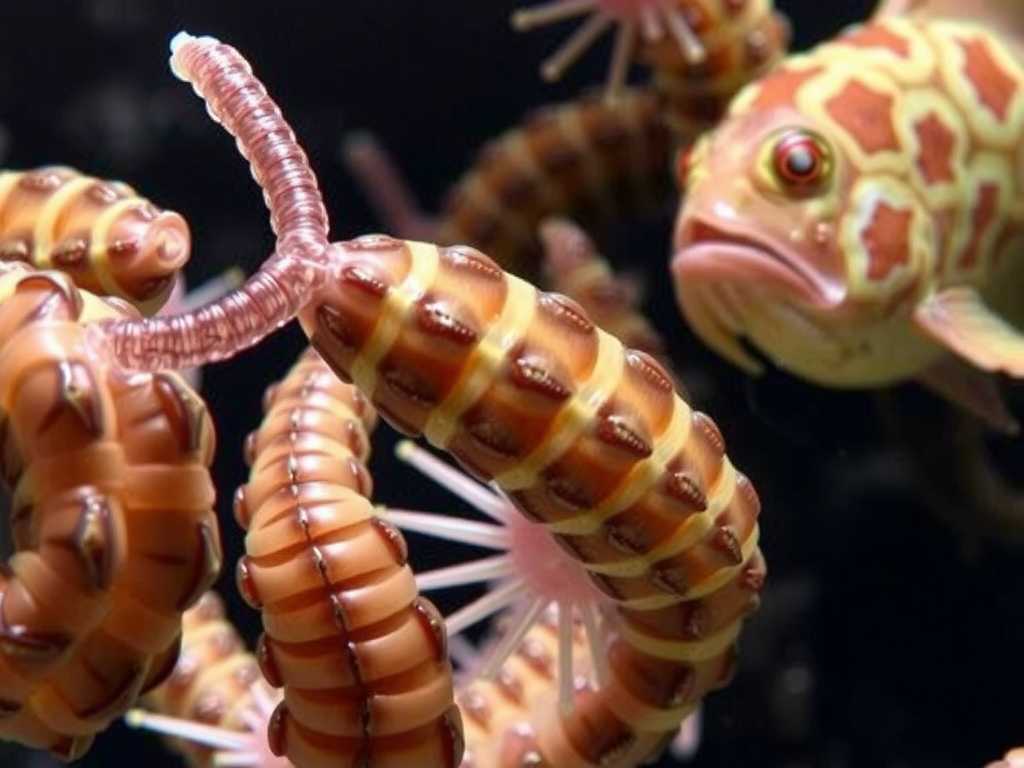
Despite their name, anchor worms are not true worms but large, parasitic crustaceans of the Lernaea species. The visible part is the female, which embeds its anchor-shaped head deep into the fish's muscle tissue to feed on bodily fluids. This attachment causes inflammation, red sores, and creates open wounds vulnerable to bacterial and fungal infections. The female releases eggs into the water, perpetuating the lifecycle and infesting other fish. Early identification is crucial. Look for greenish-white threads (1-2 cm long) protruding from the skin, fins, gills, or mouth, often accompanied by flashing (scratching against objects), lethargy, and localized redness.
Immediate Action: The Step-by-Step Safe Removal Process
Treating anchor worms requires a two-pronged approach: physically removing the visible parasites and medicating the water to kill the free-swimming larvae (copepodids). Never simply pull the worm out, as the embedded head can break off and remain inside, causing a severe abscess.
Step 1: Isolate and Physically Remove the Worms
For this delicate procedure, you will need a quarantine tank, clean gloves, blunt tweezers or forceps, and a fish-safe antiseptic like diluted povidone-iodine or hydrogen peroxide. First, gently net the affected fish and place it in a separate container with water from its original tank to minimize stress. Using the tweezers, grasp the anchor worm as close to the fish’s skin as possible. Apply a very gentle, steady pulling pressure. The goal is to extract the entire parasite, including its anchor. If resistance is significant, stop. Dr. Jessie Sanders, a certified aquatic veterinarian, advises, "Applying a drop of hydrogen peroxide directly on the attachment point can sometimes help loosen the parasite's grip, making removal safer and more complete." After successful removal, dab the wound site with a cotton swab dipped in a diluted antiseptic to prevent infection. Allow the fish to recover in the clean, medicated quarantine water before considering its return.
Step 2: Treat the Entire Aquatic Environment
Physical removal alone is insufficient. You must address the microscopic larvae in the water column. A common and effective treatment is Potassium Permanganate or formalin-based medications, used according to the manufacturer's instructions and the specific sensitivity of your fish species. Alternatively, insect growth regulators like Diflubenzuron (Dimilin) are highly effective at disrupting the larvae's development cycle. Treatment must be repeated at 7-10 day intervals to target newly hatched larvae, typically for a total of 3-4 cycles. During treatment, increase aeration as some medications reduce oxygen levels. Remove chemical filtration (carbon) from your filter, and perform regular partial water changes before each medication dose.
Prevention: The Ultimate Strategy for Healthy Fish
An outbreak is often a sign of underlying stress. Preventing reinfestation is more manageable than repeated treatments. Implement a strict quarantine protocol for all new fish and plants for a minimum of 2-4 weeks. This is your single most effective defense. As noted in the "Ornamental Aquatic Trade Association Health Management Guidelines," a proper quarantine allows for observation and prevents the introduction of countless pathogens. Maintain impeccable water quality through consistent testing and regular maintenance. Stable parameters (ammonia: 0 ppm, nitrite: 0 ppm, nitrate < 20 ppm) reduce fish stress, making them less susceptible to parasites. Avoid introducing live foods from unreliable sources, as they can be carriers. Finally, support your fish's immune system with a varied, high-quality diet rich in vitamins.
What are the first signs my fish might have anchor worms? The earliest signs are behavioral: increased scratching or flashing against decor, lethargy, and loss of appetite. Visually, you may see small red sores or inflammation before the white thread-like body becomes fully visible.
Can anchor worms spread to humans or other pets? No, anchor worms are species-specific to fish and pose no risk to humans, cats, dogs, or other terrestrial pets. They cannot complete their lifecycle outside of an aquatic environment.
I removed the worm, but the red sore is still there. What should I do? The wound requires time to heal. Keep water quality in the quarantine tank pristine. You can treat the area with an antibacterial ointment formulated for fish (e.g., those containing nitrofurazone) and consider adding a general antibacterial treatment to the water to prevent systemic infection. Monitor closely; if the sore worsens or fuzzy growth appears, a secondary fungal infection may need treatment.
Successfully managing an anchor worm infestation hinges on prompt, careful physical removal combined with a thorough, lifecycle-targeting chemical treatment of the environment. By understanding the parasite's biology, acting methodically to avoid further injury, and committing to a robust prevention routine centered on quarantine, you can protect your ornamental fish from this distressing parasite. Consistent care and observation remain the cornerstones of a thriving, disease-resistant aquatic ecosystem.
发表评论