 admin
admin How to Choose Large Tanks in Ornamental Fish Care: 50+ Gallons
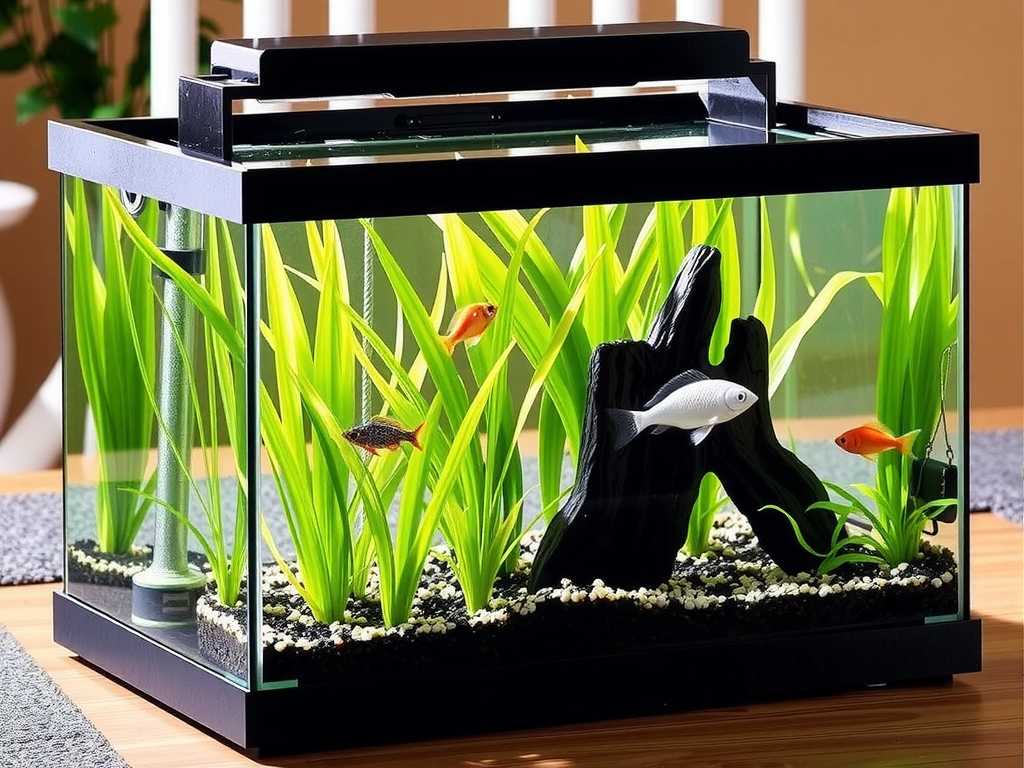
You've decided to upgrade your aquatic hobby. The allure of a large, stable, and breathtaking aquarium is undeniable. Yet, the process of how to choose large tanks for your ornamental fish can feel overwhelming. With so many options, materials, and considerations for setups over 50 gallons, a wrong choice can lead to leaks, stress, and costly mistakes. This guide is designed to navigate you through every critical decision, ensuring your investment creates a thriving underwater ecosystem for years to come.
Understanding the "Why" Behind Large Aquariums
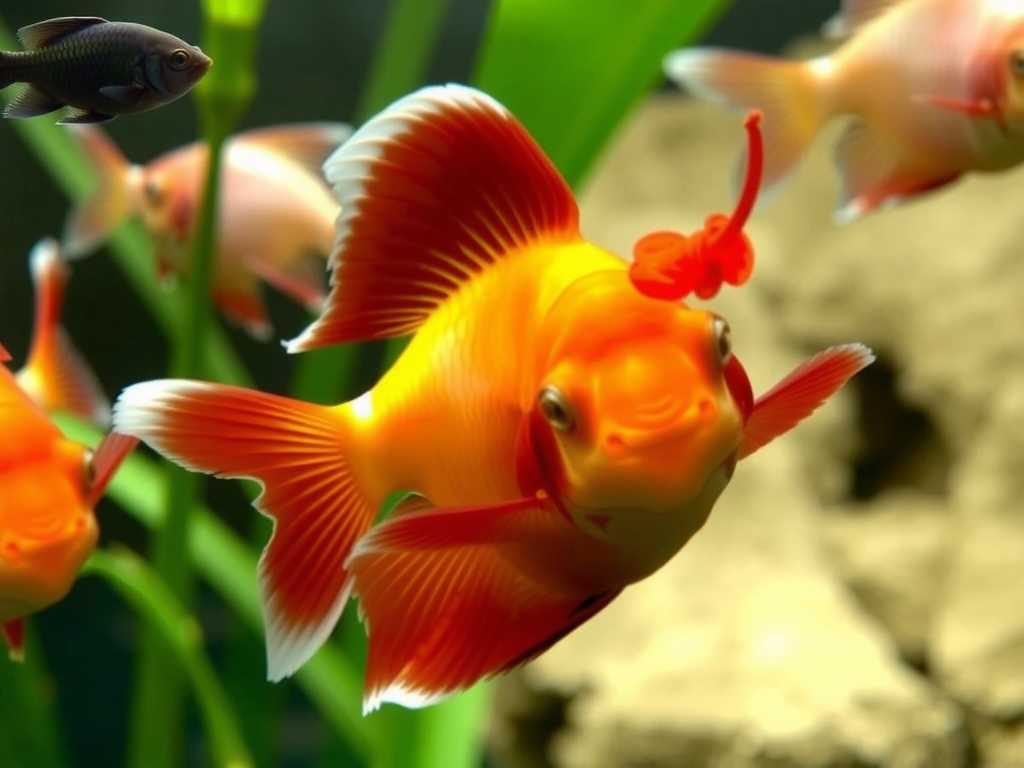
Before diving into specifics, it's crucial to grasp why a 50+ gallon tank is a game-changer. Larger volumes of water are inherently more stable. Temperature fluctuations, pH swings, and ammonia spikes happen much slower, giving you a crucial buffer to correct issues. This stability is paramount for sensitive species and allows for more diverse, natural community setups. Simply put, a large aquarium for fish care reduces daily headaches and increases your margin for error, leading to healthier fish and more enjoyment for you.
Key Factors in Selecting Your Large Tank
1. Material: Acrylic vs. Glass The first major choice is between acrylic and glass aquariums.
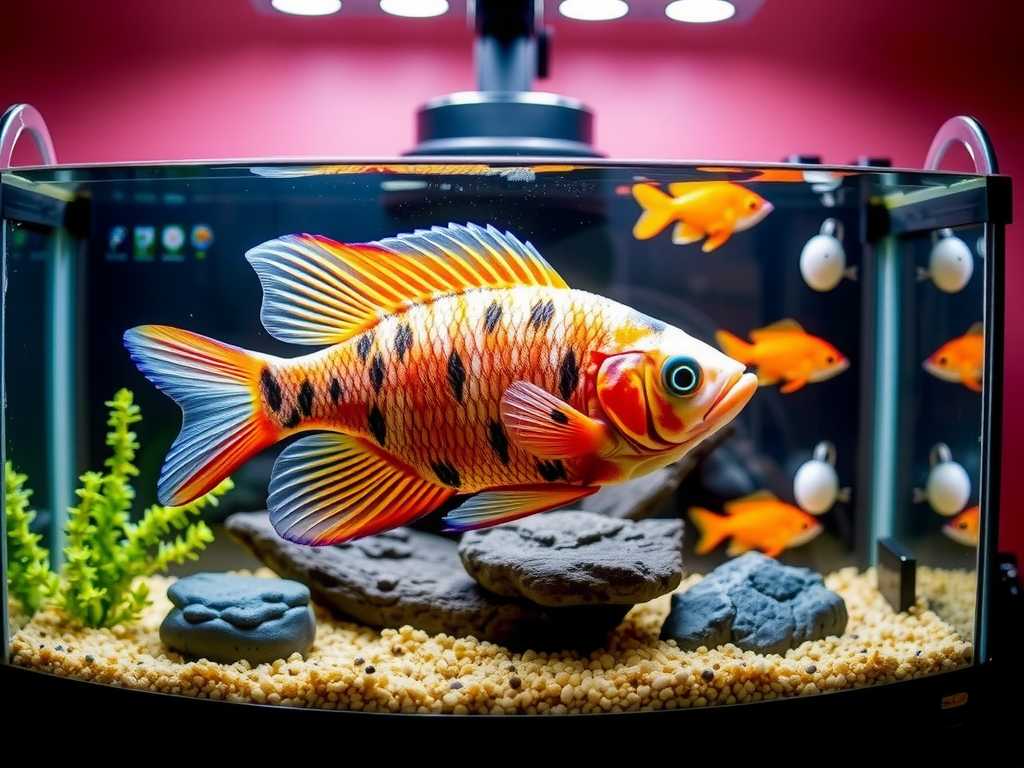
- Glass Aquariums: The traditional choice. They are highly scratch-resistant, less expensive for standard sizes, and do not discolor over time. However, they are significantly heavier and carry a higher risk of catastrophic failure if impacted.
- Acrylic Aquariums: Lighter weight and offer superior clarity and strength. Acrylic tanks are less likely to shatter and can be molded into unique shapes. The trade-off? They are prone to scratching and are typically more expensive. For very large custom builds, acrylic often becomes the preferred material.
2. Dimensions and Footprint: Think Beyond Gallons A 75-gallon "long" tank is vastly different from a 75-gallon "tall" tank. The footprint (length x width) is more important than height for most fish.
- Surface Area: Oxygen exchange happens at the water's surface. A longer, wider tank provides more surface area than a tall, narrow one of the same volume, promoting better gas exchange.
- Fish Needs: Active swimmers like rainbowfish or danios need length to roam. Bottom-dwellers like plecos and loaches appreciate a large footprint. Always research the natural swimming patterns of your desired fish when selecting a fish tank over 50 gallons.
3. Location and Stand: The Non-Negotiables Your tank's home is a permanent decision. Ensure your floor can support the immense weight—a 100-gallon tank can weigh over 1,100 pounds when full. Use a dedicated, manufacturer-approved aquarium stand designed for the exact dimensions and weight of your tank. Place it away from direct sunlight, heating vents, and high-traffic areas. As expert aquascaper James Findley often notes, "The most beautiful aquarium is undermined by a poor foundation and placement."
Essential Components for a Large Tank System
Filtration: The Life Support System For tanks 50 gallons and up, a single hang-on-back filter is rarely sufficient. A robust filtration system is your top priority.
- Canister Filters: The gold standard for large aquariums. They offer high flow rates, massive media capacity for biological filtration, and are typically very quiet.
- Sump Systems: Often used in tanks 100+ gallons, a sump is a separate reservoir that increases total water volume and provides a hidden place for heaters, protein skimmers (for saltwater), and filter media. It represents the most customizable and powerful filtration option.
Lighting and Heating Lighting needs depend on your goals. Low-light plants and fish-only setups have different requirements than a high-tech planted Dutch aquascape. Invest in quality LED fixtures for energy efficiency and control. Heating requires planning. One heater may struggle in a long tank. Using two smaller heaters, one at each end, provides even heat distribution and a safety backup—if one fails, the other prevents a rapid temperature drop.
The Setup and Cycling Process Patience is critical. Rushing this step is the most common beginner mistake. After assembling your tank on its stand, you must cycle the aquarium to establish beneficial bacteria. This process, which can take 4-8 weeks, involves introducing an ammonia source and allowing bacteria colonies to grow in your filter to process fish waste. A 2023 industry report from the Aquatic Industry Association highlighted that "proper cycling remains the single biggest factor in the long-term survival rates of ornamental fish in new setups."
Stocking Your Large Ornamental Aquarium This is the reward. The principle of "less is more" still applies, but you have wonderful flexibility.
- Centerpiece Fish: You can now house larger, majestic species like certain cichlids, discus, or a school of larger rainbows.
- Schooling Fish: Create stunning visual impact with large, moving schools of smaller tetras, barbs, or rasboras.
- Functional Crew: Include ample clean-up crew like snails, shrimp, and plecos suited to your tank's size and parameters. Always research compatibility, adult sizes, and social behaviors. A well-planned large tank for ornamental fish is a balanced ecosystem.
Maintenance Routines for Big Tanks While more stable, large tanks are not maintenance-free. Weekly partial water changes (10-20%) are essential to remove nitrates and replenish minerals. Use a Python-style gravel vacuum or a similar water change system to make this task effortless. Test your water parameters regularly with a reliable liquid test kit. Clean filter media in removed tank water (never tap water) to preserve beneficial bacteria.
Frequently Asked Questions
Is a 55-gallon tank a good starting point for a beginner? While manageable, a 55-gallon tank requires a significant upfront investment and understanding of core principles. Its narrower width (often 12-13 inches) can be limiting for aquascaping and some fish. A 40-gallon "breeder" tank (with a larger footprint) is often recommended as a more versatile beginner large tank, but a diligent beginner can certainly succeed with a standard 55.
How often should I change the water in my 75-gallon tank? A consistent schedule is key. For a moderately stocked 75-gallon tank, a weekly water change of 15-20% (about 10-15 gallons) is ideal. Heavily stocked tanks or those with sensitive species may require more frequent changes. The goal is to keep nitrate levels consistently low.
Can I use tap water for my large aquarium? In most cases, yes, but it must be treated. Always use a quality water conditioner to neutralize chlorine, chloramine, and heavy metals present in tap water before adding it to your tank. Letting the water sit only removes chlorine, not the more stable chloramine, making a conditioner mandatory.
Embarking on the journey of a large aquarium is one of the most rewarding steps in ornamental fish care. By prioritizing stability through size, investing in a capable filtration system, and carefully planning your aquatic community, you create more than just a tank—you establish a living, dynamic piece of art. The initial effort in choosing the right large aquarium pays dividends in resilience, beauty, and the profound satisfaction of nurturing a complex underwater world. Start with a solid plan, be patient during setup, and enjoy the process of watching your large-scale aquatic vision come to life.
发表评论