 admin
admin How to Treat Lymphocystis in Ornamental Fish Care: Cure Growths
Discovering unusual, cauliflower-like growths on your prized angelfish or discus can be a moment of genuine alarm for any aquarium hobbyist. These unsightly bumps, often mistaken for a severe fungal infection or parasite, are a common viral disease known as lymphocystis. While it looks distressing, the condition is rarely fatal. However, it raises urgent questions about treatment, tank management, and the well-being of your entire aquatic community. This guide provides a clear, step-by-step approach to managing lymphocystis, helping you restore your fish's health and your tank's harmony.
Understanding Lymphocystis: The Viral Wart of Fish
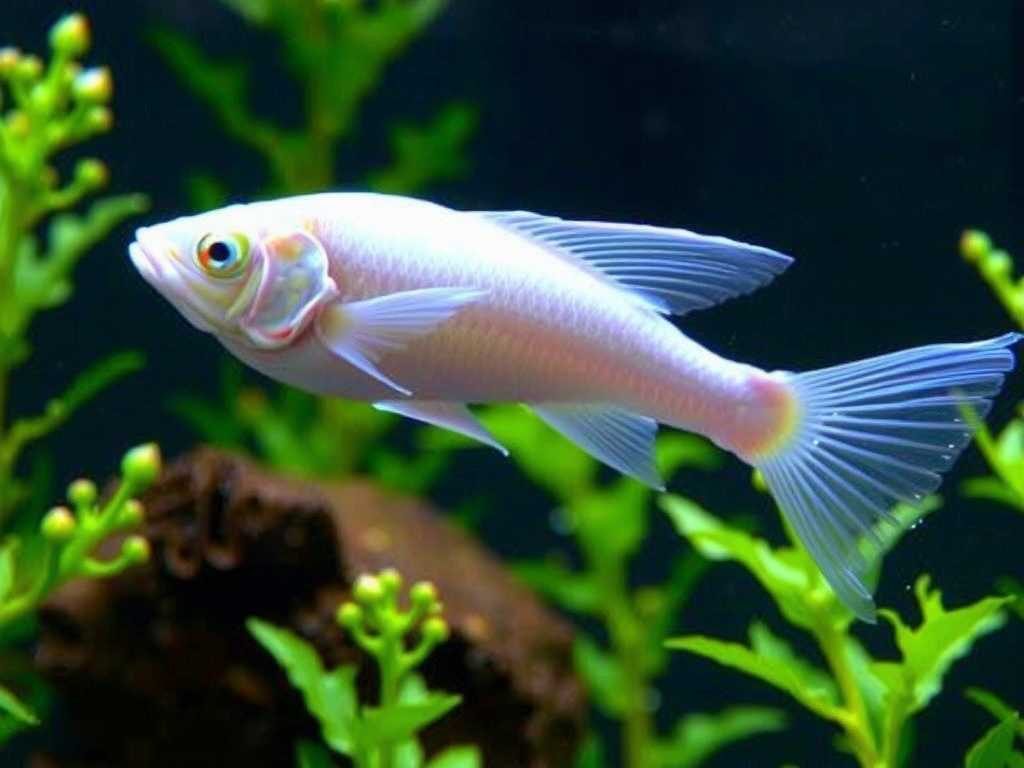
Lymphocystis is a chronic viral infection caused by an iridovirus. It specifically targets the connective tissue cells in a fish's skin and fins, causing them to enlarge dramatically—sometimes up to 100 times their normal size. These infected cells cluster together, forming the characteristic white, pinkish, or grayish nodules that resemble tiny cauliflowers, salt grains, or raspberries.
Crucially, lymphocystis is species-specific. The virus affecting freshwater fish cannot spread to marine species, and vice-versa. It is also highly contagious among individuals of the same or closely related species. The virus enters through breaks in the skin, often caused by netting, aggression from tank mates, or abrasions from sharp décor.
Diagnosis: Confirming It's Lymphocystis
Before attempting any cure for lymphocystis, accurate diagnosis is essential. Misdiagnosis can lead to ineffective or harmful treatments.
- Visual Identification: The classic lumpy, textured growths are the primary indicator. They typically appear on fins first (where damage is common) before spreading to the body.
- Behavioral Signs: Infected fish often behave normally, especially in the early stages. In advanced cases, growths on the mouth can hinder eating, and large body growths can cause swimming difficulties.
- Rule Out Look-Alikes: It's vital to distinguish lymphocystis from more serious conditions. Fungal infections appear as fluffy, cotton-like tufts. True parasitic cysts (like Ichthyophthirius) are uniform, salt-like specks that cover the body rapidly. A key differentiator is growth speed; lymphocystis develops slowly over weeks, while parasites and some fungi spread quickly.
Consulting with a veterinarian specializing in aquatic animals or an experienced aquatic pathologist is the gold standard for confirmation. As noted in a review from the Journal of Fish Diseases, microscopic examination can definitively identify the enlarged lymphocystis cells, eliminating guesswork.
A Step-by-Step Guide to Managing and Curing Lymphocystis Growths
There is no direct antiviral medication to eliminate the lymphocystis virus from an infected fish. Treatment for lymphocystis therefore focuses on supportive care, preventing secondary infections, and controlling the virus's spread. The goal is to support the fish's immune system so it can overcome the infection on its own, a process that can take several weeks to months.
Step 1: Immediate Quarantine and Observation
Upon confirming or strongly suspecting lymphocystis, isolate the affected fish in a separate, bare-bottom hospital tank. This serves two critical purposes:
- It prevents the spread of the virus to other susceptible fish in your main display aquarium.
- It creates a low-stress, easy-to-manage environment for the sick fish. Ensure the quarantine tank has excellent filtration, stable temperature, and pristine water. This is the foundation of all effective ornamental fish disease treatment.
Step 2: Optimize Water Quality and Reduce Stress
Stress is the primary suppressor of a fish's immune system. Optimizing the environment is the most powerful tool you have.
- Impeccable Water Parameters: Perform frequent, small water changes (e.g., 20-25% every other day) in both the quarantine and main tanks. Use a reliable test kit to ensure ammonia and nitrite are at 0 ppm, and nitrate is kept low.
- Minimize Handling: Avoid netting or handling the fish, as this can damage the growths and spread the virus.
- Provide a Balanced Diet: Offer high-quality, vitamin-rich foods. Some hobbyists and experts recommend supplementing with foods soaked in vitamins C and E to boost immune function.
Step 3: Treat Secondary Infections
The lumpy growths can create openings for bacterial or fungal pathogens. To cure growths and prevent complications, you may need to treat secondary infections.
- Use a broad-spectrum antibacterial medication (like those containing erythromycin or kanamycin) or an antifungal treatment if you notice redness, inflammation, or fuzzy growth around the nodules.
- Salt (sodium chloride) can be a gentle and effective aid. A low, prolonged bath in the quarantine tank (1-2 grams per liter) can support osmoregulation, reduce stress, and mildly inhibit some external pathogens.
Step 4: Surgical Removal (A Last Resort)
For severe, debilitating cases where a growth obstructs the mouth or a fin, manual removal by a qualified aquatic veterinarian may be considered. This is a delicate procedure performed under anesthesia. It removes the physical burden but does not cure the underlying viral infection—the fish must still heal in an optimal environment. Never attempt to cut or scrape off growths yourself, as this can cause severe bleeding, infection, and immense stress.
Step 5: Main Tank Management and Prevention
While your fish is in quarantine, address the root cause in your main aquarium.
- Identify and Remove Stressors: Evaluate tank dynamics. Is there aggression? Are decorations sharp? Is the tank overcrowded?
- Disinfect Shared Equipment: Use a dedicated net for the hospital tank. Soak any shared equipment (nets, siphons) in a strong disinfectant like a bleach solution (1 part bleach to 20 parts water, followed by thorough rinsing and dechlorination).
- Strengthen All Fish: Focus on improving the diet and water quality for your remaining fish to bolster their natural resistance.
Long-Term Prognosis and Healing
With proper supportive care, most fish will eventually reject the growths. The nodules will typically darken, shrink, and fall off, often leaving no permanent scar. The fish develops immunity to that particular strain of the virus, though it may remain a carrier. Patience is paramount. Rushing the process with harsh chemicals is counterproductive and dangerous.
Frequently Asked Questions
Can lymphocystis spread to humans or other pets? No. The lymphocystis virus is not zoonotic. It is specific to certain groups of fish and poses no risk to humans, cats, dogs, or other household pets.
How long does it take for lymphocystis to go away? The timeline varies widely. In ideal conditions, minor cases may resolve in 4-6 weeks. More severe infections can take 2-3 months or longer for the growths to fully recede. Consistency in care is key.
Should I euthanize a fish with lymphocystis? Euthanasia is rarely justified for lymphocystis alone. It is a non-fatal disease. Consider it only if the growths are so severe that they permanently prevent eating or swimming, and all treatment options have been exhausted. Consultation with a vet is advised before making this decision.
Successfully managing lymphocystis hinges on a shift in perspective: from seeking a quick cure to providing long-term, supportive care. By focusing on pristine water, a stress-free environment, and preventing secondary complications, you empower your fish's own immune system to do the healing. This approach not only addresses the visible growths but also builds a fundamentally healthier aquarium system, making it more resilient against future disease challenges. Remember, the most effective medicine is often a perfect environment.
发表评论