 admin
admin How to Care for Goldfish in Ornamental Fish Care: Special Tips for a Thriving Pet
Bringing home a vibrant goldfish is an exciting moment. Yet, for many new aquarists, the initial joy can quickly turn to confusion and heartbreak. Why does the water get cloudy so fast? Why is my goldfish floating oddly or seeming lethargic? The common misconception is that goldfish are simple "starter pets" requiring just a bowl and occasional flakes. This belief is the core reason for their premature decline. True, dedicated goldfish care in ornamental fish care demands understanding their specific needs, which are often more complex than advertised. This guide moves beyond basic advice to deliver special, in-depth tips that address the real challenges of keeping these graceful creatures healthy and vibrant for years, transforming your approach to ornamental fish care.
Understanding Your Goldfish: More Than Just a Bowl Fish
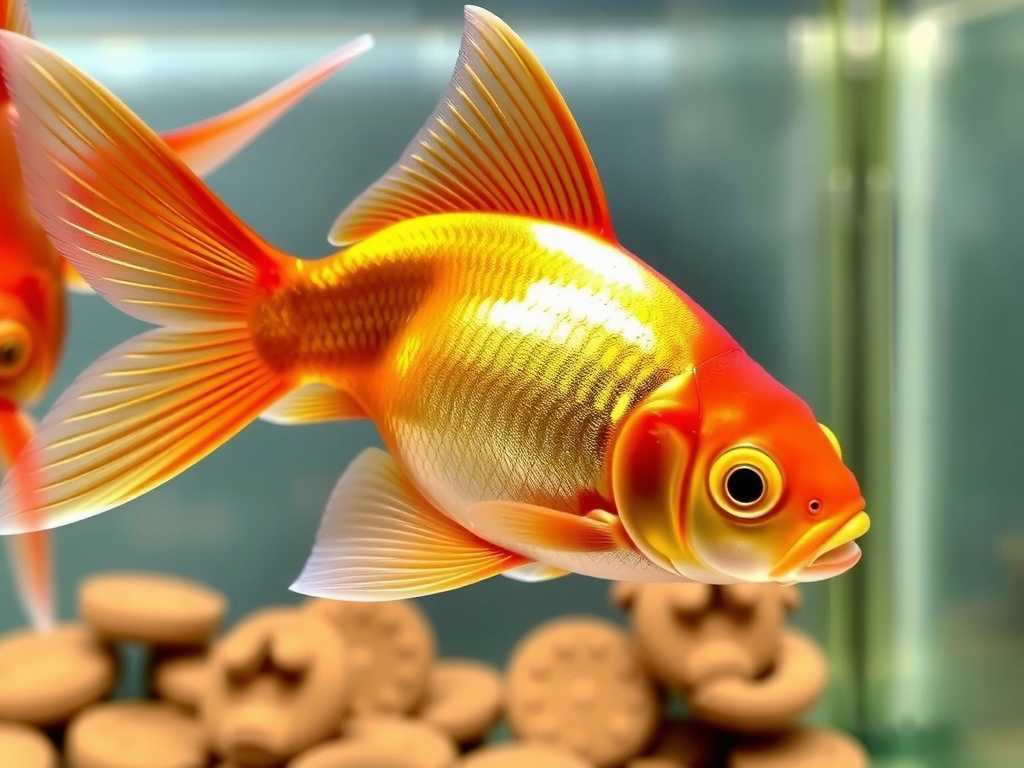
To provide exceptional care, you must first understand what you're caring for. The common goldfish (Carassius auratus) is a domesticated carp, a species that in the wild inhabits slow-moving, vegetated waters. They are social, intelligent, and surprisingly messy creatures.
- Biology and Behavior: Goldfish are cold-water fish, preferring temperatures between 65-72°F (18-22°C). They lack true stomachs and digest food continuously, leading to significant waste production. This single fact is the most critical in determining their housing needs.
- Lifespan and Size: With proper goldfish tank maintenance and health management, a common goldfish can live 10-15 years, and some varieties even longer. They can grow over 12 inches; the stunted growth seen in bowls is a sign of poor health, not normal development.
The Foundation: Setting Up the Ideal Goldfish Habitat
The biggest mistake is starting with a tank that's too small. A proper environment prevents a majority of health issues.
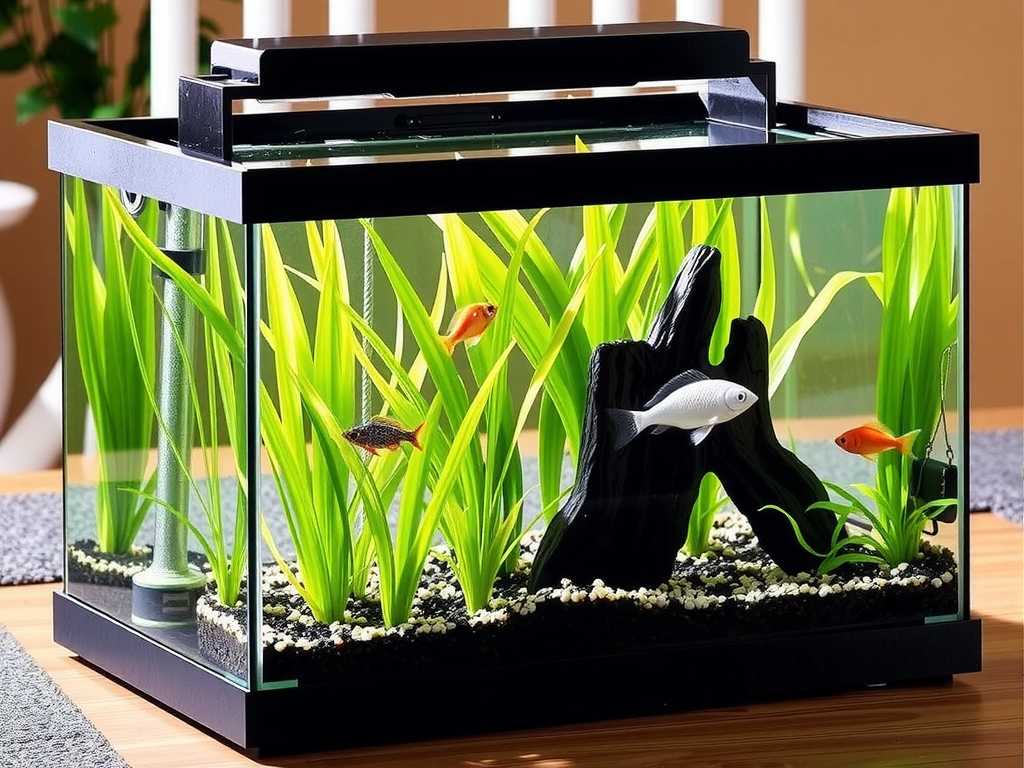
Tank Size and Filtration: The Non-Negotiables For a single common goldfish, a 20-gallon tank is the absolute minimum starting point. For each additional goldfish, add at least 10-15 gallons. Larger tanks provide stable water parameters and dilute waste. Filtration is even more crucial. You need a filter rated for at least double the volume of your tank. Goldfish thrive with filters that provide both mechanical and biological filtration. Canister filters or powerful hang-on-back filters are excellent choices. The water flow should be gentle to moderate, as fancy goldfish varieties are poor swimmers.
Water Quality: The Invisible Lifeline Water parameters are the cornerstone of health. You must cycle your tank (establish beneficial bacteria) before adding fish—a process that can take 4-6 weeks. Invest in a liquid test kit to monitor key parameters weekly:
- Ammonia and Nitrite: Always 0 ppm. Any detectable level is toxic and stressful.
- Nitrate: Aim to keep below 20 ppm through regular water changes.
- pH: Goldfish are adaptable but prefer a stable pH between 7.0 and 7.8.
Substrate, Decor, and Lighting Use smooth gravel or sand to prevent injury. Avoid sharp ornaments. Live plants like Anubias or Java Fern are beneficial but may be nibbled; they help absorb nitrates. Provide open swimming space alongside hiding spots. A standard aquarium LED light on a timer (8-10 hours daily) supports plant growth and regulates the fish's day/night cycle.
Advanced Goldfish Nutrition and Feeding Practices
A varied diet prevents nutritional deficiencies and boosts immune function.
Beyond Flakes: A Balanced Diet High-quality sinking pellets or gels should be the staple food, as they reduce air ingestion (which can cause swim bladder issues). Supplement with:
- Vegetables: Blanched peas (shelled), zucchini, spinach, and lettuce.
- Protein: Occasional treats like bloodworms, daphnia, or brine shrimp.
Feeding Schedule and Portion Control Feed adult goldfish 1-2 times daily, only as much as they can consume within 1-2 minutes. One day of fasting per week aids their digestion. As noted by aquatic veterinarian Dr. Jessie Sanders, "Overfeeding is the most common husbandry error. It directly pollutes the water and leads to fatty liver disease in goldfish."
Proactive Health Management and Disease Prevention
Observing your goldfish daily is your best diagnostic tool. Look for clear eyes, intact fins, steady swimming, and a healthy appetite.
Quarantine and Acclimation Always quarantine new fish or plants in a separate tank for 3-4 weeks to prevent introducing disease. When introducing fish, always use the drip acclimation method over an hour to slowly adjust them to your tank's water chemistry.
Recognizing Common Aliments
- Swim Bladder Disorder: Often diet-related. Feed a shelled, cooked pea and ensure a varied diet.
- Ich (White Spot Disease): Looks like salt grains on fins/body. Treat with raised temperature (gradually to 78°F) and a reputable ich medication.
- Fin Rot: Fins appear ragged or milky. This is a bacterial infection often stemming from poor water quality. Immediate water improvement is step one, followed by antibacterial treatment if severe.
Consistent, proper care for fancy goldfish and common varieties hinges on pristine water. Most diseases are secondary to stress caused by suboptimal conditions.
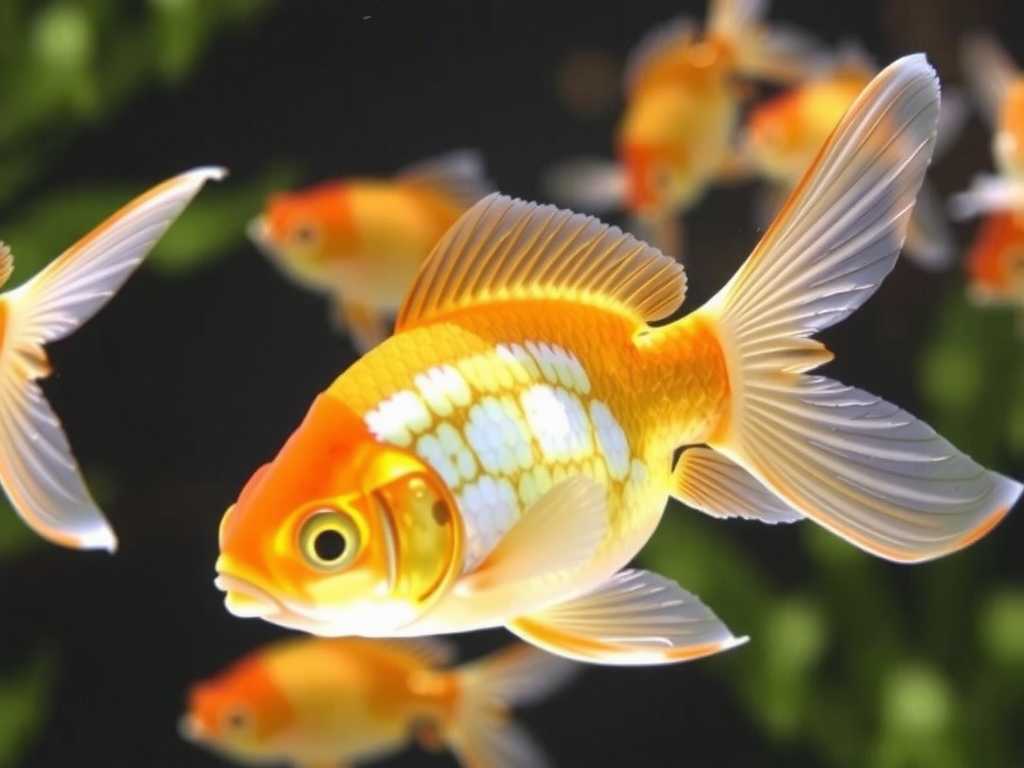
Seasonal and Long-Term Care Considerations
Temperature Fluctuations In summer, ensure the tank doesn't overheat (above 75°F for commons). In winter, if in an unheated room, use a reliable aquarium heater to prevent sudden drops. While they are cold-water fish, rapid temperature swings are dangerous.
Tank Maintenance Routine
- Weekly: Test water. Perform a 25-30% water change using a gravel vacuum to remove waste from the substrate. Treat new water with a dechlorinator.
- Monthly: Rinse filter media in removed tank water (never tap water) to preserve beneficial bacteria. Check equipment.
- Annually: Deep clean and inspect all equipment.
Frequently Asked Questions
Can I really not keep a goldfish in a bowl? No. A bowl cannot hold a stable nitrogen cycle, lacks adequate space for swimming and growth, and often cannot support proper filtration or oxygenation. It severely shortens the fish's life and compromises its welfare. A filtered tank is an absolute requirement for specialized ornamental fish care for goldfish.
How often should I clean the entire tank? Avoid full "breakdown" cleanings. They crash your biological filter. Stick to regular partial water changes and substrate vacuuming. The filter media and tank surfaces house the essential bacteria that keep your water safe. Deep clean decorations separately if needed.
Why is my goldfish at the bottom of the tank? Occasional resting is normal. Prolonged bottom-sitting, however, can signal several issues: water quality problems (test immediately!), temperature being too low, swim bladder issues, or general stress. Observe for other symptoms and check your water parameters first.
Mastering how to care for goldfish in ornamental fish care is a rewarding journey that blends science with attentive observation. It transcends mere maintenance, becoming an engaging hobby centered on creating a stable, thriving aquatic ecosystem. By prioritizing spacious, filtered housing, impeccable water quality, a varied diet, and proactive health checks, you lay the groundwork for your goldfish to not just survive, but flourish. The sight of a healthy, active goldfish displaying its full colors and personality is the ultimate testament to the dedicated care you provide. Start with the right setup, commit to consistency, and you'll be rewarded with the graceful presence of these charming creatures for many years to come.
发表评论