 admin
admin How to Maintain Water Quality for Ornamental Fish Care: A Guide to Toxicity Fixes
You’ve invested time and love into creating a beautiful aquarium, a vibrant slice of underwater life. Yet, your fish seem listless, their colors dull, or worse, you’re facing unexplained losses. The culprit is often invisible: toxic water. Maintaining pristine water quality for ornamental fish care isn’t just about clarity; it’s a non-negotiable pillar of health. This guide cuts through the confusion, offering actionable toxicity fixes to transform your tank into a safe haven.
Understanding the invisible threats in your aquarium is the first step toward effective management. The primary offenders are ammonia, nitrite, and nitrate—a toxic trio produced from fish waste, uneaten food, and decaying plant matter. Even trace amounts of ammonia and nitrite can cause gill damage, suffocation, and severe stress. According to a study published in the Journal of Aquatic Animal Health, chronic exposure to low-level ammonia significantly compromises fish immune systems, making them susceptible to disease. Furthermore, heavy metals like copper or lead from tap water or decorations, chlorine, and fluctuating pH levels can create a cocktail of hazards. Recognizing the signs—gasping at the surface, clamped fins, erratic swimming, or red streaks on the body—is crucial for timely intervention. Your goal is not just to react to crises but to establish a system that prevents them.
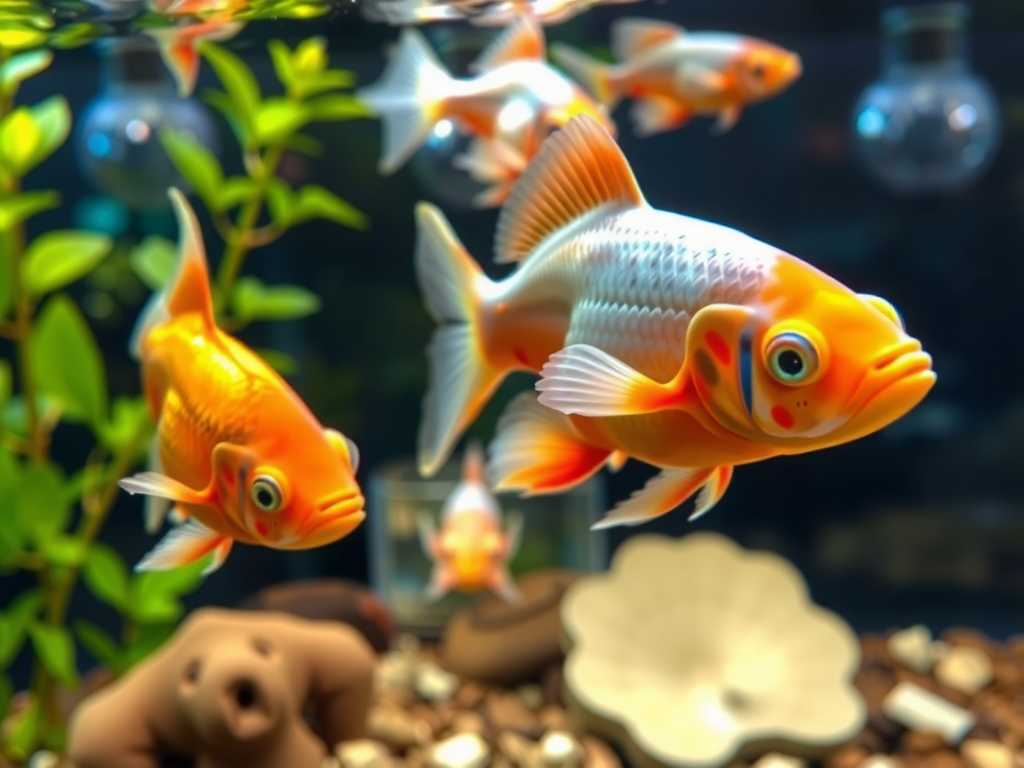
The Foundation: Building a Biological Filtration Powerhouse
A crystal-clear tank can still be poisonous. The true guardian of water quality for ornamental fish is your biological filter. This living system hosts beneficial bacteria that convert deadly ammonia into nitrite and then into less harmful nitrate.
- Cycle Your Tank Properly: Never rush introducing fish. The nitrogen cycle is mandatory. You can perform a fishless cycle using pure ammonia or a fish-in cycle with extreme diligence, testing daily. This process, which can take 4-8 weeks, establishes the bacterial colony that is your primary toxicity fix for ammonia and nitrite.
- Do Not Overclean: Avoid washing filter media under tap water, as chlorine will kill beneficial bacteria. Instead, rinse media in a bucket of old tank water removed during a water change. Preserve this bacterial habitat at all costs.
- Supplement When Needed: After a water change, when treating illness, or when adding new stock, consider using a reputable bacterial supplement. This can bolster your filter’s processing power and help stabilize the environment, preventing mini-cycles that lead to toxicity spikes.
Mastering the Art of the Water Change
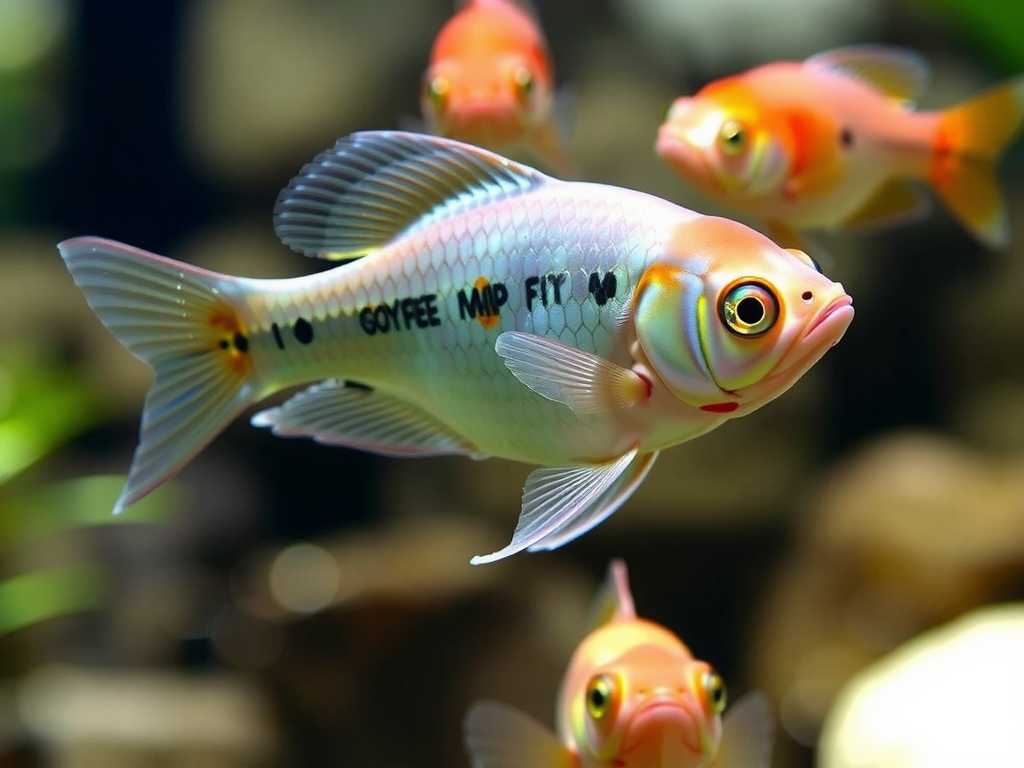
There is no substitute for fresh, clean water. Regular partial water changes are the most direct and effective method for diluting toxins like nitrate, phosphate, and dissolved organics.
- Frequency and Volume: A weekly change of 20-25% is a strong standard for most community tanks. Heavily stocked or sensitive species tanks may require 30-50% weekly. Consistency is far more important than occasional massive changes, which can shock fish.
- The Dechlorination Imperative: Always treat new tap water with a high-quality water conditioner. It must neutralize both chlorine and chloramine, and ideally, detoxify heavy metals. This single step is a non-negotiable toxicity fix for tap water hazards.
- Match Temperature and Parameters: Ensure the new water is within 1-2 degrees of the tank temperature. For sensitive fish, also check and adjust pH and hardness to closely match, avoiding osmotic stress.
Identifying and Neutralizing Specific Toxins
When problems arise, targeted action is required. Here’s how to address common toxic invaders.
- Ammonia and Nitrite Spikes: At any detectable level above 0 ppm, act immediately.
- Perform an immediate 50% water change.
- Dose a water conditioner that specifically binds ammonia and nitrite, making them non-toxic for 24-48 hours.
- Stop feeding for 1-2 days to reduce waste.
- Test daily until both readings return to zero.
- High Nitrate: While less acutely toxic, nitrate above 40-50 ppm causes long-term stress and algae blooms.
- Increase frequency or volume of water changes.
- Ensure live plants are thriving, as they consume nitrate.
- Review feeding habits; overfeeding is the most common cause.
- Heavy Metals: Suspected from new pipes, certain fertilizers, or inappropriate decor.
- Use a conditioner that chelates (binds) heavy metals.
- Consider using reverse osmosis (RO) water or a specialized heavy metal filter pad in your filter.
- Incorrect pH and Hardness: Sudden shifts are more dangerous than a stable, non-ideal value.
- Avoid drastic chemical adjustments. Instead, use natural methods like driftwood to lower pH or crushed coral to raise it and buffer hardness gradually.
- Always acclimate new fish slowly to your tank’s specific parameters.
Proactive Monitoring: Your Early Warning System
You cannot manage what you do not measure. Reliable test kits are your eyes into the water’s chemistry.
- Essential Tools: Invest in liquid test kits for ammonia, nitrite, nitrate, pH, and KH (carbonate hardness). Test strips are convenient but often less accurate for critical parameters.
- Testing Schedule: For established tanks, test weekly before a water change. During a new tank cycle or when troubleshooting, test daily. Log your results to spot trends.
- Observational Skills: Your fish are constant bio-indicators. Lethargy, loss of appetite, or abnormal behavior often appear before a test kit shows a problem. Trust your observations.
My fish are gasping at the surface right now. What’s the emergency fix? This is a critical sign of oxygen deprivation or ammonia/nitrite poisoning. Immediately increase surface agitation by turning up your filter output or adding an air stone. Perform a 50% water change with temperature-matched, dechlorinated water. Test for ammonia and nitrite immediately and use a detoxifying conditioner. These steps provide instant relief while you diagnose the root cause.
I use tap water conditioner, but my fish still seem stressed after a water change. Why? The issue may be a difference in water temperature or a pH/GH/KH mismatch causing osmotic shock. Always temperature-match the new water. For sensitive fish, drip-acclimating them to the new water over an hour can help. Also, some conditioners only handle chlorine; ensure yours neutralizes chloramine and heavy metals as well.
How can I naturally control nitrate and algae without more water changes? Incorporating fast-growing live plants like hornwort, water wisteria, or floating plants is highly effective. They directly compete with algae for nutrients, absorbing nitrate and phosphate. Additionally, ensuring your tank is not overstocked and that you are feeding no more than your fish can consume in two minutes will reduce the nutrient load at its source.
发表评论