 admin
admin How to Treat Ich in Ornamental Fish Care: Cure White Spots Fast
Discovering tiny white spots like grains of salt scattered across your fish’s fins and body can send a wave of panic through any aquarium hobbyist. You’re not just looking at a cosmetic issue; you’re witnessing the early stages of Ichthyophthirius multifiliis, commonly known as Ich or white spot disease. This highly contagious parasite is a leading cause of fish loss, but the good news is it’s curable. Acting swiftly and correctly is the key to saving your aquatic pets. This definitive guide will walk you through exactly how to treat Ich in ornamental fish, equipping you with the knowledge to cure white spots fast and restore your tank’s health.
Understanding the Enemy: What Is Ich?
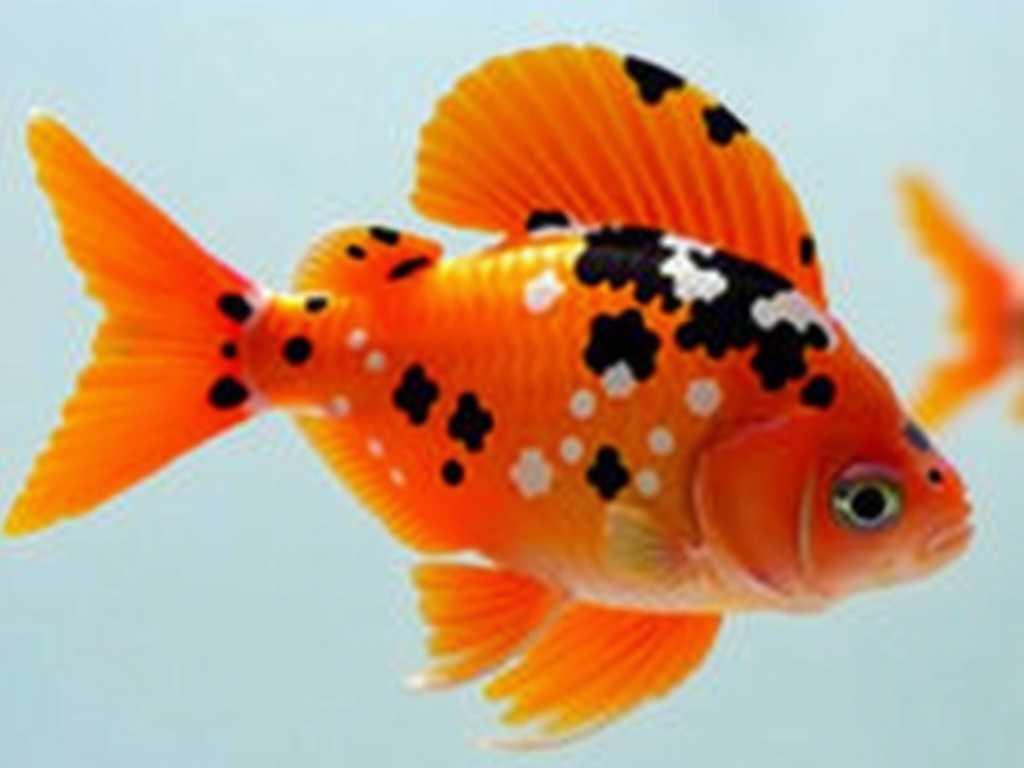
Before you can defeat an enemy, you must understand it. Ich is not a fungus but a ciliated protozoan parasite. Its life cycle is the single most important concept for effective treatment. The cycle has three main stages:
The Trophont Stage (Feeding on the Fish): This is the visible “white spot.” The parasite is embedded under the fish’s skin or gills, feeding on bodily fluids and tissue. It is protected from most medications at this stage.
The Tomont Stage (Reproducing in the Tank): After feeding for several days, the mature parasite drops off the fish, becomes a tomont, and attaches to surfaces like substrate, plants, or decorations. It forms a cyst and divides rapidly, creating hundreds of new infectious cells called tomites.
The Theront Stage (Free-Swimming and Infectious): The cyst bursts, releasing the tomites into the water. These free-swimming cells must find a fish host within 24-48 hours or they die. This is the only stage where medication is fully effective.
Treating Ich effectively means breaking this life cycle, which typically takes 10-14 days at tropical temperatures (78-80°F). Raising the temperature can accelerate the cycle, making the parasites vulnerable to treatment sooner.
Step-by-Step: How to Cure White Spot Disease Fast
A successful Ich treatment requires a multi-pronged approach. Follow these steps meticulously.
Step 1: Immediate Quarantine and Diagnosis Isolate infected fish in a separate hospital tank if possible. This prevents the spread and allows for targeted treatment without harming invertebrates or the main tank’s biological filter. Confirm it is Ich by looking for the classic signs: pin-sized white spots, flashing (scratching against objects), labored breathing, clamped fins, and lethargy. As noted by aquatic veterinarian Dr. Jessie Sanders, “Misdiagnosis leads to mistreatment. True Ich spots are uniform in size and don’t have fuzzy edges, unlike fungal infections.”
Step 2: Gradually Increase Water Temperature In a freshwater tropical aquarium, gradually raise the temperature to 82-86°F (27-30°C) over 24 hours. Higher temperatures speed up the Ich life cycle, pushing parasites into the vulnerable free-swimming stage faster. Crucial Note: Only do this if your fish species can tolerate higher temperatures. Some species, like goldfish, are cold-water and this step can cause severe stress.
Step 3: Choose and Administer the Right Medication Select a treatment formulated specifically for Ich. Always follow the manufacturer’s dosage instructions and remove chemical filtration (carbon) during treatment.
For Freshwater Tanks:
- Medicated Treatments: Active ingredients like Malachite Green, Formalin, or Copper are highly effective. Use copper-based treatments with extreme caution, as they are toxic to invertebrates, scaleless fish (like loaches and catfish), and plants.
- Salt Treatment: For sensitive fish, a non-medicated approach using aquarium salt can be effective. It works by osmotic stress, disrupting the parasite’s fluid balance. A common protocol is 1 tablespoon of salt per 5 gallons, dissolved in tank water before adding. Increase gradually over several days.
For Saltwater Tanks:
- Copper-Based Medications: The gold standard for marine Ich. You must use a copper test kit to maintain the therapeutic level (typically 0.15-0.20 ppm) for the full treatment period. Copper is lethal to all invertebrates.
- Hyposalinity: Lowering the salinity to 1.009-1.010 specific gravity for 3-4 weeks is a copper-free alternative that disrupts the parasite’s osmoregulation. This requires precise monitoring with a refractometer.
Step 4: Maintain Diligent Tank Management
- Medication Schedule: Most treatments require re-dosing every other day to kill new waves of free-swimming parasites as they emerge. Continue treatment for at least 3-5 days after the last white spot has disappeared from your fish to ensure all life cycle stages are eradicated.
- Water Quality: Perform daily 25-30% water changes in the hospital tank before each re-dose to remove parasites and waste. In the main display tank (if treating in-tank), vacuum the gravel thoroughly to remove tomont cysts.
- Reduce Stress: Dim the lights, ensure excellent oxygenation (increased temperature lowers oxygen levels), and provide high-quality, easy-to-eat food to support fish immunity.
Preventing Future Ich Outbreaks
An ounce of prevention is worth a pound of cure. Ich is often a “stress-mediated” disease, lying dormant until a fish’s immune system is compromised.
- Quarantine All New Arrivals: The #1 rule. Isolate new fish, plants, and even wet equipment in a separate tank for a minimum of 2-4 weeks. This prevents introducing Ich and other pathogens.
- Optimize Tank Conditions: Maintain stable water parameters (pH, ammonia, nitrite, nitrate), avoid overcrowding, and provide a balanced diet. According to a 2022 industry report on aquarium health, “Over 70% of disease outbreaks are directly linked to chronic environmental stress.”
- Minimize Handling Stress: Be gentle during netting and tank maintenance.
Why did my fish get Ich even though my water looks clean? Ich parasites are often introduced from outside sources. Your water can be chemically pristine (zero ammonia) but still harbor pathogens. Stress from transportation, temperature fluctuations, or bullying can weaken a fish’s immune system, allowing a latent parasite load to erupt into a full-blown infection.
Can Ich go away on its own without treatment? No. While a very strong, unstressed fish in an uncrowded tank may fight off a light initial infection, this is a high-risk gamble. The parasite population can explode exponentially. Without intervention, Ich is often fatal due to secondary infections, gill damage, and respiratory failure. Proactive treatment is always recommended.
Is Ich contagious to humans or other pets? No. Ichthyophthirius multifiliis is an obligate parasite specific to fish. It cannot infect mammals, birds, or reptiles. You do not need to worry about cross-contamination with your other household pets.
Successfully treating Ich requires patience, consistency, and a focus on the parasite’s life cycle. By correctly identifying the disease, choosing an appropriate treatment method, and maintaining impeccable tank conditions throughout the process, you can cure white spots fast. Remember, the end of visible symptoms is not the finish line; continue the full course of treatment to ensure complete eradication. Implementing a strict quarantine protocol for all new additions is your strongest long-term defense, creating a resilient aquatic environment where your ornamental fish can thrive without the constant threat of disease.
发表评论