 admin
admin How to Choose Tank Size for Ornamental Fish Care: Avoid Overcrowding
Bringing home your first aquarium is an exciting moment. You’ve chosen vibrant fish, imagined the serene underwater landscape, and can’t wait to see it come to life. But before you fill that tank with water and fish, there’s one critical, often misunderstood decision that will determine your success or failure: choosing the correct aquarium size. Getting this wrong leads directly to the single most common mistake in the hobby—overcrowding. An overcrowded tank is a ticking time bomb for stress, disease, and constant water quality issues. This guide will walk you through, step-by-step, exactly how to choose tank size for ornamental fish care, ensuring you provide a healthy, stable, and thriving environment from the start.
Why Tank Size is the Foundation of Everything
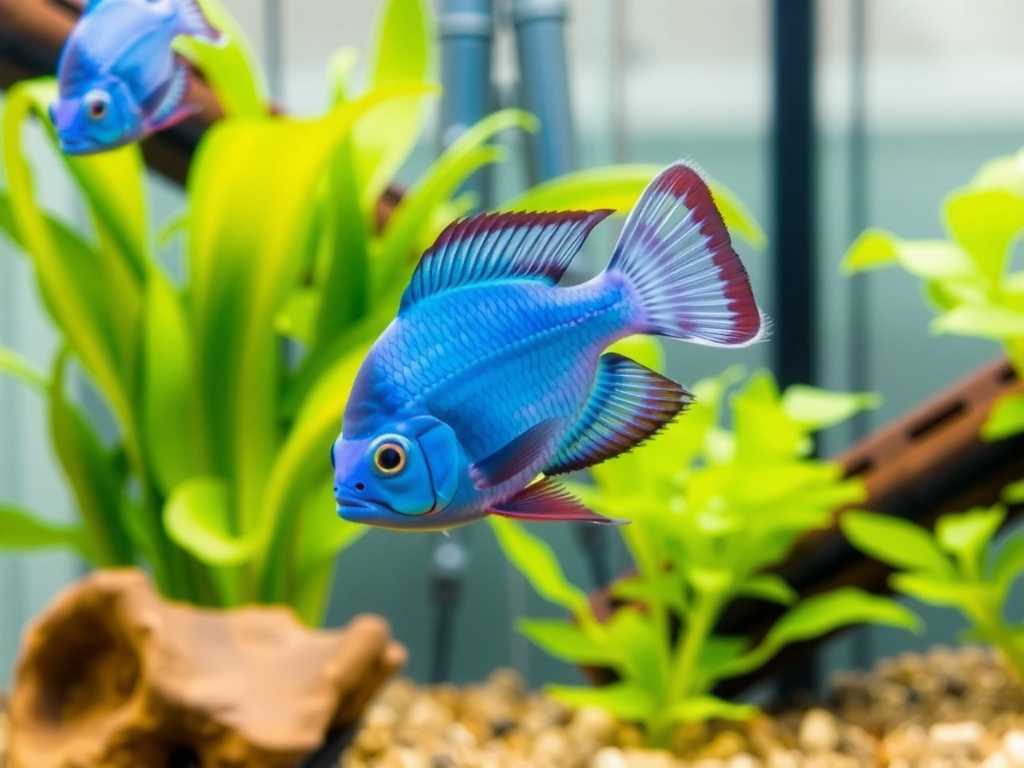
Think of your aquarium not just as a container of water, but as a complete life-support system. Every fish produces waste, primarily in the form of ammonia. In a properly sized and filtered tank, beneficial bacteria convert this ammonia into less harmful substances. In an undersized tank, this biological system is overwhelmed. Waste concentrations spike, oxygen levels drop, and fish become chronically stressed. This stress weakens their immune systems, making them susceptible to diseases like ich and fin rot. Simply put, a larger volume of water dilutes pollutants, provides more stable water parameters, and offers fish the space they need to exhibit natural behaviors. Starting with an adequately sized tank is the most proactive step you can take to avoid these problems.
Beyond the "One Inch Per Gallon" Myth
You may have heard the old rule: one inch of fish per gallon of water. This rule is dangerously outdated and misleading. It fails to account for a fish’s adult size, body shape, activity level, and waste production. A 10-inch slender Oscar has vastly different needs than a 10-inch round Goldfish, yet this rule would suggest they could live in the same tank. Following this myth is a fast track to an overcrowded, unhealthy aquarium. We need a more nuanced approach.
A Step-by-Step Guide to Calculating Your Ideal Tank Size
Forget simple formulas. Follow this logical process to determine the minimum tank size for your aquatic pets.
Step 1: Research the Adult Size and Behavior of Your Fish
Never buy a fish based on its juvenile size in the store. Always research its full adult size. A common pleco, for instance, can grow over 24 inches long—it has no business in a 20-gallon tank. Next, consider behavior. Is the fish highly active and a constant swimmer (like danios or rainbowfish)? Does it claim territory (like most cichlids)? Active and territorial fish need significantly more space than a similarly sized, placid bottom-dweller.
Step 2: Factor in Body Shape and Bioload
A fish’s physical shape and diet directly impact its waste output, known as bioload.
- Heavy Bioload Fish: Goldfish, cichlids, and large plecos produce a tremendous amount of waste. They require much more water volume per inch of fish for adequate dilution.
- Moderate to Light Bioload Fish: Most small tropical community fish like tetras, rasboras, and guppies have a lighter bioload relative to their size.
As a modern, more reliable starting point, many advanced aquarists suggest a minimum of 2-3 gallons of water per inch of a light bioload fish, with heavy bioload fish requiring 5-10 gallons per inch or more.
Step 3: Consider Social Needs and Schooling/Shoaling Behavior
This is crucial for avoiding fish tank overcrowding. Many popular species are schooling (tightly coordinated groups) or shoaling (loose social groups) fish. Examples include neon tetras, harlequin rasboras, and corydoras catfish. Keeping these fish in groups of less than 6 is stressful for them, leading to shyness, faded colors, and poor health. Therefore, your tank size must accommodate the entire recommended school, not just one or two individuals. For instance, 10 neon tetras need a school-friendly tank of at least 20 gallons to thrive as a group.
Step 4: Plan for Your Filtration and Aquascape
Your tank’s interior takes up space. A generous layer of substrate, driftwood, rocks, and live plants all displace water and reduce swimming room. Furthermore, a powerful filter is essential, but its output can create strong currents. In a small tank, there may be no calm area for fish that prefer still water. A larger tank provides more flexibility to create varied flow zones and a rich aquascape without sacrificing open swimming space.
Practical Tank Size Recommendations by Fish Type
Let’s apply the principles above to some common scenarios.
Small Community Fish Tanks For a community of small tetras, rasboras, livebearers, and dwarf catfish, a 20-gallon long tank is an excellent starting point. Its greater surface area and length provide far better swimming room than a taller, narrower tank of the same volume. This size allows for proper schools of multiple species and stable water chemistry.
Cichlid and Territorial Fish Setups Territorial fish require careful space planning. For a pair of dwarf cichlids like Apistogramma, a heavily decorated 20-gallon can work. For larger cichlids like Angelfish, a minimum of a 55-gallon tall tank is recommended for a pair, providing the height they appreciate. African cichlid tanks often start at 55 gallons and go much larger to disperse aggression.
The Goldfish Reality Check The proper aquarium size for goldfish is the most frequently underestimated. Fancy goldfish require a minimum of 20-30 gallons for the first fish and 10-20 gallons for each additional one. Single-tail commons or comets, due to their massive waste production and potential to reach 12 inches, need ponds or tanks starting at 55-75 gallons for just one or two fish. Providing adequate tank volume for goldfish is non-negotiable for their long-term health.
Signs You’ve Already Fallen Victim to Overcrowding
How do you know if your current tank is overcrowded? Watch for these red flags:
- Persistent Water Quality Issues: You struggle to keep ammonia and nitrite at zero, and nitrate rises rapidly between weekly water changes.
- Aggressive or Stressed Behavior: Fish chase each other relentlessly, hide constantly, or gasp at the water’s surface (a sign of low oxygen).
- Stunted Growth and Health Problems: Fish fail to reach their expected adult size—a physiological symptom of poor water conditions—and suffer from frequent outbreaks of disease.
If you see these signs, increasing water change frequency is a temporary fix. The long-term solution is upgrading to a larger tank or rehoming some fish.
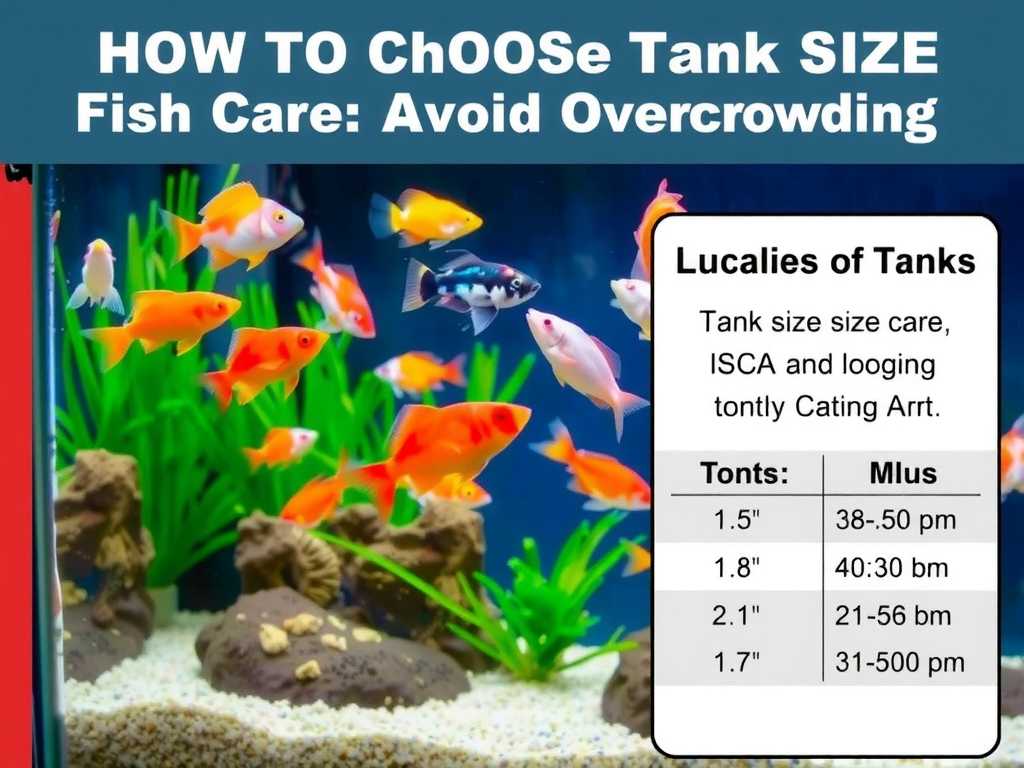
Investing in the Largest Tank You Can Manage
A seasoned aquarium expert, often quoted in hobbyist circles, advises: "Always buy the largest tank your space and budget can accommodate." A larger tank is paradoxically more forgiving for a beginner. Water parameters change more slowly, temperature is more stable, and you have greater flexibility in stocking choices. While the initial cost is higher, you save money and heartache by avoiding the inevitable upgrade from a too-small tank.
Frequently Asked Questions
I have a 10-gallon tank. What fish can I humanely keep? A 10-gallon tank is suitable for a single Betta fish, a small school (6+) of micro fish like Ember Tetras or Chili Rasboras, or a colony of dwarf shrimp. It requires diligent weekly maintenance. It is not suitable for goldfish, common plecos, or most community fish mixes.
Can’t I just use a powerful filter to handle more fish in a small tank? A powerful filter helps with mechanical and biological filtration, but it does not increase the physical swimming space available to your fish. Overstocking still leads to behavioral stress, territorial disputes, and doesn’t solve the fundamental issue of confinement. Filtration complements tank size; it does not replace it.
How do I calculate tank size for a mixed community aquarium? Use the "step-by-step" method above for each species you want. Add up the adult sizes, account for schooling numbers, and prioritize the needs of the fish with the largest space requirement. Let that fish’s needs dictate the minimum tank size, and then ensure the other species are compatible with that environment. Online aquarium stocking calculators can be a helpful check, but use them cautiously and always prioritize in-depth species research.
Choosing your aquarium’s size is the first and most significant commitment you make to your fish’s wellbeing. By moving beyond outdated rules and focusing on the biological and behavioral needs of your aquatic pets, you set up a sustainable ecosystem. A properly sized tank means less stress for you and your fish, resulting in clearer water, healthier livestock, and a more vibrant, natural display to enjoy. When in doubt, always err on the side of more water and more space. Your fish will thank you for years to come.
发表评论