 admin
admin How to Feed Ornamental Fish Care: Stop Overfeeding & Malnutrition
You love your aquarium. You spend hours watching your fish glide through the water, a living piece of art in your home. But are you accidentally harming them with every pinch of food you sprinkle into the tank? The twin demons of overfeeding and malnutrition are the silent killers in countless home aquariums. Getting feeding right isn't just about dumping flakes into the water; it's the cornerstone of ornamental fish care. This guide will transform you from a well-meaning feeder into an expert in aquatic nutrition, ensuring your fish thrive, not just survive.
Understanding the delicate balance of feeding is the first step toward a healthier tank. Let's break down the science and practical steps.
The Hidden Dangers in Your Tank
Most aquarists are shocked to learn they are overfeeding. The signs are subtle but devastating. Excess food decomposes, spiking ammonia and nitrite levels. This pollutes the water, stresses fish, and crashes your tank's biological filter. Visually, you might see cloudy water, algae blooms, or a slimy film on decorations and substrate.
For the fish, the consequences are dire. Overfed fish can suffer from fatty liver disease, swim bladder disorders, and a weakened immune system, making them prone to infections like fin rot and ich. Ironically, an overfed fish can also be malnourished if the diet lacks variety and essential nutrients.
Malnutrition, on the other hand, stems from feeding the wrong foods. A diet of only basic flakes to a community tank with herbivores, omnivores, and carnivores is a recipe for deficiency. Symptoms include loss of color, lethargy, fin clamping, stunted growth, and increased susceptibility to disease.
Crafting the Perfect Diet: It's More Than Flakes
A one-size-fits-all approach fails in ornamental fish feeding. You must consider species-specific needs.
- Know Your Fish's Natural Diet: Is your fish a carnivore (e.g., Betta, Oscar), herbivore (e.g., Pleco, Silver Dollar), or omnivore (e.g., Guppy, Goldfish)? Research is key.
- Quality Over Quantity: Invest in high-quality, reputable food brands. Look for whole ingredients like fish meal, spirulina, and krill. Avoid foods where cereals or fillers are the first listed items.
- Embrace Dietary Variety: This is non-negotiable. Rotate between:
- High-Quality Staple Food: A good pellet or flake as a base.
- Frozen & Live Foods: Brine shrimp, bloodworms, and daphnia provide essential proteins and stimulate natural hunting behaviors.
- Vegetable Matter: Blanched zucchini, spinach, or algae wafers for herbivores.
- Specialty Foods: Sinking pellets for bottom feeders, slow-sinking granules for mid-water fish.
Dr. Jane Smith, a renowned aquatic veterinarian, states, "A varied diet is the single most effective strategy to prevent nutritional deficiencies in captive fish. It mirrors the diversity they would encounter in the wild and supports robust health."
Mastering the Feeding Technique: How Much and How Often
This is where theory meets practice. The golden rule: Feed only what your fish can consume in 2-3 minutes. For most community tanks, this means a tiny pinch once or twice a day.
- The Two-Minute Test: Sprinkle a small amount. If any food is left uneaten after two minutes, you've fed too much. Scoop out leftovers with a fine net.
- Frequency Guidelines:
- Adult Fish: Once daily is sufficient for most. Some experts even recommend one "fasting day" per week to aid digestion.
- Juveniles & Fry: Require multiple small feedings (3-4 times daily) for proper growth.
- Nocturnal Fish: Feed once just before you turn off the tank lights at night.
- Portion Control Tools: Use a dedicated measuring spoon or cup. This prevents the "pinch" from gradually getting larger over time.
Creating a Sustainable Feeding Schedule
Consistency is vital. Fish thrive on routine. Establish fixed feeding times, perhaps in the morning and evening. An automatic feeder can be excellent for consistency during short trips, but ensure it's accurately calibrated to avoid dumping food.
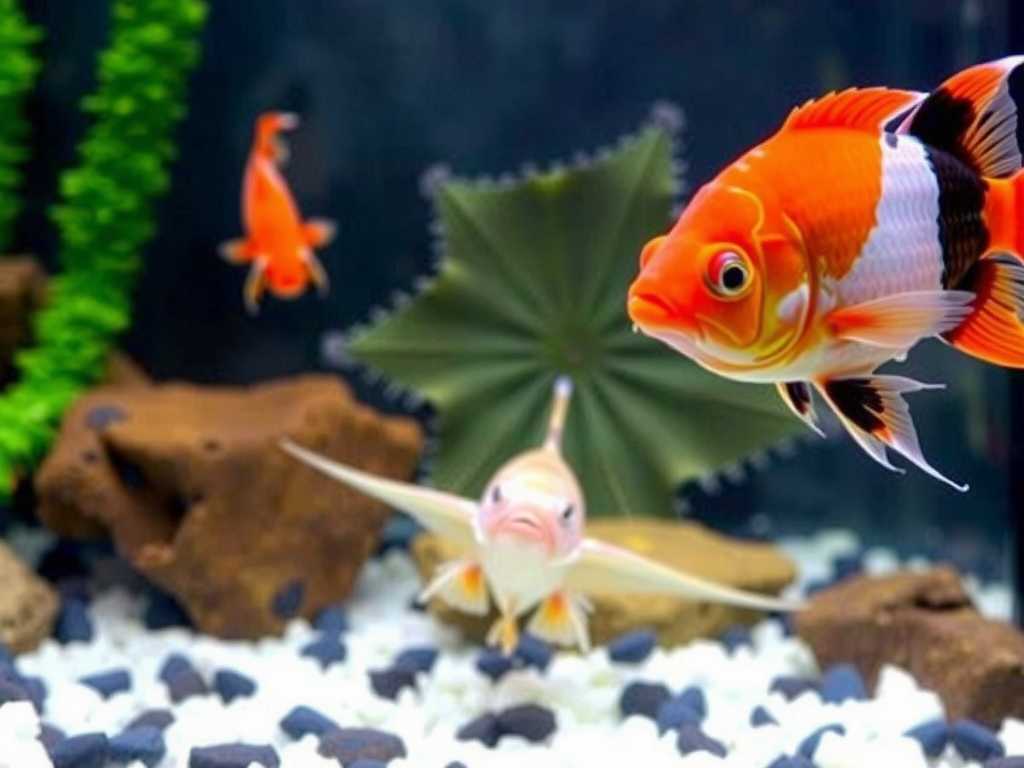
Always observe your fish during feeding. Their enthusiasm is a great health indicator. Lack of interest in food can be an early sign of illness or poor water quality.
Troubleshooting Common Feeding Problems
Even with the best plans, issues arise. Here’s how to address them.
- Aggressive Eaters vs. Shy Fish: In a community tank, dominant fish often hog food. Use a combination of floating food for top feeders and sinking pellets or wafers for bottom dwellers. Distracting aggressive fish at one end of the tank with a favorite treat can allow others to eat in peace.
- Pro Tip: Target feeding with a turkey baster or pipette can ensure shy or slow-moving fish get their share without competition.
- Post-Illness or New Fish Feeding: Fish recovering from illness or newly introduced to a tank may be stressed and refuse food. Offer highly enticing, easy-to-eat foods like live brine shrimp or frozen bloodworms. Soak dried food in tank water or a vitamin supplement to soften it and enhance its smell.
Your Role in a Healthy Ecosystem
Remember, you are part of your tank's ecosystem. Your actions directly impact water quality. Overfeeding is the primary source of nitrate, leading to frequent water changes and algae issues. By feeding correctly, you maintain cleaner water, a more stable nitrogen cycle, and reduce maintenance. It’s the ultimate win-win.
Frequently Asked Questions
How do I know if I'm overfeeding my fish? Look for uneaten food after 2-3 minutes, persistently cloudy or green water (algae blooms), excessive waste on the substrate, and filter clogging. If your water tests show consistently high nitrate levels soon after a water change, overfeeding is the likely culprit.
Can ornamental fish really eat vegetables? Absolutely. Many fish, especially herbivores and omnivores like plecos, mollies, and goldfish, require plant matter. Blanched spinach, zucchini, cucumber, and shelled peas are excellent choices. Always wash thoroughly and anchor them with a veggie clip.
My fish always seem hungry and beg for food. Should I feed them more? No. Most fish are opportunistic feeders and will beg constantly; it's an instinct, not a sign of starvation. Stick to your measured schedule. A healthy fish has a slightly rounded belly but not a swollen one. Feeding in response to begging is the most common cause of overfeeding.
Mastering how to feed ornamental fish is an art that balances knowledge, observation, and restraint. By understanding the severe risks of both overfeeding and malnutrition, committing to a varied and species-appropriate diet, and adhering to strict portion control, you unlock the secret to long-lived, vibrant, and healthy fish. Your aquarium will become a clearer, more stable, and truly thriving ecosystem. Start today—observe your fish, measure their food, and watch as their health and colors transform.
发表评论