 admin
admin How to Clean Tanks for Ornamental Fish Care: Minimal Effort
Does the thought of cleaning your fish tank fill you with dread? You’re not alone. Many aquarium owners struggle with the perceived complexity and time commitment of maintenance. The good news is that a pristine, healthy aquarium doesn’t require back-breaking weekly marathons. With the right system and smart habits, learning how to clean tanks for ornamental fish care can become a quick, effortless routine. This guide is designed for the busy hobbyist who wants a beautiful tank with minimal effort, focusing on efficiency and prevention over constant correction.
The Foundation: Setting Up for Easy Maintenance
The secret to minimal effort cleaning starts long before you siphon the first bit of gravel. A properly planned tank is inherently easier to care for.
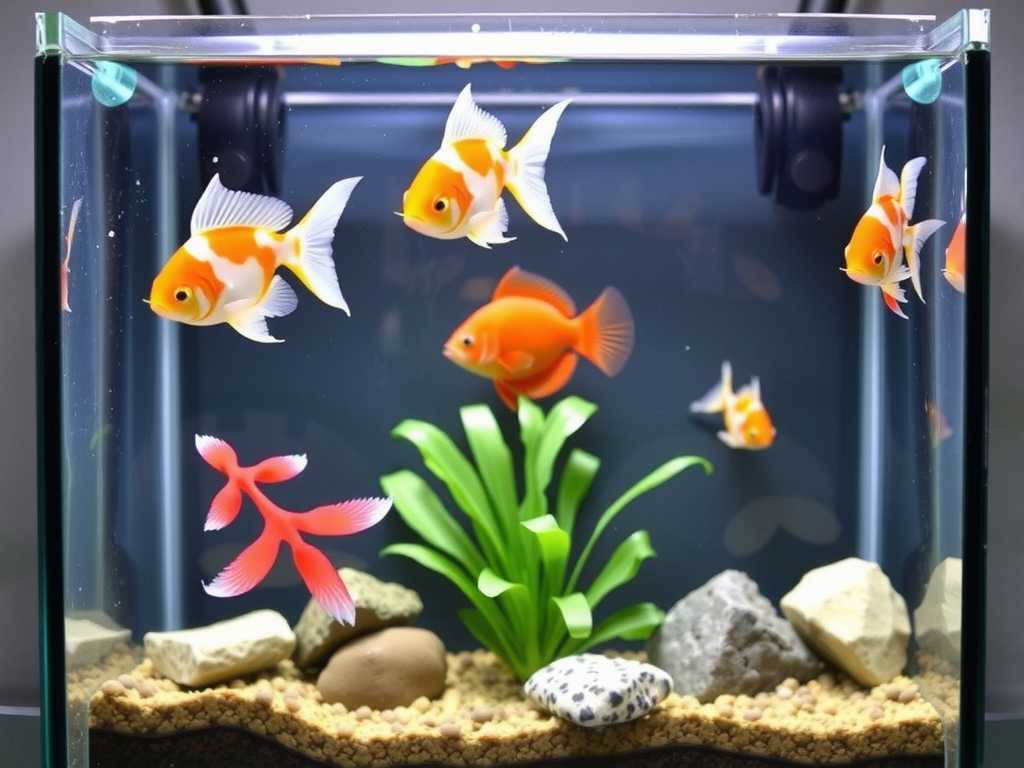
Choose the Right Size and Stocking Level Contrary to popular belief, larger tanks are often easier to maintain than smaller ones. A larger volume of water dilutes waste products, making parameters more stable and forgiving. Overstocking is the number one cause of excess waste, algae blooms, and frequent water changes. Follow the conservative stocking guidelines and your future self will thank you.
Invest in Quality Filtration Your filter is the workhorse of your tank. Don’t undersize it. A filter rated for a tank larger than yours provides better mechanical and biological filtration, trapping debris and processing ammonia efficiently. Canister filters or high-capacity hang-on-back models are excellent for minimal effort fish tank cleaning. Remember, the goal is to clean the filter less often, not more. Rinse filter media only in old tank water during water changes to preserve beneficial bacteria.
Embrace Live Plants Live plants are not just decorative; they are active partners in maintenance. They consume the nitrates that fuel algae, outcompete unsightly growths, and provide a more natural environment for fish. Hardy, low-light plants like Anubias, Java Fern, and floating plants like Frogbit require little care and make a significant impact on water quality.
Your Effort-Saving Cleaning Routine
A consistent, simplified routine prevents problems from building up. This is the core of easy aquarium maintenance for busy people.
The Weekly 20-Minute Water Change This is the non-negotiable cornerstone. The key is to make it fast and systematic.
- Prepare: Have your siphon, a dedicated bucket, and dechlorinated water ready at room temperature.
- Siphon Smartly: Use a gravel vacuum to siphon 15-25% of the water. Don’t obsess over cleaning every inch of substrate each week. Focus on areas with visible debris. This removes waste while changing water.
- Quick Wipe: While the water is low, use an algae pad or magnet cleaner to quickly wipe the inside glass. A weekly light wipe is easier than scrubbing thick algae monthly.
- Refill: Gently add the prepared new water. That’s it.
Intelligent Feeding Practices Overfeeding is the source of most cleaning headaches. It leads to polluted water and algae. Feed only what your fish can consume in one to two minutes, once or twice a day. Consider an automatic feeder for consistency if your schedule is irregular. As aquarist expert Tom Barr often notes, "Nutrient control via feeding is the first and most effective line of defense against poor water quality."
Filter Maintenance Without the Crash Never replace all filter media at once. This destroys your beneficial bacterial colony. Instead, gently rinse sponges or mechanical media in the bucket of old tank water you just siphoned out, only when the flow seems restricted. Replace chemical media (like carbon) as per instructions, and biomedia (ceramic rings, bio-balls) only if it’s falling apart, and even then, in stages.
Advanced Strategies for Even Less Work
For those who want to push the boundaries of a low-maintenance tank, these systems can dramatically reduce hands-on time.
The Power of the Clean-Up Crew Nature provides its own janitors. A balanced clean-up crew of invertebrates can handle algae and leftover food. Nerite snails are excellent algae grazers and won’t reproduce in freshwater. Amano shrimp are voracious algae eaters. Even certain fish, like Otocinclus catfish, specialize in soft algae. They work for you 24/7.
Automate Where Possible Technology is your friend. An automatic water changer, while an investment, can make water changes as simple as turning on a pump. Auto-dosers can replenish fertilizers for plants or minerals for shrimp precisely. Timers for lights are essential—consistent, appropriate photoperiods (6-8 hours) prevent algae and provide stability.
The "Low-Tech" Planted Tank Approach A heavily planted, lightly stocked tank with soil substrate can achieve remarkable balance. The plants and substrate act as a massive natural filter. In such established ecosystems, water changes are primarily for trace element replenishment, not waste removal, and can sometimes be stretched to bi-weekly or longer with careful monitoring. A 2021 report by the Aquatic Gardeners Association highlighted that mature planted tanks showed 40% lower nitrate accumulation rates than their non-planted counterparts.
Troubleshooting Common Issues with Minimal Fuss
Even with a good system, occasional issues arise. Here’s how to solve them without starting over.
Managing Algae Effortlessly Algae is a symptom, not the disease. Instead of constant scraping, address the cause: reduce light duration or intensity, check for overfeeding, and ensure your nitrate levels are in check. Increasing fast-growing plants or floating plants is a natural, long-term solution that outcompetes algae for resources.
Dealing with Cloudy Water Bacterial blooms (white haze) often follow overcleaning or a new setup. The minimal effort solution is often to do nothing but wait and ensure good filtration. It usually clears on its own as bacteria balance. For green water (algae bloom), a temporary blackout for 3-4 days, combined with reviewing your nutrient input, is highly effective.
When to Do a Deeper Clean If substrate has become compacted or overly dirty, target-clean one section of the gravel per week during your regular water change. Never deep-clean the entire tank and filter in one day, as this can shock the system. Spreading the work protects your fish and your sanity.
How often should I really clean my fish tank filter? Only clean the filter when the flow rate noticeably decreases. For most setups with proper pre-filtering (like a sponge on the intake), this may be every 4-8 weeks, not weekly. Always clean media in removed tank water, not tap water.
Can I use tap water directly for water changes? Never. Chlorine and chloramines in tap water are toxic to fish and bacteria. Always use a water conditioner to neutralize these chemicals instantly. This is the single most important step for maintaining a clean fish tank with little work, as it protects the ecosystem you’ve built.
What’s the biggest mistake that creates more cleaning work? Overfeeding. It’s the root cause of polluted water, algae problems, and clogged filters. Feeding less is healthier for your fish and drastically reduces maintenance needs. When in doubt, skip a feeding day.
A clean, thriving aquarium is absolutely achievable without dedicating your weekends to it. The philosophy is simple: build a balanced ecosystem, intervene gently and consistently, and let biology and smart technology do the heavy lifting. By setting up correctly, adhering to a swift weekly routine, and employing natural clean-up crews, you shift from a constant battle against dirt to a role of gentle stewardship. Your reward is more time to enjoy the serene beauty of your underwater world, not just maintain it.
发表评论