 admin
admin How to Treat Fin Rot in Ornamental Fish Care: Heal Damaged Fins
Seeing your beautiful betta’s flowing fins or your angelfish’s elegant fins become ragged and discolored is a distressing sight for any aquarium hobbyist. This common ailment, known as fin rot, can quickly turn a vibrant fish into a listless one, leaving you worried and searching for answers. Understanding how to treat fin rot in ornamental fish care is crucial, as this bacterial or fungal infection can progress from a cosmetic issue to a life-threatening condition if left unchecked. This guide will walk you through a clear, step-by-step process to diagnose, treat, and prevent fin rot, helping you restore your fish’s health and your tank’s harmony.
Understanding Fin Rot: Causes and Early Signs
Before you can treat the problem, you must correctly identify it. Fin rot is an infection that attacks the delicate fin tissue of fish. It typically starts at the very edges of the fins, creating a frayed, uneven, or milky-white appearance. As it advances, the fin may recede, becoming shorter, and the discoloration can turn brown, red, or black. In severe cases, it can reach the fish’s body, becoming body rot, which is much harder to cure.
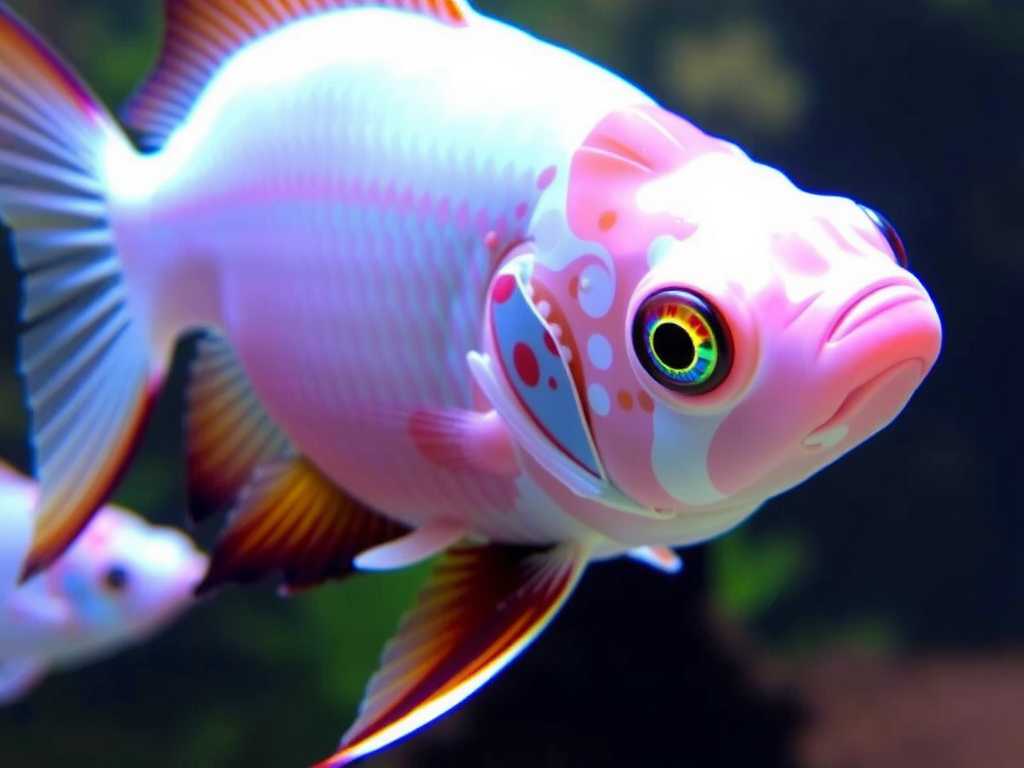
The primary cause is often poor water quality. High levels of ammonia, nitrite, and nitrate create chronic stress, weakening your fish’s immune system and allowing naturally occurring bacteria like Flavobacterium columnare (Columnaris) or fungi like Saprolegnia to take hold. Other triggers include physical damage from sharp tank decorations, aggressive tank mates that nip fins, and improper handling during netting.
Step-by-Step Treatment Plan for Fin Rot
Successfully healing damaged fins requires a multi-faceted approach. Isolating the sick fish, improving its environment, and administering appropriate treatment are the pillars of recovery.
Isolate the Affected Fish
Your first action should be to move the infected fish to a separate quarantine or hospital tank. This serves two critical purposes: it prevents the potential spread of pathogens to other fish and allows you to treat the patient more effectively without affecting your main tank’s biological filter or sensitive plants and invertebrates. A simple 5 to 10-gallon tank with a heater and gentle sponge filter is ideal.
Perform a Comprehensive Water Quality Check
This is the most critical step in both treatment and prevention. Test your main tank’s and hospital tank’s water for ammonia, nitrite, nitrate, and pH. As noted by aquatic veterinarian Dr. Jessie Sanders, “In over 80% of ornamental fish health cases presented, the root cause can be traced back to a water quality issue. Treating the fish without fixing the water is like applying a bandage to a wound that’s still being irritated.” Perform a significant water change (40-50%) on your main tank and ensure the hospital tank water is pristine and matched in temperature and pH.
Choose the Right Medication
Treatment depends on the severity of the infection. For mild, early-stage fin rot where the damage is only on the very edges, improving water quality through daily, small water changes in the quarantine tank may be sufficient. The fish’s immune system can often fight off the infection once the stressor is removed.
For moderate to severe cases, medication is necessary.
- Antibacterial Treatments: Since most fin rot is bacterial, a broad-spectrum antibacterial medication containing ingredients like erythromycin, tetracycline, or nitrofurazone is commonly used. Follow the dosage instructions on the product label meticulously.
- Antifungal Treatments: If a fuzzy, cotton-like growth accompanies the fin erosion, a fungal infection is likely present. Antifungal treatments containing methylene blue or phenoxyethanol are effective.
- Salt as a Therapeutic Aid: For freshwater fish, aquarium salt (not table salt) can be a gentle aid. It helps reduce osmotic stress on the fish, making it easier for them to maintain their internal balance, and can mildly inhibit pathogen growth. A common dosage is 1 teaspoon per gallon in the quarantine tank, but research your specific fish species first, as some, like Corydoras catfish, are very salt-sensitive.
Preventing Future Outbreaks of Fin Rot
Curing the current outbreak is only half the battle. Implementing a robust prevention strategy is key to ensuring it doesn’t return.
Maintain Impeccable Tank Hygiene
Establish a consistent maintenance routine. Weekly partial water changes of 20-30% are non-negotiable for removing waste and nitrates. Use a gravel vacuum to clean the substrate and remove uneaten food and debris. Overfeeding is a major contributor to poor water quality; feed only what your fish can consume in two minutes, once or twice a day.
Reduce Stress in the Aquarium Environment
A stressed fish is a susceptible fish. Ensure your tank is not overcrowded. Provide ample hiding places with smooth-edged decorations and live plants to give shy fish a refuge. Carefully research fish compatibility before adding new tank mates to prevent fin nipping. Maintain a stable water temperature suitable for your specific fish species, as sudden fluctuations are a significant stressor.
Support Fish Health Through Nutrition
A balanced, high-quality diet strengthens a fish’s immune system. Offer a variety of foods, including flakes, pellets, and occasional frozen or live treats like brine shrimp or daphnia. A well-nourished fish is far better equipped to fend off infections like fin rot before they take hold.
How long does it take for fins to grow back after fin rot? With excellent water quality and successful treatment, you can start to see clear, healthy tissue regrowth at the edges of the fins within a few weeks. Complete regeneration to their original length and shape can take several months, depending on the severity of the damage and the species of fish.
Can fin rot heal on its own without medication? In very mild cases triggered by a temporary water quality slip that is immediately corrected, a fish’s immune system may halt the progression and allow for healing. However, relying on this is risky. Active intervention with water changes and, if needed, medication provides a much safer and more reliable path to recovery.
Is fin rot contagious to other fish? The bacteria that cause fin rot are often present in many aquariums. The disease itself is not always directly contagious in the classical sense. Instead, the poor water conditions or stressors that allowed one fish to become sick are likely to weaken other tank inhabitants, making an outbreak among multiple fish common. This is why treating the environment is as important as treating the fish.
Watching a fish recover from fin rot is a rewarding experience that underscores the direct link between diligent aquarium care and animal health. By acting swiftly at the first sign of damage, committing to pristine water conditions, and providing a low-stress environment, you create a foundation where your ornamental fish can not only heal but truly thrive. Their vibrant, flowing fins will be the best testament to your dedicated care.
发表评论