 admin
admin How to Control Algae in Ornamental Fish Care: Natural Methods
You’ve spent hours creating a beautiful, serene underwater world for your fish. But now, a green, brown, or slimy film is taking over. Cloudy water, coated glass, and fuzzy decorations can make your aquarium look neglected and, more importantly, threaten the delicate balance your fish rely on. The immediate urge might be to reach for a chemical algaecide, but these quick fixes often harm beneficial bacteria and can stress your aquatic pets. The sustainable solution lies in understanding and addressing the root causes. This guide focuses on how to control algae in ornamental fish care using safe, natural methods that work with your tank’s ecosystem, not against it.
Understanding Algae: The Root of the Problem
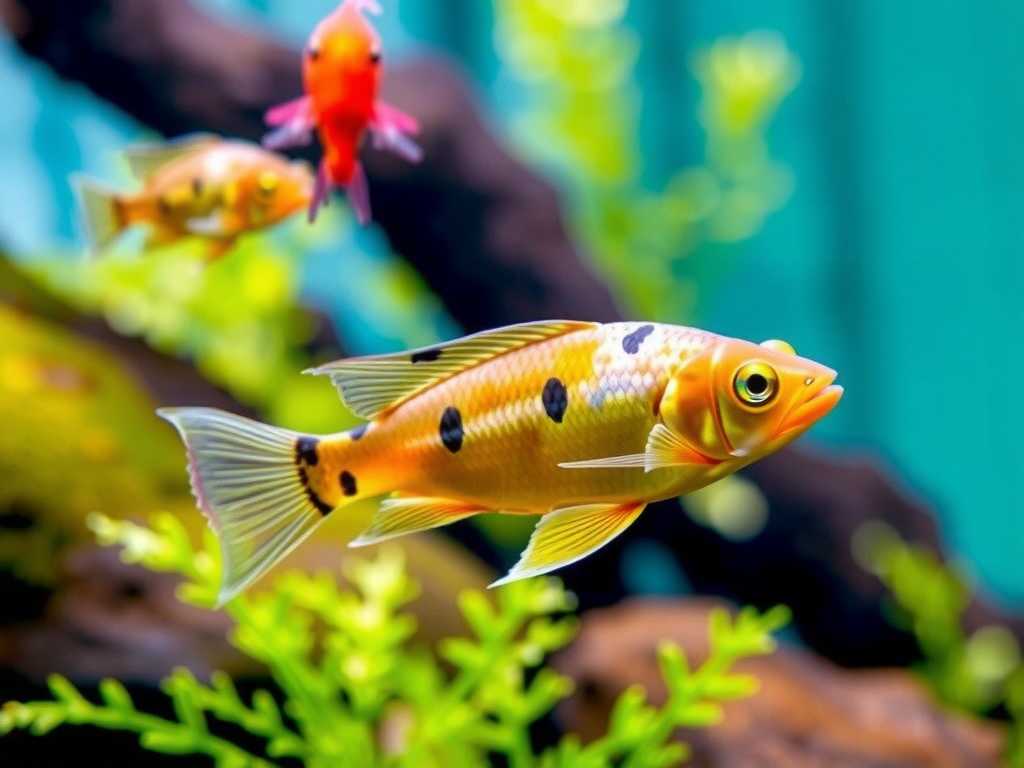
Algae is not inherently bad. In moderation, it’s a natural part of any aquatic environment and can even provide a minor food source for some species. The problem is overgrowth, which is always a symptom of an imbalance. Think of algae as nature’s indicator light. Its presence tells you that there are excess resources available for it to thrive. The primary drivers are excess nutrients (like phosphates and nitrates) and excess light. By tackling these fundamentals, you establish long-term algae control in fish tanks without resorting to harsh chemicals.
Natural Prevention: The First Line of Defense
The most effective natural algae treatment is preventing explosive growth before it starts. A proactive approach saves you endless hours of scraping and cleaning.
- Master Your Lighting Schedule: Algae photosynthesize. Too much light is an open invitation. For most planted and fish-only aquariums, 6 to 8 hours of consistent light per day is sufficient. Use a simple timer to ensure a regular photoperiod, avoiding direct sunlight from windows, which is unpredictable and potent.
- Strategic Feeding and Nutrient Control: Overfeeding is the number one source of excess phosphates and nitrates. Feed only what your fish can consume within two minutes, once or twice a day. Regularly test your water for nitrate levels; keeping them below 20 ppm (parts per million) is a key goal. As noted by aquarist and author Chris Eng, "An algae bloom is often a direct report card on your feeding habits and maintenance routine."
- Embrace Live Plants: This is one of the most powerful strategies. Fast-growing aquatic plants like Hornwort, Anacharis, and floating plants like Frogbit compete directly with algae for the same nutrients. They absorb nitrates and phosphates, effectively starving algae out. A well-planted tank is a stable tank.
- Commit to Consistent Maintenance: Weekly partial water changes (10-25%) are non-negotiable. Use a gravel vacuum to remove detritus, uneaten food, and fish waste from the substrate—the nutrient bank algae draws from. Clean filter media in removed tank water (not tap water) to preserve beneficial bacteria while removing organic sludge.
Natural Removal Methods and Algae-Eating Crews
When algae appears, you have a toolkit of natural solutions.
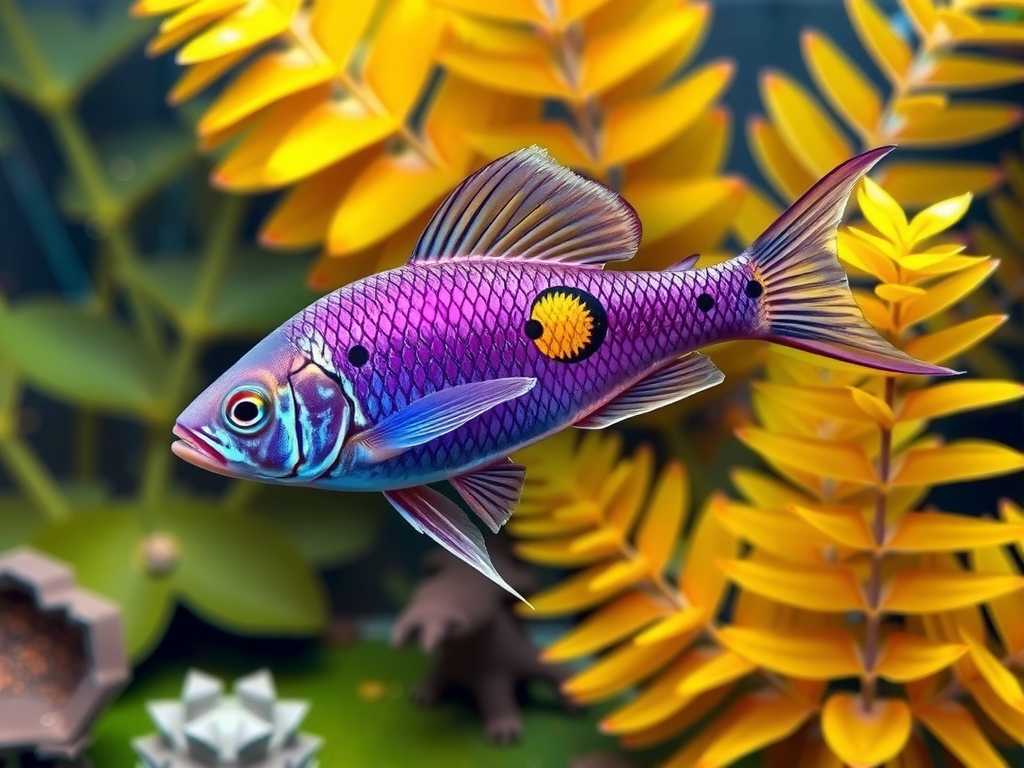
- Manual Removal: For spot treatment, nothing beats the direct approach. Use an algae scraper or pad for glass surfaces. For decorations and plant leaves, gently rub them during a water change or remove them to scrub in a separate container of tank water. For floating algae, a fine mesh net can skim the surface.
- Introducing Algae-Eating Organisms: Building a clean-up crew is a functional and fascinating solution. Choose inhabitants based on your tank size and algae type.
- Amano Shrimp and Cherry Shrimp: Excellent for biofilm, soft green algae, and detritus on plants and hardscape.
- Nerite Snails: Arguably the best algae-eating snails, they voraciously consume diatoms (brown algae) and green spot algae from glass and decor without reproducing in freshwater.
- Otocinclus Catfish: Gentle, schooling fish perfect for smaller tanks, specializing in soft green algae and diatoms on glass and leaves.
- Plecostomus Species (choose carefully): While common, many grow very large. Opt for smaller species like the Bristlenose Pleco for manageable algae management in aquariums.
- The Blackout Method: For severe green water algae blooms, a controlled blackout can reset the system. After a large water change and thorough cleaning, completely cover the tank to block all light for 3-4 days. Do not feed the fish during this time (they will be fine). This starves the floating algae. Follow with another water change and resume normal, reduced lighting.
Advanced Natural Balance: Beyond the Basics
For persistent issues, these methods can help fine-tune your ecosystem.
- Chemical Filtration Media: While still natural and non-toxic, products like phosphate-removing media (PhosGuard, etc.) or activated carbon can be added to your filter. They adsorb excess dissolved nutrients and organic compounds from the water column, polishing the water and limiting algae food.
- DIY CO2 for Planted Tanks: In planted aquariums, a stable, low-dose CO2 system can significantly boost plant growth. Healthier, faster-growing plants outcompete algae more effectively, creating a stronger biological buffer. This requires research to implement safely.
- Balance Your Fish Stock: An overcrowded tank produces more waste than your filtration and plants can handle. Ensure your bioload is appropriate for your tank’s size and filtration capacity.
Addressing Specific Algae Types Naturally
- Green Hair/Thread Algae: Often indicates good water but excess light. Manual winding onto a toothbrush is effective. Reduce photoperiod. Amano shrimp and Florida Flagfish are good consumers.
- Brown Diatom Algae: Common in new tanks, fueled by silicates and excess nutrients. It often clears on its own as the tank matures. Nerite snails and Otocinclus are excellent controllers.
- Blue-Green Algae (Cyanobacteria): Actually a bacteria, it forms slimy sheets. It thrives in low-nitrate, high-phosphate conditions with poor flow. Improve circulation, manually remove sheets, and consider a blackout. Increasing nitrates through gentle fertilization for plants can help outcompete it.
- Green Spot Algae: Hard, spotty algae on glass and leaves indicates low phosphate levels relative to light. Gently scrape glass. For plants, ensure phosphate is detectable (not zero) and consider introducing Nerite snails.
Will adding more algae eaters alone solve my algae problem? No, they are helpers, not a cure. Adding more creatures increases the bioload and waste. The core strategy must always be reducing excess nutrients and light. A clean-up crew is a component of sustainable aquarium algae solutions, not a replacement for proper tank husbandry.
How long do natural methods take to show results? Patience is key. While manual removal offers instant visual improvement, rebalancing your tank’s ecology can take 2 to 6 weeks. Consistency with water changes, feeding, and lighting is critical during this period.
Is any algae acceptable in a healthy tank? Yes, a minimal amount of algae is completely normal and even beneficial. It signifies a functioning ecosystem. The goal is not sterile eradication, but balanced control where plants thrive and algae is kept at a barely noticeable level.
Maintaining a clear, vibrant aquarium is a rewarding achievement. By viewing algae as a messenger rather than an enemy, you can respond with intelligent, natural strategies. Focus on the fundamentals of light, nutrients, and maintenance. Support your system with live plants and a sensible clean-up crew. This holistic approach fosters a resilient, beautiful underwater environment where your ornamental fish can truly thrive, giving you more time to enjoy the view and less time battling the green.
发表评论