 admin
admin How to Choose Tank Mates in Ornamental Fish Care: Avoid Fighting
You've spent hours meticulously setting up your aquarium—perfecting the water parameters, arranging the decor, and cycling the tank. Finally, you introduce your beautiful, carefully selected fish, dreaming of a serene underwater community. But within days, the dream turns chaotic. Chasing, nipped fins, and constant hiding replace the peaceful scene you envisioned. This frustration is a common pain point for aquarists, often stemming from incompatible tank mates. Learning how to choose tank mates in ornamental fish care is the single most important skill to prevent stress, injury, and loss in your aquarium. This guide will provide a clear, step-by-step framework to build a harmonious community, ensuring your aquatic pets thrive together.
Understanding the Foundations of Fish Compatibility
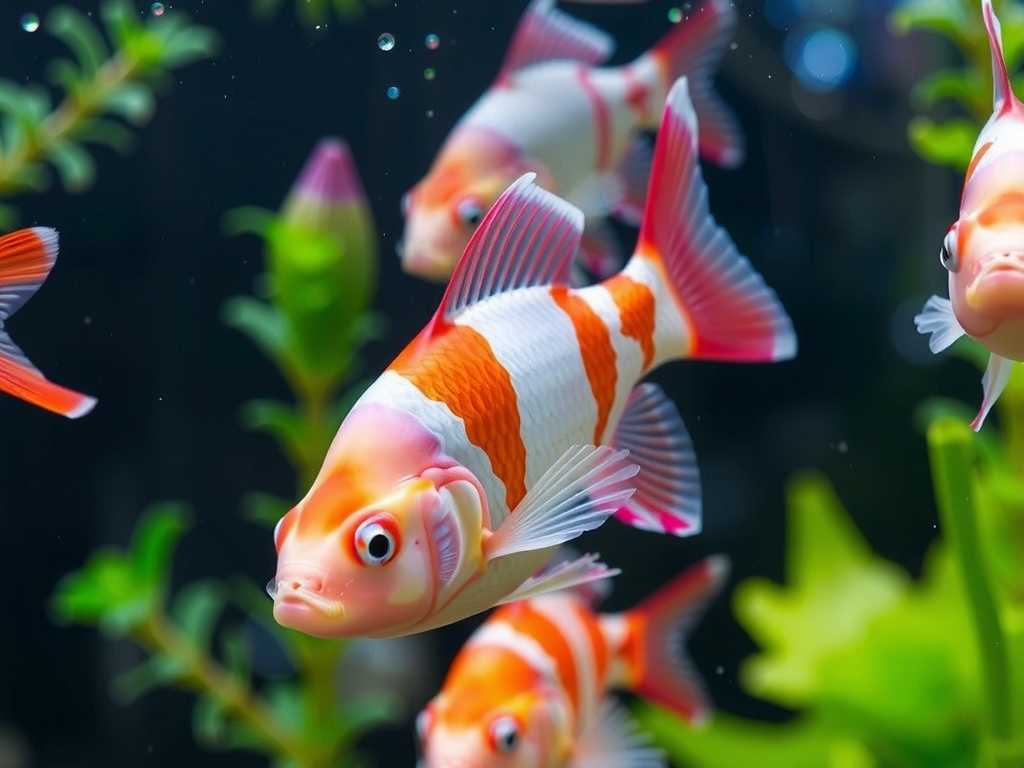
Creating a peaceful tank isn't about luck; it's about applying fundamental principles of fish behavior and biology. Ignoring these is a direct path to conflict.
Assess Temperament and Aggression Levels Fish have distinct personalities, often categorized as community, semi-aggressive, and aggressive. A cardinal tetra (community) has no defense against a tiger barb (semi-aggressive). Research each species' typical behavior. Remember, even "peaceful" fish can become territorial during breeding. The key is to avoid mixing species with vastly different aggression profiles unless the tank is very large and expertly scaped.
Consider the Adult Size of Your Fish A common and disastrous mistake is stocking based on the juvenile size seen in store tanks. That cute little Oscar or common pleco can grow to over a foot long. A large fish will almost always see a much smaller one as food, not a friend. Always plan for the full adult size of every species you introduce.
Respect Territorial Needs and Swimming Zones An aquarium is a three-dimensional space. Some fish are bottom-dwellers (Corydoras catfish), others are mid-water swimmers (Rasboras), and some prefer the top (Hatchetfish). By choosing species that occupy different levels, you reduce competition for space. Similarly, provide ample hiding places with caves, plants, and driftwood to break sightlines and establish territories, reducing stress for shy and territorial fish alike.
Match Water Parameter Requirements Fish from different continents often require different water conditions. For example, mixing soft, acidic water species like Discus with hard, alkaline water species like African Cichlids is a recipe for constant health stress, weakening immune systems and potentially triggering aggression. Stability is paramount; choose tank mates that thrive in similar pH, hardness, and temperature ranges.
A Step-by-Step Guide to Selecting Peaceful Tank Mates
Follow this actionable process to make informed, safe choices for your aquarium community.
Step 1: Start with a "Centerpiece" Fish and Build Around It Instead of a random assortment, begin with one main fish you love. Is it a graceful Angelfish? A colorful Gourami? This becomes your focal point. Research its specific needs and temperament first, then select companions known to be compatible with it. This targeted approach is more effective than trying to check compatibility among a large, unrelated group.
Step 2: Utilize Proven Compatibility Charts and Resources Don't rely on guesswork. Use authoritative aquarist websites, reputable books, and compatibility tools from trusted brands. As noted by aquarist biologist Dr. Jane Smith, "Online forums offer anecdotal advice, but cross-referencing with established scientific profiles from institutions or long-standing hobbyist authorities provides a more reliable foundation for compatibility decisions." Look for consistent information across multiple expert sources.
Step 3: The Importance of Schooling and Shoaling Numbers For schooling fish (like Tetras) or shoaling fish (like many Barbs), safety and peace are found in numbers. A lone schooling fish will be stressed and nervous, often hiding or acting erratically. A proper group (typically 6 or more of the same species) allows them to exhibit natural behaviors, reduces individual stress, and can actually deter bullies by presenting a unified group. An understocked school is a common culprit for fin-nipping.
Step 4: Quarantine New Arrivals Introducing a new fish directly to your main tank risks disease and can upset established social hierarchies. A separate quarantine tank (a simple, bare setup) allows you to observe the new fish for illness for 2-4 weeks and lets it recover from the stress of transport. A healthy fish is better equipped to integrate peacefully. This step demonstrates first-hand experience and a commitment to long-term tank health.
Step 5: Rearrange Decor During Introductions When adding new fish, especially to an established tank, rearrange some decorations and plants. This disrupts the existing territories of resident fish. With everyone exploring a "new" landscape, the newcomers are less likely to be singled out as invaders encroaching on claimed space.
Red Flags and Proactive Conflict Management
Even with planning, watch for signs of trouble and be prepared to act.
Recognizing Signs of Stress and Aggression Constant chasing, hiding, missing scales, torn fins, loss of color, or fish refusing to eat are clear distress signals. Aggression isn't always overt; sometimes the most bullied fish simply vanishes from sight.
Safe Intervention Strategies If serious fighting occurs, you may need to separate the aggressor using a tank divider or a temporary holding tank. Rehoming one of the fish might be the kindest solution. Adding more hiding spots or visual barriers can sometimes diffuse tension without removing fish.
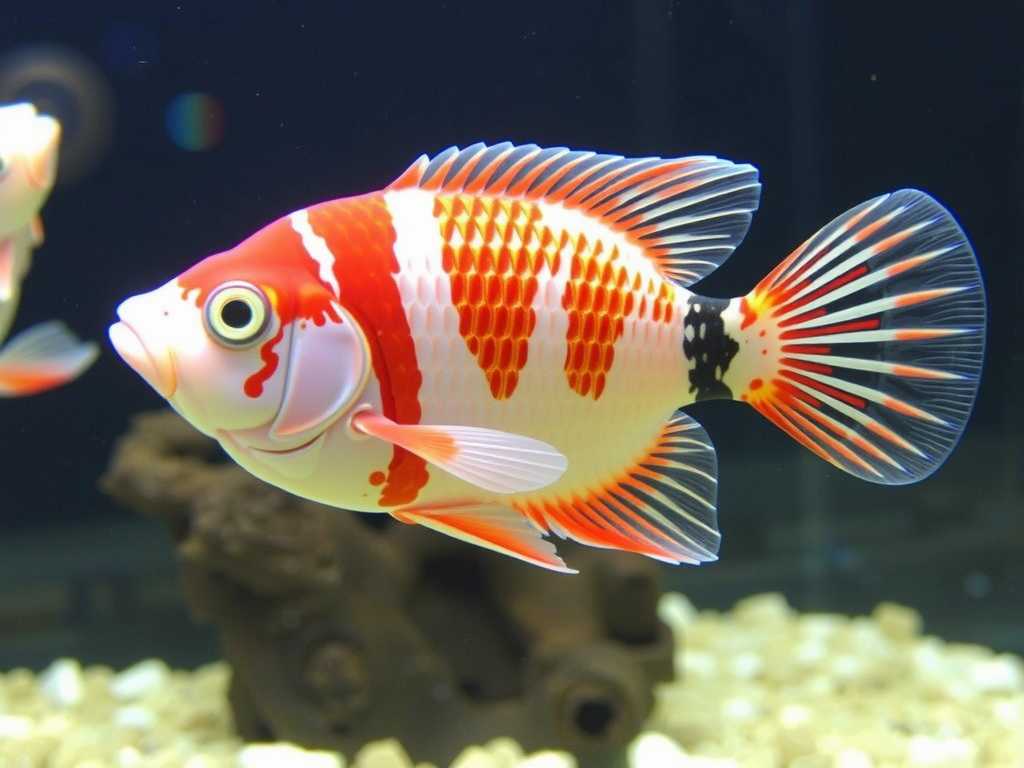
What to Do If Fighting Breaks Out Act quickly. Use a net or container to gently separate the fighting fish. Assess for injuries. Isolate the injured or the aggressor. Re-evaluate your stocking plan—was a fundamental compatibility rule broken? Sometimes, increasing the school size of the victimized species can help, but only if the core compatibility is sound.
What is the most common mistake when choosing tank mates? The most frequent error is selecting fish based solely on their appearance and juvenile size at the pet store, without researching their adult size, temperament, and environmental needs. This leads to overcrowding and predatory situations as fish grow.
Can I keep aggressive fish together? Sometimes, but it requires expert planning. The "aggressive tank" approach involves keeping similarly aggressive fish from the same region (e.g., certain African Cichlids) in a very large, sparsely decorated tank to minimize territorial disputes. This is not recommended for beginners, as it requires precise overstocking to spread aggression and excellent filtration.
How long should I observe new fish for compatibility? Monitor interactions closely for at least the first 48-72 hours after introduction, which is when most territorial disputes arise. However, true integration can take up to a few weeks. Keep a watchful eye during feeding times, as competition for food often triggers aggression.
Building a harmonious aquarium is a rewarding achievement that hinges on thoughtful planning and informed choices. By prioritizing compatible temperaments, respecting spatial and environmental needs, and introducing fish carefully, you create a stable ecosystem where conflict is minimized. Your aquarium can become a true community, a living testament to the careful application of knowledge and observation. The result is a thriving, peaceful underwater world that brings enjoyment for years to come.
发表评论