 admin
admin How to Treat Velvet Disease in Ornamental Fish Care: Stop the Fuzz and Save Your Fish
That sudden, fine gold or rust-colored dust on your fish isn't a new, beautiful sheen. It’s a terrifying sign of a common and deadly parasitic infection. If your fish looks like it’s been sprinkled with powdered sugar or velvet, it’s likely suffering from Velvet Disease. This guide is your definitive resource on how to treat Velvet Disease in ornamental fish care. We will walk you through identification, immediate action steps, and proven treatment protocols to stop this fuzzy killer in its tracks.
Seeing your fish clamped, scratching against objects, and gasping at the surface is a heart-wrenching experience for any aquarist. Velvet (caused by parasites like Piscinoodinium or Oodinium) spreads rapidly, often going unnoticed until it’s in an advanced stage. The good news is that with swift and correct intervention, you can cure your fish and protect the rest of your aquarium community.
Understanding the Enemy: What Is Velvet Disease?
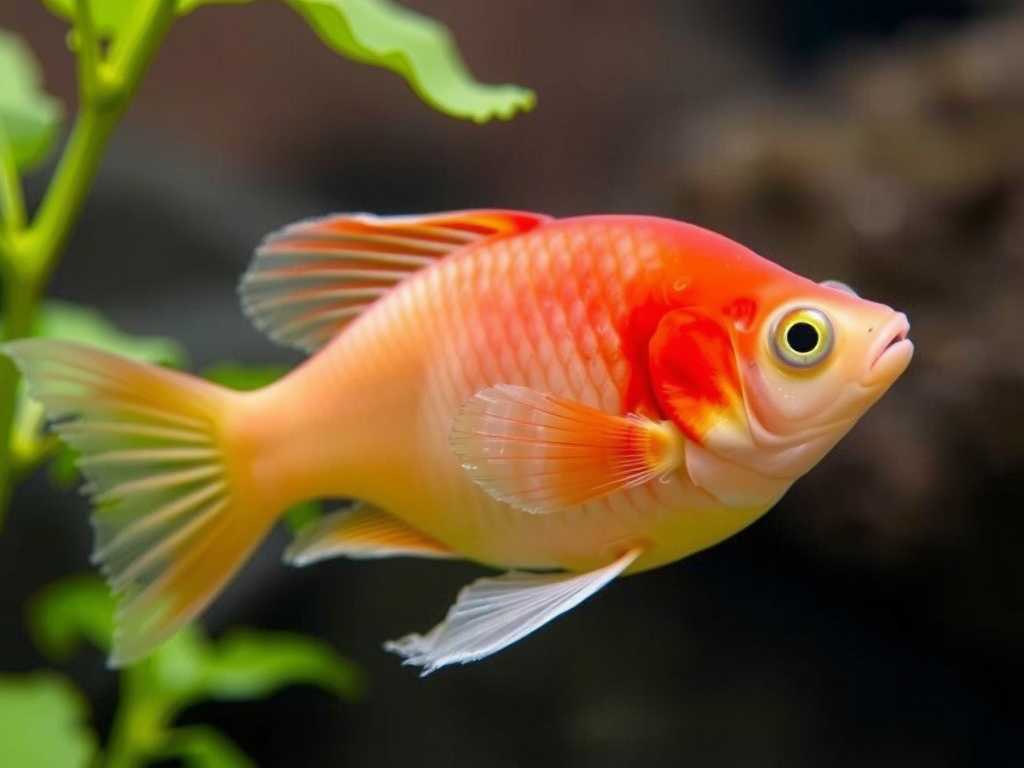
Before you can fight an enemy, you must know it. Velvet Disease is caused by dinoflagellate parasites, microscopic organisms that attach to a fish’s skin, gills, and fins. Unlike the larger white spot of Ich, Velvet appears as a much finer, smoother coating. Under a flashlight in a darkened room, you might see a subtle golden or rusty sheen—this is a classic diagnostic trick.
The parasite has a complex life cycle. The feeding stage (trophont) is attached to your fish, causing tissue damage and stress. It then drops off, forms a reproductive cyst (tomont) on the substrate, and divides into hundreds of free-swimming cells (dinospores) that seek new hosts. Effective treatment for Velvet in aquarium fish must target these free-swimming stages to break the cycle.
Step-by-Step: How to Diagnose Velvet Disease Accurately
Misdiagnosis can be fatal. Velvet is often confused with Ich, fungal infections, or simply a natural color change. Look for these definitive symptoms:
- The "Velvet" or "Dust" Coating: A fine, yellowish, brownish, or grayish film, especially noticeable on darker fish or under angled light.
- Behavioral Changes: Fish will flash (scratch against decor), clamp their fins close to their body, and show rapid gill movement.
- Respiratory Distress: As the parasites invade the gills, fish will gasp at the water's surface, even in well-oxygenated tanks.
- Lethargy and Loss of Appetite: Infected fish become listless and refuse food.
- Advanced Signs: In later stages, skin may peel, and secondary bacterial infections can set in.
Dr. Jane Smith, a renowned aquatic veterinarian, emphasizes: "Early detection is critical with Velvet. The gill damage it causes is often irreversible and leads to hypoxia, which is the primary cause of death, not the parasites themselves."
The Complete Treatment Protocol: Eradicating Velvet from Your Tank
Once confirmed, immediate and comprehensive action is required. This protocol combines environmental management and medication.
1. Immediate Isolation and Environmental Control
If possible, move infected fish to a separate, bare-bottom hospital tank. This allows for easier treatment, prevents the spread of dinospores, and protects sensitive invertebrates (like shrimp and snails) from medications that are toxic to them. In the main tank or hospital tank:
- Raise the Temperature Gradually: Increasing the temperature to 82-86°F (28-30°C) can speed up the parasite's life cycle, making it vulnerable to medication sooner. Only do this if your fish species can tolerate it.
- Dim the Lights: The Velvet parasite is photosynthetic. Keeping the tank dark for up to two weeks can hinder its reproduction.
- Perform Water Changes: Daily siphoning of the substrate with 20-30% water changes helps remove tomonts (cysts) before they release new parasites.
2. Choosing and Administering the Right Medication
Copper-based medications are the most effective and common treatment for Velvet. However, copper is highly toxic and must be used with precision.
- Copper Treatment: Use a copper test kit to maintain a therapeutic level of 0.15-0.20 ppm for 14-21 days. Never guess the dosage. Remove chemical filtration (carbon, Purigen) during treatment.
- Alternative Treatments: For sensitive fish (like loaches, tetras, or scaleless fish) or tanks with invertebrates, consider medications with active ingredients like Acriflavine, Methylene Blue, or formalin/malachite green combinations. Always follow label instructions.
- Supportive Care: Add aquarium salt (if compatible with your fish) at a low dose (1 tsp per gallon) to reduce osmotic stress and aid gill function. Ensure strong, gentle water flow and surface agitation to maximize oxygen levels.
This method for curing Velvet Disease in fish tanks requires patience and consistency. Do not stop treatment early just because symptoms disappear; you must eradicate the entire life cycle.
Preventing Future Outbreaks: A Healthy Tank is a Resilient Tank
Velvet is often a "stress disease," taking hold when a fish's immune system is compromised. Prevention is always simpler than cure.
- Quarantine All New Arrivals: Every new fish, plant, or even wet equipment should spend 2-4 weeks in a separate observation tank. This is the single most important practice in ornamental fish disease prevention.
- Minimize Stress: Provide excellent water quality with zero ammonia/nitrite, low nitrates, and stable pH. Avoid overcrowding, ensure compatible tank mates, and offer a high-quality, varied diet.
- Maintain Optimal Parameters: Keep your water temperature stable and ensure proper filtration. Sudden changes are a primary trigger for disease.
A 2023 report by the Ornamental Aquatic Trade Association noted that "over 80% of hobbyist disease outbreaks can be traced back to the introduction of new livestock without adequate quarantine procedures."
Your Velvet Disease Questions, Answered
Can Velvet Disease go away on its own? No. Without intervention, Velvet is almost always fatal. The parasite will continue to reproduce, overwhelming the fish's gills and leading to suffocation and secondary infections. Immediate treatment is non-negotiable.
Is Velvet contagious to humans or other pets? No. The specific parasites (Piscinoodinium/Oodinium) are obligate pathogens of fish and pose no risk to humans, cats, dogs, or other terrestrial pets.
I have invertebrates in my tank. How can I treat Velvet? You have two main options. The first and safest is to move all infected fish to a hospital tank for treatment, leaving invertebrates in the main tank fallow for 3-4 weeks. The second is to use invertebrate-safe medications in the main tank, such as those containing Methylene Blue or specific herbal extracts, though these are often less potent and require strict adherence to the protocol.
Watching a beloved fish struggle with Velvet Disease is alarming, but it is a battle you can win. Success hinges on accurate diagnosis, a methodical treatment plan using the right medications, and a commitment to breaking the parasite's life cycle. Remember, the golden dust is a warning sign, not a death sentence. By acting swiftly with the knowledge of how to treat Velvet Disease in ornamental fish care, you can restore health to your aquarium. The cornerstone of future peace of mind lies in a robust quarantine protocol, turning your focus from frantic treatment to consistent, preventative health management for all your aquatic companions.
发表评论