 admin
admin How to Breed Fish in Ornamental Fish Care: Success Tips for Hobbyists
You’ve nurtured your aquarium into a thriving underwater world. The water is pristine, the plants are lush, and your fish are vibrant and active. Yet, the idea of taking the next step—successfully breeding your ornamental fish—can feel daunting. Many aquarists face the frustration of seeing potential breeding behaviors that never lead to fry, or worse, eggs that fungus over or are eaten almost immediately. The dream of raising a new generation in your own tank often seems shrouded in mystery and unpredictable challenges.
This comprehensive guide demystifies the process. By understanding the fundamental principles of fish biology and creating a controlled, species-appropriate environment, you can dramatically increase your success rate. Let’s explore the essential steps and expert insights to transform your aquarium from a display into a nursery.
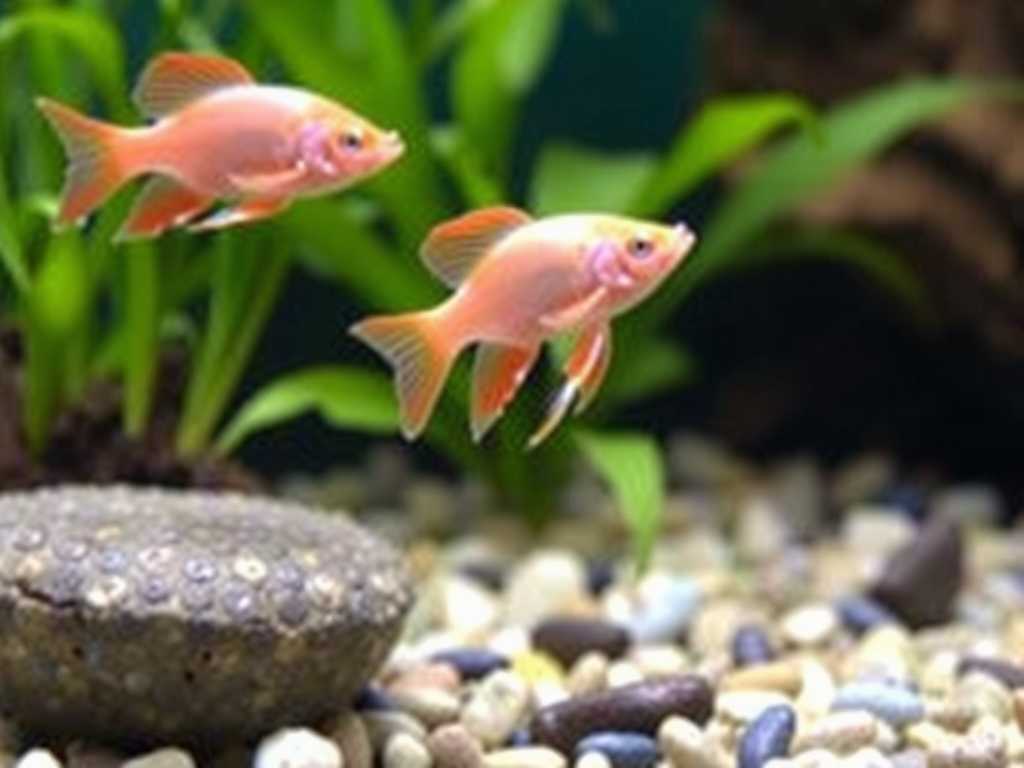
Understanding the Fundamentals of Fish Reproduction
Before you attempt to breed any fish, you must understand its specific reproductive strategy. This knowledge is the single most critical factor for success.
Identifying Egg-Layers vs. Live-Bearers Broadly, ornamental fish fall into two reproductive categories. Live-bearing fish, such as guppies, mollies, and platies, give birth to free-swimming fry. They are often recommended for beginners due to their relative ease. Egg-layers, which include the vast majority of species like tetras, cichlids, and catfish, deposit eggs that must be fertilized and hatched externally. This process requires more precise conditions.
Triggering Spawning Behavior Fish don’t breed simply because they are in a tank together. In the wild, spawning is triggered by specific environmental cues that signal optimal conditions for offspring survival. As noted by aquatic biologist Dr. Elena Rodriguez, "Replicating these natural triggers—like seasonal rain, temperature shifts, or changes in food availability—is the key to convincing fish that it's safe to reproduce." Common triggers include gradual water changes with slightly cooler, softer water to simulate rains, increased protein-rich foods, and adjusted lighting cycles.
Creating the Optimal Breeding Environment
A standard community tank is rarely suitable for breeding. Specialized setups are usually necessary.
The Breeding Tank Setup A dedicated breeding aquarium, typically 10 to 20 gallons, is essential. It allows for complete environmental control and protects eggs and fry from predators—including the parents. This tank should be sparsely decorated, often with just a heater, a gentle sponge filter (to avoid sucking in tiny fry), and the appropriate breeding medium. Bare-bottom tanks are popular for easy cleaning and monitoring of eggs.
Water Parameters Are Paramount General hardness (GH), carbonate hardness (KH), pH, and temperature must be meticulously matched to the target species' needs. For example, many soft water tetras from South America require acidic (pH 6.0-6.5), very soft water to trigger spawning and for their eggs to develop properly. Always research the exact requirements for your chosen species. Stability is just as crucial as the specific numbers; fluctuations can cause spawning to abort or eggs to fail.
Selecting and Conditioning Your Breeding Stock
Success starts with healthy, mature fish.
Choosing Healthy Breeders Select fish that are active, display bright colors, and have no signs of disease or deformity. Look for fish that already show signs of sexual dimorphism—visible differences between males and females, such as larger size or more vibrant coloration in males. It’s best to start with a group of young fish and allow them to pair off naturally, as forcing incompatible pairs often leads to aggression and failure.
The Conditioning Phase For 1-2 weeks prior to introducing them to the breeding tank, condition your potential breeders separately with a high-quality, varied diet. Feed them small amounts of live or frozen foods like brine shrimp, bloodworms, or daphnia several times a day. This mimics the period of abundance that precedes spawning in nature, bringing the females into prime breeding condition with well-developed eggs and encouraging courtship behavior in males.
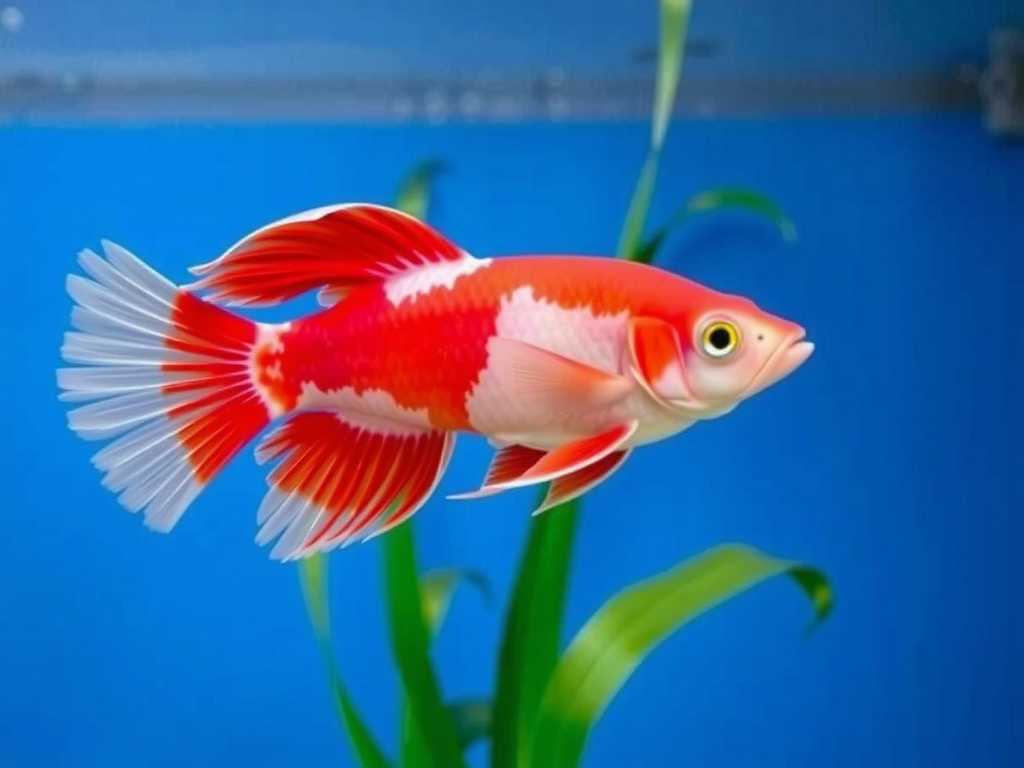
Essential Breeding Equipment and Techniques
The right tools simplify the process.
Spawning Mops, Cones, and Substrates Different fish have different egg-depositing preferences. Egg-scatterers like danios often require a layer of marbles or a spawning mop on the tank bottom to hide eggs from the parents. Egg-depositors like angelfish prefer vertical surfaces, such as a slate or a broad leaf. Cave-spawners like some cichlids need flower pots or coconut shells. Providing the correct medium is a non-negotiable step.
The Role of Tank Dividers and Fry Savers For live-bearers or aggressive species, a tank divider can allow the female to give birth safely away from the male. After birth, moving the female and leaving the fry in a protected "fry saver" box within the main tank can prevent cannibalism while ensuring the fry have access to the same stable water conditions.
The Spawning Event and Post-Spawning Care
Your preparation culminates here.
Recognizing and Managing Spawning Courtship rituals can be intense. You may see chasing, fin-flaring, or vibrant color displays. For egg-layers, after spawning occurs, the most critical action is often to immediately remove the parents to prevent them from eating the eggs. In some cichlid species, however, parents may be excellent caregivers. Know your species' behavior.
Caring for Eggs and Hatching Fry Keep the breeding tank dimly lit, as many fish eggs are light-sensitive. Add a few drops of methylene blue or use an alder cone to gently inhibit fungal growth on the eggs. Once the fry hatch and absorb their yolk sacs (usually within 24-72 hours), they will need their first food.
Raising Fry to Adulthood
This is the most demanding and rewarding phase.
First Foods for Fry Newly hatched fry are microscopic. Their first food must be equally tiny. Infusoria (microscopic organisms cultured from vegetable matter), commercially prepared liquid fry food, or freshly hatched baby brine shrimp are the gold standards. According to a 2023 report by the Ornamental Aquatic Trade Association, fry survival rates can increase by over 300% when fed live baby brine shrimp compared to powdered foods alone, due to their superior nutritional profile and movement triggering feeding responses.
Water Quality and Growth Fry are extremely sensitive to poor water quality, but large water changes can be stressful. Perform small, daily water changes (10-15%) using water matched perfectly in temperature and parameters. As they grow, you must separate them by size to prevent larger fry from outcompeting or eating smaller siblings. Gradually transition them to larger foods like crushed flake and micro-worms.
Common Challenges and How to Overcome Them
Even with perfect preparation, challenges arise.
Egg Fungus and Infertility Fungal growth on eggs is usually caused by infertile eggs or poor water conditions. Removing infertile (turning white) eggs quickly with tweezers can help prevent the fungus from spreading to healthy ones. Ensuring optimal water quality is the best prevention.
Lack of Spawning Interest If conditioned fish show no interest, re-evaluate the triggers. Slightly adjust the temperature, perform a larger cool water change, or try a different diet. Sometimes, simply giving them more privacy or adjusting the lighting period can make the difference.
Fry Not Surviving High fry mortality is often linked to starvation or water quality. Ensure your first food culture is ready and abundant before the fry hatch. Test the water daily and avoid overfeeding, which pollutes the tank.
Frequently Asked Questions
How long does it take for fish eggs to hatch? The hatching time varies dramatically by species and water temperature. It can range from 24 hours for some danios to 5-7 days for certain killifish. Warmer water typically accelerates development.
Can I breed fish in a community tank? While some live-bearers might successfully breed in a densely planted community tank, survival rates are very low. For egg-layers, breeding in a community tank is almost always unsuccessful due to predation on eggs and fry. A dedicated setup is strongly recommended.
What is the easiest ornamental fish to breed for a beginner? Live-bearing fish like guppies are the classic choice due to their hardiness and frequent breeding. Among egg-layers, convict cichlids or certain species of danios are considered excellent starter projects, as they have clear breeding behaviors and are relatively forgiving of minor parameter fluctuations.
Breeding ornamental fish is a profound step in the aquarium hobby, offering unparalleled insight into the life cycle of your aquatic pets. It requires patience, observation, and a willingness to learn from both successes and setbacks. By methodically setting the stage—understanding your fish's natural history, conditioning breeders, and meticulously managing the environment for the vulnerable eggs and fry—you turn chance into a repeatable process. Start with a robust species, apply these foundational tips, and you'll soon experience the unique reward of watching a new generation thrive under your care.
发表评论