 admin
admin How to Identify Sick Fish in Ornamental Fish Care: Early Signs and Proactive Measures
Nothing is more disheartening for an aquarium enthusiast than noticing a beloved fish acting strangely. That vibrant community tank, once a source of peace and beauty, can quickly become a source of worry. The key to successful ornamental fish care lies not just in reaction, but in proactive observation. Catching illness in its earliest stages dramatically increases the chances of a full recovery and prevents potential outbreaks. This guide will equip you with the essential knowledge on how to identify sick fish by deciphering the subtle early warnings they display.
The challenge is that fish are experts at hiding weakness—a survival instinct in the wild. By the time symptoms are blatantly obvious, the disease is often advanced. Therefore, your most powerful tool is daily, mindful observation. Think of it as a quick wellness check during feeding time.
Mastering the Art of Daily Observation
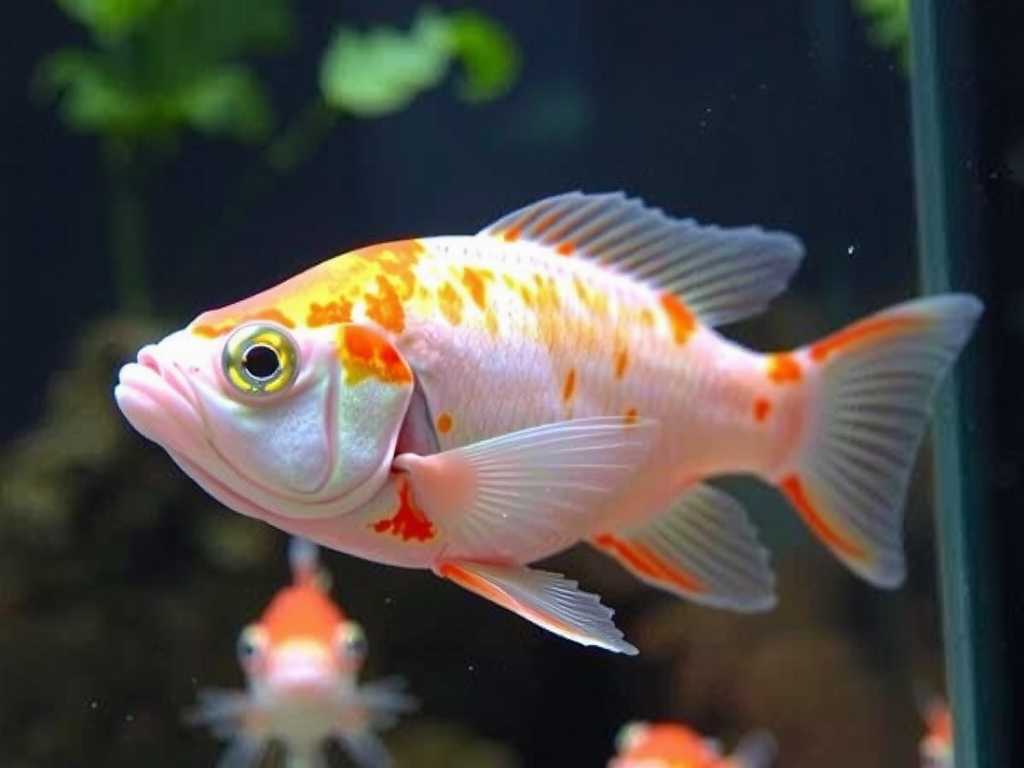
Effective observation is systematic. Spend a few minutes each day watching your aquarium, not just glancing at it. The best time is during feeding, as this activity stimulates all fish and makes deviations in behavior most apparent. Develop a mental checklist: Are all fish present and accounted for? Is their appetite normal? Is their swimming behavior typical?
Key Early Warning Signs: Behavior Changes
Behavioral shifts are often the very first indicators of distress. A fish that is “not itself” is sending a clear signal.
- Lethargy and Hiding: A once-active fish spending excessive time hiding behind decorations, nestled in plants, or lying on the bottom substrate is a major red flag. While some species are naturally shy, a sudden change in an individual’s pattern is significant.
- Loss of Appetite: Refusing food for more than a day or two is a universal sign of illness in ornamental fish care. Watch to see if a fish shows interest but doesn’t eat, or ignores food entirely.
- Erratic Swimming Patterns: This includes listing to one side, swimming in circles, difficulty maintaining buoyancy (sinking or floating uncontrollably), darting suddenly, or rubbing against objects (flashing). As noted by aquatic veterinarian Dr. Jessie Sanders, “Flashing is a classic sign of skin or gill irritation, often the first clue to parasitic issues.”
- Gasping at the Surface: If a fish is consistently lingering at the water’s surface, laboring to breathe with rapid gill movements, it signals a critical problem with water quality (often low oxygen or high toxins) or gill disease.
Visual Clues: Physical Symptoms to Scrutinize
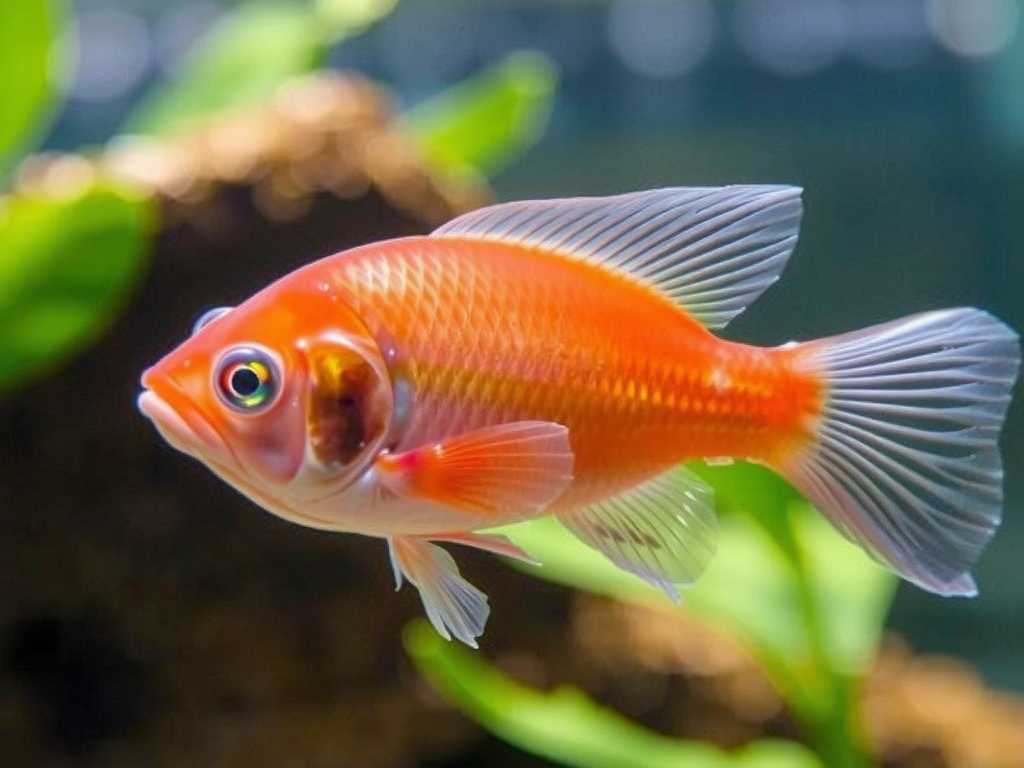
After noting behavior, look closer. Physical changes confirm and help diagnose the problem.
- Changes in Coloration: Fading, darkening, or the appearance of unusual streaks/spots can indicate stress, bacterial infection, or parasites. Some fish naturally change color, but stress-related paling is common.
- Fins and Tail Condition: Clamped fins (held tight against the body), frayed, ragged, or receding fins are symptoms of fin rot, physical damage, or bullying. Look for white edges or red streaks, which indicate infection.
- Visible Growths, Spots, or Film: White spots the size of grains of salt (Ich), cotton-like tufts (fungus), velvety dusting, or unexplained lumps require immediate attention.
- Abdominal Changes: A severely swollen belly could indicate dropsy (often signaled by pineconing scales), internal infection, or constipation. A sunken or emaciated appearance suggests internal parasites or chronic starvation.
- Eye Abnormalities: Cloudy, bulging (pop-eye), or missing eyes are serious signs of bacterial infection or injury.
The Critical First Step: Immediate Water Testing
Before treating any fish, always test your aquarium water. Poor water quality is the leading cause of stress and disease in home aquariums. A 2021 industry report by the Aquatic Veterinary Association found that over 70% of “sick fish” cases presented to professionals were primarily linked to suboptimal water parameters. Use a reliable liquid test kit to check:
- Ammonia and Nitrite: Must always be 0 ppm. Any detectable level is toxic.
- Nitrate: Should ideally be below 20-40 ppm for most freshwater tanks.
- pH and Hardness: Sudden swings are dangerous. Know the stable baseline for your tank.
- Temperature: Ensure it is stable and appropriate for your species.
Addressing water quality issues alone can resolve many early-stage health problems.
Creating a Quarantine Protocol
One of the most effective practices in advanced ornamental fish care is the use of a quarantine tank. This separate, simple hospital tank allows you to:
- Observe new fish for signs of illness before introducing them to your main display.
- Treat sick fish without stressing healthy tank mates or damaging your main tank’s biological filter with medications.
- Provide a quiet, low-stress environment for recovery.
Having a small, pre-filtered quarantine tank ready is a hallmark of responsible fish keeping.
When and How to Seek Further Help
Once you’ve observed symptoms and tested your water, you can make an informed decision. For common issues like Ich or minor fin rot, targeted treatments in a quarantine tank are often successful. However, for unexplained wasting, severe bloating, or systemic infections, consulting resources like reputable aquarium forums with photo uploads, or better yet, an aquatic veterinarian, can be lifesaving. Accurate diagnosis is crucial for effective treatment.
FAQs: Addressing Common Concerns
Q: My fish has one white spot. Is it Ich? A: A single spot is often not Ich, which typically presents as dozens of uniform salt-like grains. It could be an injury or debris. Monitor closely for 24 hours. If more spots appear rapidly, it’s likely Ich and treatment should begin in a quarantine tank.
Q: I’ve treated the water, but my fish isn’t getting better. What next? A: First, re-test your water to ensure parameters are now perfect. If symptoms persist, the diagnosis may be incorrect, or the fish may have a secondary infection. Consider a broad-spectrum antibacterial treatment in quarantine, or seek expert advice. Recovery takes time, so ensure optimal, clean water in the hospital tank.
Q: How can I prevent illnesses from starting in the first place? A: Prevention is the cornerstone of healthy fish identification. Maintain consistent weekly water changes (10-25%), avoid overfeeding, quarantine all new arrivals for 3-4 weeks, and do not overcrowd your tank. A stable, clean environment builds resilient fish.
Successfully keeping ornamental fish is a rewarding journey built on attentive care. By learning to interpret the early signs of sick fish—those initial behavioral quirks and subtle physical changes—you transition from a passive owner to an active caregiver. Remember, your daily observation is the first and most important line of defense. Coupled with pristine water quality and a prepared quarantine system, you create an environment where your aquatic companions can truly thrive.
发表评论