 admin
admin How to Choose Saltwater Ornamental Fish for Nano Reef Tanks
Selecting the right saltwater ornamental fish for a nano reef tank is one of the most exciting yet daunting tasks for any aquarist. The allure of a vibrant, miniature ocean ecosystem is powerful, but the fear of making a wrong choice that leads to stress, disease, or a crashed tank is very real. With limited water volume, stability is fragile, and every inhabitant plays a critical role. This guide is designed to navigate you through the essential considerations, ensuring your selections lead to a thriving, harmonious nano reef, not a problematic one.
Understanding the Nano Reef Environment
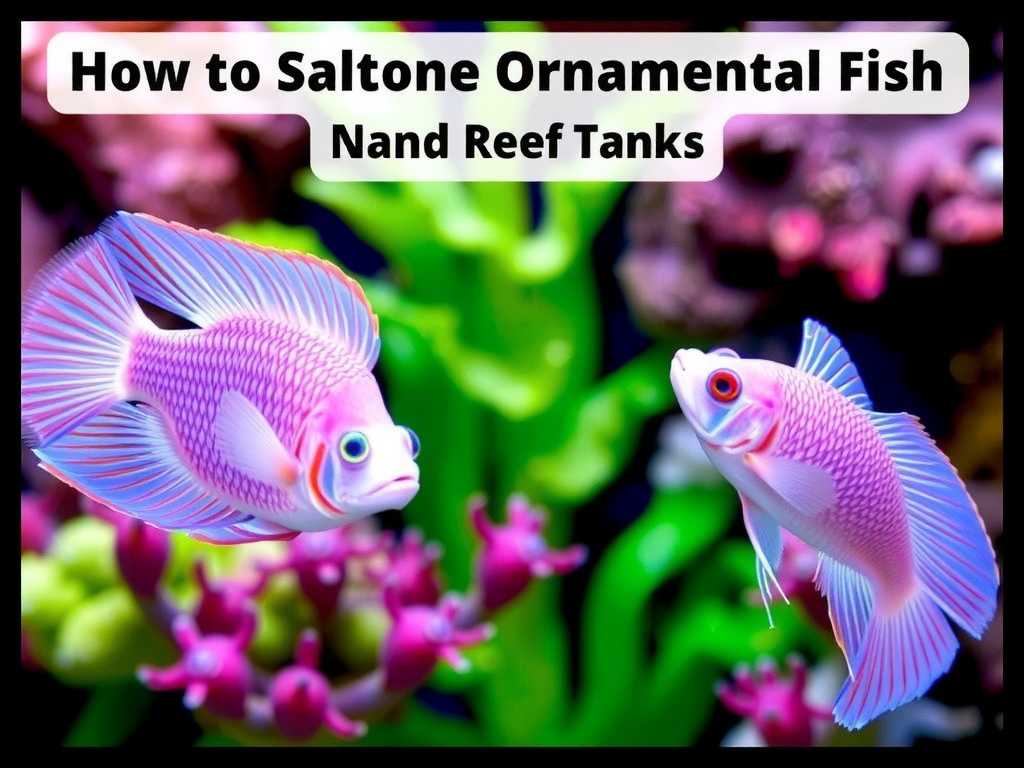
First, it’s crucial to internalize what defines a "nano" tank. Typically, these are aquariums under 30 gallons, with many popular models sitting between 10 and 20 gallons. This small volume means water parameters like temperature, salinity, and pH can fluctuate rapidly. Waste products from fish build up quicker. There is less physical space for territories and hiding spots. Therefore, the process of choosing fish for a nano tank demands a mindset shift: prioritize compatibility, bioload, and behavior over sheer desire.
The 5 Golden Rules for Nano Reef Fish Selection
Follow these foundational principles to build a successful community.
Rule 1: Prioritize Personality and Peacefulness Aggression is magnified in small spaces. Your primary goal is to choose inherently peaceful saltwater fish. Avoid known bullies, even in larger species that are sold small. Look for fish described as "reef-safe," "docile," or "community-friendly." A single aggressive fish can harass all others to the point of starvation or fatal stress.
Rule 2: The One-Inch-Per-Gallon Myth is Dead For saltwater systems, especially reefs, a more conservative rule is essential. A common guideline is one small fish per 10 gallons for a nano tank. For a 20-gallon tank, this means 2-3 small fish maximum. Always consider the adult size, not the juvenile size at purchase. Overstocking is the fastest route to poor water quality and algae outbreaks.
Rule 3: Mind the Bioload Bioload refers to the waste a fish produces. Some fish are messier eaters or have higher metabolisms. For example, while clownfish are a classic choice, they can be surprisingly messy. Pairing a clownfish with a delicate, pristine-water-loving fish like a Catalina Goby might create imbalance. Research the dietary and waste output of each species.
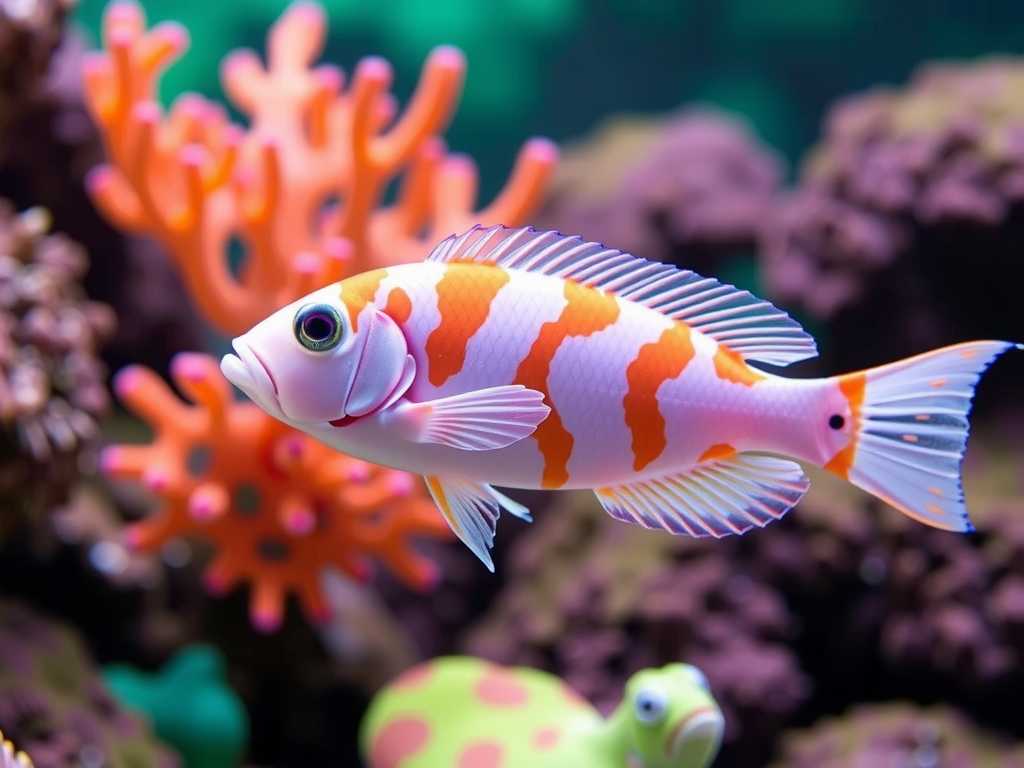
Rule 4: Create a Functional Hierarchy Think about the tank's zones: bottom, mid-water, and top. Choose fish that naturally occupy different areas to reduce competition. A bottom-dwelling goby or blenny, a mid-water clownfish or cardinalfish, and a top-level firefish create a balanced use of space. Avoid multiple fish that claim the same cave or swimming lane.
Rule 5: Quarantine is Non-Negotiable Introducing disease into a nano tank can be catastrophic. A proper 4-6 week quarantine in a separate tank allows you to observe, treat if necessary, and ensure new fish are healthy and eating before they enter your display. This is the single most effective practice for long-term success, as emphasized by marine aquaculture experts like Dr. Tim Miller-Morgan.
Top Recommended Saltwater Ornamental Fish for Nano Tanks
Here are some of the most suitable and popular choices, known for their adaptability and generally peaceful nature.
The Classic Nano Duo: Clownfish and Gobies A pair of Ocellaris or Percula Clownfish (Amphiprion ocellaris/percula) is the cornerstone of many nano reefs. They host in anemones or corals, add vibrant activity, and have manageable size. Pair them with a single goby, such as the iconic Yellow Watchman Goby (Cryptocentrus cinctus), which spends its time perched at its burrow entrance. This combination utilizes different tank zones effectively.
The Peaceful School: Cardinalfish Pajama Cardinalfish (Sphaeramia nematoptera) or Banggai Cardinalfish (Pterapogon kauderni) are excellent, slow-moving fish. They are not aggressive, have a low bioload, and their unique appearance adds great interest. They tend to hover in one area, making them predictable and calm tankmates.
The Character-Filled Bottom Dwellers: Blennies and Dartfish For personality, few beat blennies. The Tailspot Blenny (Ecsenius stigmatura) or Midas Blenny (Ecsenius midas) are algae grazers with comical behaviors. For the upper water column, the Firefish Goby (Nemateleotris magnifica) is a slender, beautiful fish that darts to its burrow when startled. It’s crucial to have a well-sealed lid as they are known jumpers.
Fish to Generally Avoid in a Nano Reef
- Tangs/Surgeonfish: Even small species require vast swimming space.
- Most Angelfish and Butterflyfish: They nip at corals and require large territories.
- Large Wrasses (e.g., Six Line Wrasse): Can become territorial and aggressive in confined spaces.
- Groupers or Lionfish: Grow quickly and will eat smaller tankmates.
Acclimation and Long-Term Success
Your responsibility doesn’t end at purchase. Proper acclimation using a slow drip method is vital to reduce shock from differences in water chemistry. Once introduced, observe interactions closely for the first 48 hours. Ensure your filtration (often a quality protein skimmer and live rock) is robust enough for your bioload. Consistent weekly water changes of 10-20% are the lifeblood of a nano reef, removing nitrates and replenishing trace elements.
How many fish can I really keep in my 15-gallon nano tank? The safe maximum is typically 2-3 very small fish (under 3 inches adult size). It's always better to understock. Focus on creating a captivating environment with corals and invertebrates, which add color and movement without the high bioload of fish.
Can I keep a mandarin dragonet in my nano tank? This is a common pitfall. While beautiful, mandarins (Synchiropus splendidus) require a mature, large tank (often 50+ gallons) teeming with live copepods for constant feeding. In a small, new nano tank, they will slowly starve. They are not suitable for beginners or most nano systems.
What is the best first fish for a new nano reef? A single, hardy, and peaceful fish like a captive-bred clownfish or a chalk bass (Serranus tortugarum) is an ideal pioneer. It allows your tank's biological filtration to adjust to the bioload, and you can observe its health and behavior before adding another carefully chosen companion weeks later.
Building a nano reef tank is a rewarding exercise in precision and patience. Success hinges on making informed, conservative choices that respect the limitations of a small aquatic world. By focusing on peaceful temperament, adult size, and functional roles, you can curate a collection of saltwater ornamental fish that will flourish. Remember, a thriving nano reef is not measured by the number of fish, but by the stability, health, and beauty of its entire interconnected community.
发表评论