 admin
admin How to Choose the Perfect Heater for Your Saltwater Aquarium and Prevent Overheating Disasters
You've invested countless hours and resources into creating a stunning saltwater ecosystem. The vibrant corals are thriving, and your colorful fish are displaying their full glory. But this delicate balance hinges on one critical, often overlooked piece of equipment: the aquarium heater. A sudden malfunction or a poor choice can silently turn your underwater paradise into a devastating scene. Overheating is a silent killer in saltwater tanks, leading to rapid oxygen depletion, stressed livestock, and catastrophic loss. Choosing the right heater isn't just about maintaining temperature; it's about installing a reliable guardian for your aquatic investment. This guide will walk you through every step to select the ideal heater and implement fail-safe strategies to avoid the nightmare of overheating.
Understanding the Stakes: Why Precision Heating is Non-Negotiable
Saltwater organisms, especially corals and sensitive fish like tangs or angelfish, have an exceptionally narrow tolerance for temperature fluctuations. Marine biologist Dr. Samantha Reef notes, "Stability is paramount in reef keeping. A swing of just 2-3 degrees Fahrenheit can induce stress, suppress immune systems, and trigger bleaching events in corals." Your heater is the cornerstone of this stability. An undersized unit will struggle, constantly running and potentially failing early. An oversized heater, however, poses the greater risk—it can heat the water too quickly, causing localized hot spots and dramatically increasing the risk of a cook-out if the thermostat sticks. The goal is consistent, even warmth, mimicking the stable environment of a natural reef.
Step 1: Calculating the Correct Heater Wattage
The foundational rule is to provide 2.5 to 5 watts of heating power per gallon of actual water volume in your display tank. This is your starting point.
- Standard Recommendation: Use 5 watts per gallon for most homes where room temperature may drop significantly below the desired tank temperature (e.g., 78°F).
- Consider Your Environment: If your home is consistently warm, you might lean toward 3 watts per gallon. For cold basements or drafty rooms, use 5 watts.
- The Golden Rule: Split the Wattage. This is your most powerful tactic against overheating. Instead of one 300-watt heater for a 75-gallon tank, use two 150-watt heaters. Place them at opposite ends of the aquarium. This ensures even heat distribution and provides critical redundancy. If one heater fails in the "on" position, its lower wattage will heat the water much more slowly, giving you precious time to intervene before temperatures become lethal.
Step 2: Navigating Heater Types and Technologies
Not all aquarium warmers are created equal. Understanding the pros and cons of each type is crucial for your saltwater setup.
- Submersible Heaters: The most common and reliable type for saltwater tanks. They are fully submersible, often have external temperature controls, and promote good water circulation around the heating element. Look for models with shatter-resistant casing.
- Hang-On-Back (HOB) Heaters: These are partially submerged, with the heating element in the water and the controls hanging on the tank rim. They can be less efficient and more prone to accidental adjustment or splashing damage in a saltwater environment.
- In-Line/Canister Filter Heaters: These are installed in the plumbing of your sump or canister filter. They are excellent for keeping equipment out of the display tank, provide superb, even heating as water flows over them, and are very safe. They represent a premium, highly effective choice for avoiding hot spots.
- Titanium Heaters: Known for incredible durability and corrosion resistance, titanium heaters are ideal for saltwater aquariums. They often pair with a separate digital controller, offering superior accuracy and safety features.
Step 3: Essential Features for Safety and Control
When selecting a device to warm your saltwater tank, prioritize these features:
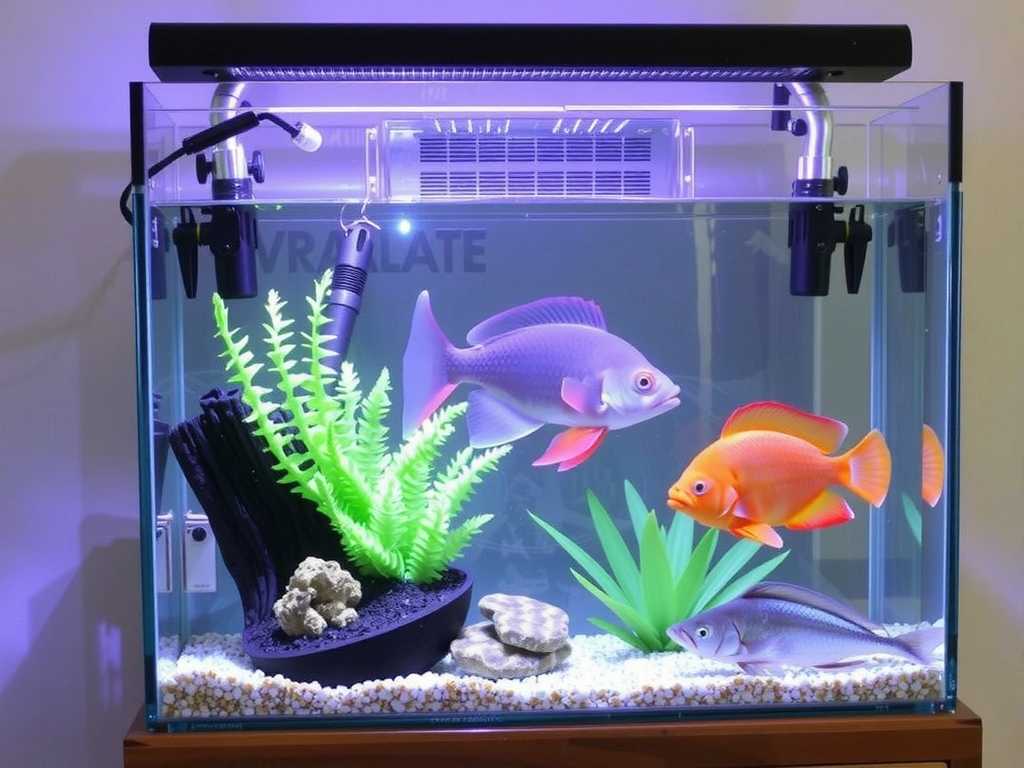
- External, Adjustable Thermostat: A must-have. It allows you to set and adjust the temperature without getting your hands wet or moving the heater. Look for clear, precise dials or digital displays.
- Auto-Shutoff: A quality heater should have a built-in safety shutoff if it becomes partially exposed to air, preventing it from burning out or cracking.
- Indicator Light: A small light that shows when the heater is actively warming helps with quick visual checks.
- Pair with a Digital Thermometer: Never rely solely on the heater's built-in thermostat. Use a separate, high-quality digital thermometer with a probe placed away from the heater and pump intakes. This provides an independent verification of your water temperature.
- Invest in a Dedicated Temperature Controller: This is the ultimate fail-safe for preventing tank overheating. You plug your heater into the controller, and a separate probe monitors the tank. If the temperature rises above your set maximum, the controller cuts power to the heater entirely. It’s an inexpensive insurance policy against thermostat failure.
Implementing Your Anti-Overheating Protocol
Proper installation and routine are as important as the equipment itself.
- Placement is Key: Position your heater(s) near a water flow source, such as next to a filter outlet or a circulation pump. This ensures the heated water is immediately circulated throughout the tank, preventing localized overheating. Never let it touch substrate, decorations, or the tank glass.
- Regular Maintenance: Every month, during water changes, wipe down the heater with a soft cloth to remove algae and salt creep, which can insulate it and cause erratic operation. Always unplug it for at least 30 minutes before removing it from the water to allow it to cool and avoid thermal shock.
- The Weekly Check: Make it a habit to glance at your digital thermometer and verify the heater's indicator light is functioning normally. Consistency is your best defense.
Frequently Asked Questions
Is it better to have one powerful heater or two smaller ones? Always opt for two smaller heaters over a single large one. This practice, known as splitting wattage, ensures even heat distribution and provides vital redundancy. If one heater malfunctions, the other can maintain basic warmth, and if one sticks "on," it will overheat the tank much more slowly, giving you time to act.
What should I do immediately if my tank is overheating? First, unplug the suspected heater. Then, initiate immediate cooling measures: float sealed bags of ice or frozen water bottles in the sump or tank. Gently agitate the water surface to maximize gas exchange, as warm water holds less oxygen. Do not perform a large water change with cold water, as the rapid temperature shift can shock your livestock. Focus on slow, steady cooling.
How often should I replace my aquarium heater? Even reliable aquarium warmers have a finite lifespan. Proactive replacement every 2-3 years is a wise practice, as internal components like thermostats can degrade over time. Consider it a routine maintenance cost, much like changing pump impellers, to prevent unpredictable failure.
Selecting the right heating system for your marine aquarium is a deliberate process that balances accurate sizing, smart technology choices, and unwavering safety protocols. By calculating your wattage needs precisely, opting for the safety of multiple units, and integrating independent monitoring with a digital thermometer and controller, you build layers of protection around your aquatic ecosystem. This approach transforms your heater from a potential point of failure into a pillar of stable, trustworthy environment control, allowing you to enjoy the beauty of your saltwater tank with confidence and peace of mind.
发表评论